New US Senate Bill Tackles Money Laundering via DeFi, Crypto ATMs
A bipartisan group of four senators today (Wednesday) introduced the Crypto-Asset National Security Enhancement and Enforcement (CANSEE) Bill to the United States Senate. In a statement, they explained that the goal of t...
Archive context
Older archive item. Useful for background and entity history, but not a fresh market-moving signal.

A bipartisan group of four senators today (Wednesday) introduced the Crypto-Asset National Security Enhancement and Enforcement (CANSEE) Bill to the United States Senate. In a statement, they explained that the goal of the bill is to subject decentralized finance (DeFi) services to the same anti-money laundering (AML) and economic sanctions compliance obligations imposed on banks, securities brokerages and even centralized crypto exchanges, such as Binance and Coinbase.
New Bill to End 'Special Treatment' for DeFi
Specifically, the bill was sponsored by Democratic Senator Jack Reed, with support from fellow Democrat, Mark Warner and Republican lawmakers Mike Rounds and Mitt Romney. In addition to DeFi, the new bill is seeking to empower public authorities under the US Treasury Department to fight money laundering threats as these agencies are currently limited to transactions conducted under the traditional banking system.
Furthermore, the new bill proposes that crypto ‘kiosks’ or Automated Teller Machine operators must verify the identities of parties that engage in crypto exchange activities on their platform in order to ‘improve traceability of funds’.
Crypto ATM & decentralized finance (DeFi) services are being used as tools by money launderers & sanction evaders. To reduce nat’l & economic security risks, I’m joining colleagues to intro CANSEE Act to bolster @USTreasury authorities & protect financial system integrity. pic.twitter.com/DduQRqvd5u
— Senator Jack Reed (@SenJackReed) July 19, 2023DeFi platforms are blockchain-based applications such as decentralized exchanges that enable users to engage in peer-to-peer financial transactions. However, the legislators stated that criminal actors are deploying the anonymity provided by DeFi platforms and gaps in United States’ AML regulatory framework to launder criminal proceeds and fund more crime.
“These requirements will close an attractive avenue for money laundering that has been routinely exploited over the past several months by the North Korean government, Chinese chemicals manufacturers, Mexican drug cartels, cybercriminals, ransomware attackers, scammers, and a host of other bad actors,” the legislators explained.
Through the CANSEE Bill, the lawmakers want the ‘special treatment for DeFi’ to end. The proposed legislation includes provisions that will require DeFi platforms to “meet basic obligations, most notably to maintain AML programs, conduct due diligence on their customers, and report suspicious transactions to FinCEN,” the legislators added.
“The legislation also makes clear that if a sanctioned person, like a Russian oligarch, uses a DeFi service to evade U.S. sanctions, then anyone who controls that project will be liable for facilitating that violation,” they further elaborated. “If nobody controls a DeFi service, then — as a backstop — anyone who invests more than $25 million in developing the project will be responsible for these obligations.”
Finance Magnatesconducted a check that shows the bill, principally sponsored by Reed, has been listed as ‘introduced’ on Congress.Gov, the official website of the United States Congress. However, the full text has not been uploaded.
“A bill to clarify the applicability of sanctions and anti-money laundering compliance obligations to United States persons in the decentralized finance technology sector and virtual currency kiosk operators, and for other purposes,” the website’s description of the bill reads.
New Bill Draws Criticism
However, the new bill has generated some criticism on social media. A DeFi advocacy group, DeFi Education Fund, reacting to provisions of the bill noted that there are "far better options” to fight abuse of DeFi platforms.
1/ While we are supportive of effective measures to combat the illicit use of DeFi, the bill introduced today essentially says “centralize, shut down, or get out of the United States.”https://t.co/qnD1iBoyzT
— DeFi Education Fund (@fund_defi) July 19, 2023Also reacting, Brandon Ferrick, the Co-Founder of B+J Studios, a platform that develops blockchain-based solutions for mainstream consumer and institutional-grade use, criticized the provision that seeks to hold investors holding over $25 million in a DeFi project accountable for violating sanctions.
The Crypto-Asset National Security Enhancement and Enforcement Act of 2023 defines "Control" as including the power, directly or indirectly, to direct a change in the code or other terms governing the protocol, through ownership of tokens, admin privileges, or other abilities. pic.twitter.com/tULgel1G6s
— Mr. Lawyer 🧁💦🍭🧊 (@BrandonFerrick) July 19, 2023 This article was written by Solomon Oladipupo at www.financemagnates.com.Why this matters
This blockchain story adds another data point to the current market tape and is useful when read alongside nearby source coverage.
Original source
Read on Finance MagnatesRelated market context
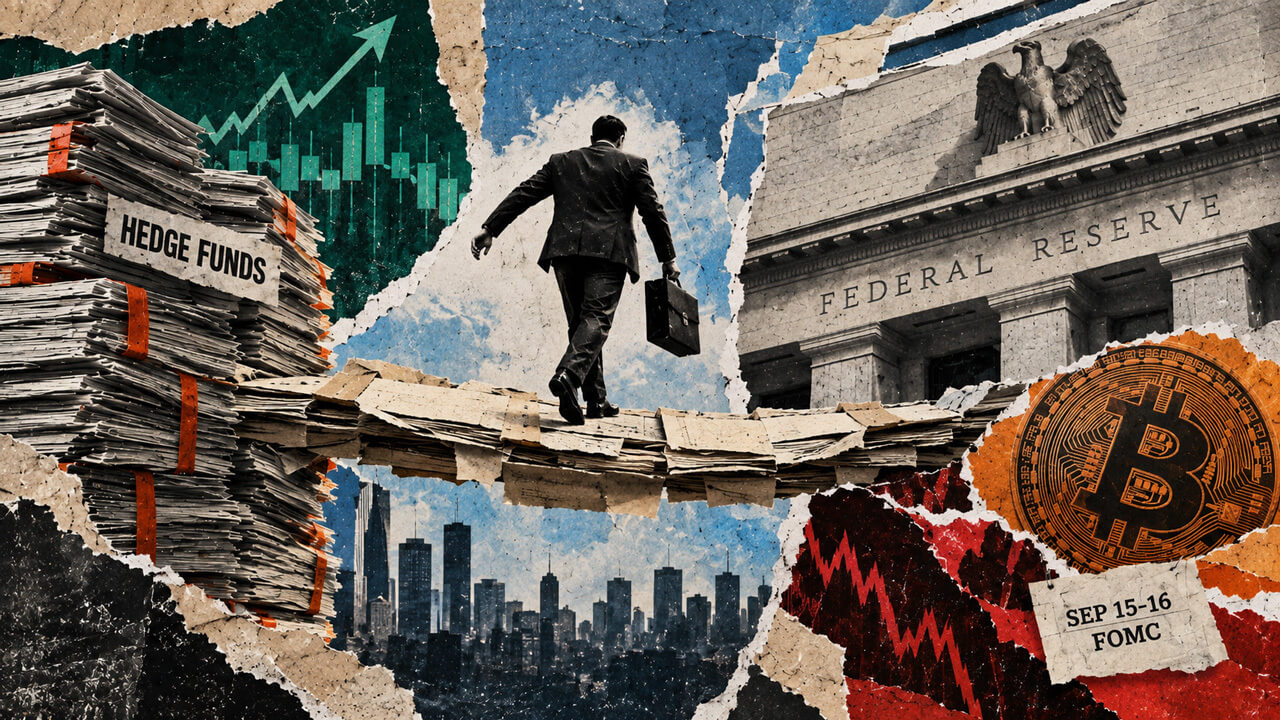
Fed data shows hedge funds added $400 billion before Bitcoin’s September rate test
Newly released Federal Reserve data show domestic hedge funds expanded their gross balance sheets during the second quarter, month...
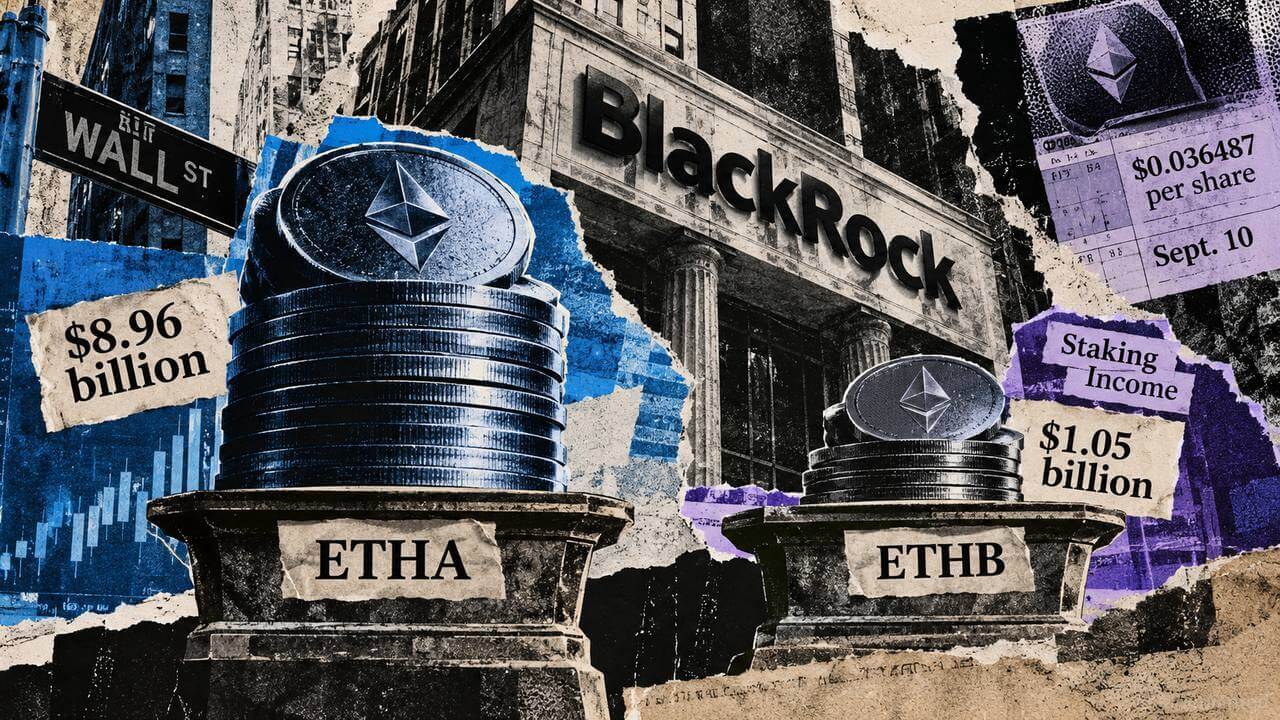
BlackRock’s staking Ethereum ETF pays yield but investors still prefer its $9 billion ETHA fund
Staking was supposed to strengthen Ethereum exchange-traded funds (ETFs), but BlackRock’s early results show investors still favor...

Centrifuge to release RWA report on tokenized money market funds’ structural differences
The report highlights the critical need for improved composability and regulatory clarity to fully integrate tokenized funds into...

DeFi stalwart Balancer mulls shutdown after $130M hack
Once a household name in the DeFi sector, decentralized exchange Balancer is considering calling it quits. In a proposal posted to...
DOJ Seeks Forfeiture of $61 Million in Crypto Tied to Iranian Oil Sales Allegedly Laundered Through Binance
The U.S. Attorney’s Office for the Southern District of New York filed a civil forfeiture complaint Monday against approximately $...
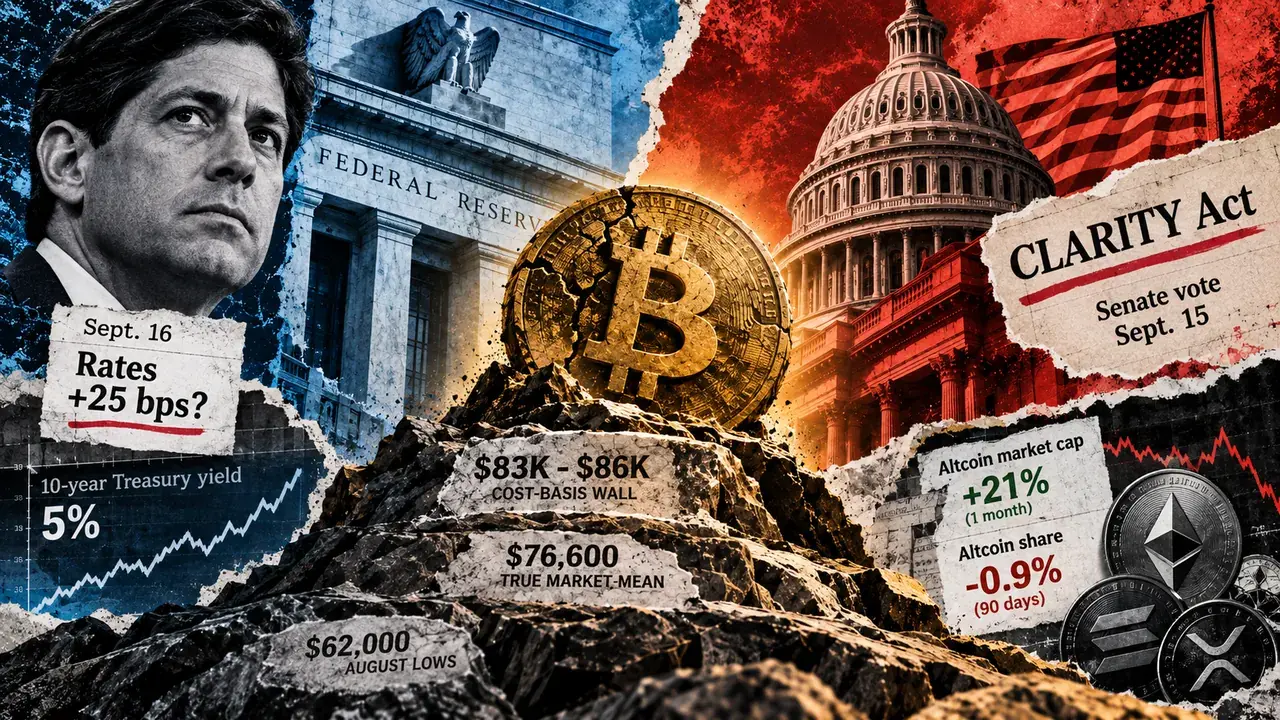
Altcoins gained 21% and still lost ground to Bitcoin. What would finally turn the tables?
Glassnode reported that altcoin market capitalization climbed 21% over the past month, while altcoins' share of the combined Bitco...