Nigeria Passes ‘National Blockchain Policy,’ Industry Player Says Central Bank Unlikely to Lift Crypto Ban
The Nigerian Federal government said on May 3 it had passed what it called the “national blockchain policy.” The Nigerian minister of communications and digital economy, Isa Pantami, said the new policy is a product of c...
Archive context
Older archive item. Useful for background and entity history, but not a fresh market-moving signal.

The Nigerian Federal government said on May 3 it had passed what it called the “national blockchain policy.” The Nigerian minister of communications and digital economy, Isa Pantami, said the new policy is a product of consultations with 56 institutions and personalities. Lucky Uwakwe, the founder of the technology service delivery company Sabi Group, said the Central Bank of Nigeria (CBN) is unlikely to reverse its stance on privately issued digital currency.
Blockchain Policy a Product of Widespread ConsultationsThe Nigerian Federal government recently approved what Isa Pantami, the country’s minister of communications and digital economy, has described as the country’s “national blockchain policy.” According to Pantami, the new policy is a product of widespread consultations with some 56 Nigerian institutions and personalities. Remarking on what this feat means for Nigeria’s blockchain industry, Pantami, who spoke after a Federal Executive Council meeting chaired by outgoing president Muhammadu Buhari, said:
With the approval of the national blockchain policy for Nigeria today, we can safely say that blockchain technology with all its components and types have been institutionalized in the country.
The minister added that the country’s security council and the National Information Technology Development Agency (NITDA) have been asked to jointly develop and formulate regulatory instruments for all sectors.
CBN Crypto DirectiveFollowing the announcement, some players in Nigeria have speculated that the new policy signals a shift in the outgoing’s government disposition towards technology that underpins cryptocurrencies. In particular, the new policy gives hope to Nigerian crypto traders and enthusiasts still reeling from the effects of the Central Bank of Nigeria (CBN)’s crypto directive.
Lucky Uwakwe, the founder of the technology service delivery company Sabi Group, said the new policy means the various players in the blockchain industry now have the official backing of the government. According to Uwakwe, the new policy also suggests that the technology is “here to stay.”
However, the Sabi Group founder told Bitcoin.com News that while the announcement is set to excite the blockchain industry participants, players in the crypto space fear that the new policy alone will not force the CBN to reverse its position on privately issued digital currency. This, according to Uwakwe, is because the central bank operates independently.
“The central bank is empowered by the law to act independently. If the CBN decides to see that even with this executive policy that has passed by the Federal executive council, if the central bank still sees it as a threat to financial stability, they still have the power to continue to maintaining that law [CBN crypto restriction],” Uwakwe said. According to Uwakwe, the only way the CBN’s crypto directive can be removed is when the central bank itself “deletes” the Feb. 5, 2021 directive.
Register your email here to get a weekly update on African news sent to your inbox:
What are your thoughts on this story? Let us know what you think in the comments section below.
Why this matters
This blockchain story adds another data point to the current market tape and is useful when read alongside nearby source coverage.
Original source
Read on Bitcoin NewsRelated market context
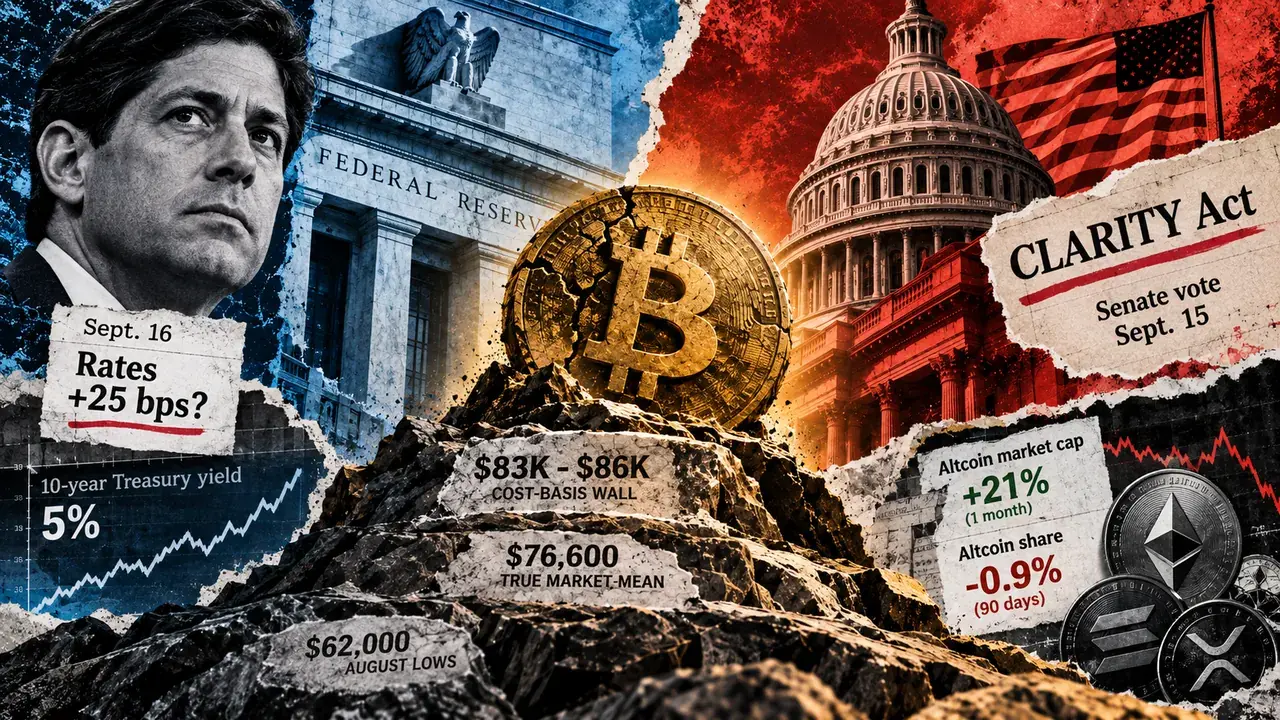
Altcoins gained 21% and still lost ground to Bitcoin. What would finally turn the tables?
Glassnode reported that altcoin market capitalization climbed 21% over the past month, while altcoins' share of the combined Bitco...

A new XRPL upgrade could concentrate XRP ownership inside banks instead of retail wallets
A proposed XRP Ledger (XRPL) upgrade could let banks and fintechs absorb XRP costs so customers never need to hold the token. The...

Bitcoin Price Signal Upside as Rally Meets Fed Risk
Bitcoin price has clawed back to above $70,000 from $60,000 in late August, and traders are now assigning an approximately 85% pro...
Will the Clarity Act Pass the Senate? | Connor Brown, Bitcoin Policy Institute
Bitcoin Magazine Will the Clarity Act Pass the Senate? | Connor Brown, Bitcoin Policy Institute The Clarity Act reaches a make-or-...

Bitcoin needs to reach $82,900 to outrun a looming miner margin squeeze
Bitcoin’s August price recovery coincided with a sharp improvement in mining revenue, but the network is preparing to reclaim part...
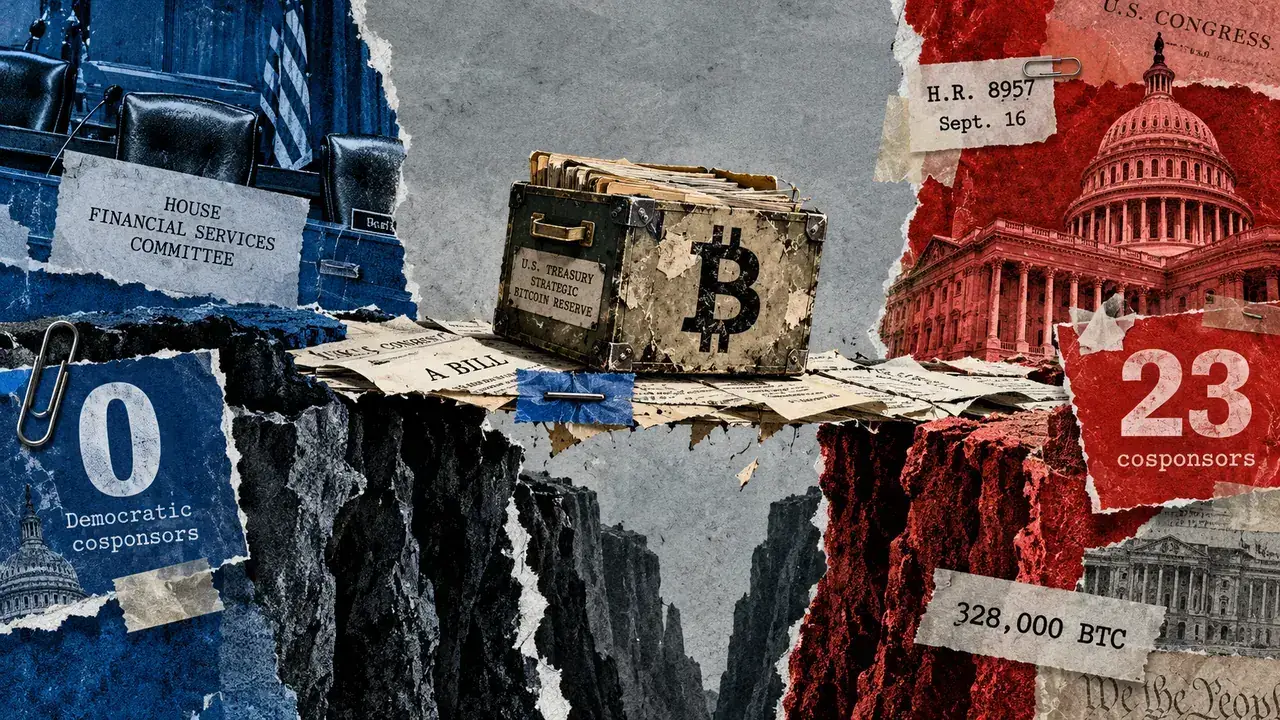
The US Bitcoin reserve faces a crucial bipartisan test Wednesday
The American Reserve Modernization Act (ARMA) would put the federal government's Bitcoin reserve into law for the first time. But...