Portal Removes The Need For Wrapped Tokens And External Custodians For Cross-Chain Asset Transfers
Cross-chain bridges can unlock tremendous potential in the crypto world. But, unfortunately, this technology has certain issues and the wrapped tokens they use. Portal wants to change that narrative by removing the need...
Archive context
Older archive item. Useful for background and entity history, but not a fresh market-moving signal.

Cross-chain bridges can unlock tremendous potential in the crypto world. But, unfortunately, this technology has certain issues and the wrapped tokens they use. Portal wants to change that narrative by removing the need for wrapped assets or third-party custody of user assets.
Cross-Chain Bridges Are A Security RiskThose are the findings of Ethereum co-founder Vitalik Buterin, uttered last month. There is a good reason why Buterin uses harsh language, as cross-chain bridges are prone to 51% attacks. When such an attack occurs, hackers and other culprits control the system and can defraud users. Although a 51% attack is not a permanent problem, attackers’ possibility to steal funds needs to be nipped in the bud.
These bridges wrap and lock funds on other chains to facilitate transfers in their current form. It is an elegant solution, although one that introduces unnecessary security concerns. More specifically, the wrapping and locking aspect isn’t decentralized or trustless. Additionally, that approach can lead to security incidents, such as the ones affecting MultiChain, THORChain, pNetwork, Poly Network, and others.
Staghead Crypto Head Neil Player adds:
“Cross chain bridges present a unique set of security risks and these types of exploits are not a surprise. It is a reminder how bleeding edge a lot of the applications that run on top of blockchains are. Exploits such as what occurred on Wormhole are expected to cause growing pains as the technology and techniques associated with bridging assets matures.”
The Poly Network attack made headlines as it is the largest hack in the decentralized finance space to date. Roughly $600 million in assets were stolen – and later returned, thankfully – confirming the vulnerability of these cross-chain bridges. Sadly, Wormhole lost 120,000 Ether – or over $320 million – due to insufficient validation protocols for “guardian” accounts. Unfortunately, too many security incidents involving these bridges warrant much optimism.
Portal Has A Viable SolutionAddressing the core risks with cross-chain bridges is paramount. There are too many attack vectors for assets across a wider network. Moreover, most bridges use centralized federations and external validators to process transfers, even if that reduces the reliability of decentralization and trustlessness.
Portal aims to change the game through its Bitcoin-based cross-chain DEX. It does not use wrapped tokens or third-party custodial solutions. Instead, funds of participating users are locked during trade execution, without replication on other chains or re-bonding. Transactions occur via peer-to-peer atomic swaps, letting users trade Layer-1 assets without delays, exploits, or blocked funds.
Portal executive chairman Chandra Duggirala explains:
Bridges are hard to reason about and secure. Wrapping assets on other chains basically inherits the guarantees of an IOU. When hundreds of Millions and Billions of dollars are being secured by poorly engineered systems and custodians with untested security practices, it becomes hard to secure user funds. Especially given the balance of incentives, with hackers and attackers basically having to get out of jail free cards due to the “code is law” nature of public blockchains, security is especially important. We like simplicity, and trusting proven, lasting contract types and transaction models that Bitcoin has versus all sorts of experimental approaches to real user money.”
By removing the need for wrapped assets and locked funds, transactions complete in full or not at all. Furthermore, if both parties do not receive the exchanged assets correctly, the Portal transaction rolls back automatically. It is a crucial step toward eliminating the risk of exploits at any transaction stage. All transfers are anonymous and leverage zero-knowledge technology, making DeFi a more appealing concept than relying on ineffective, hack-prone cross-chain bridges.
Image: PixabayWhy this matters
This blockchain story adds another data point to the current market tape and is useful when read alongside nearby source coverage.
Original source
Read on NewsBTCRelated market context

MEXC Releases July–August Security Report: Over 38 Million USDT in Risk-Related Funds Intercepted, Futures Insurance Fund Reaches 792 Million USDT
Mutsamudu, Comoros, September 16, 2026 – MEXC, a pioneer in 0-fee digital asset trading, has released its July–August 2026 securit...

Bitcoin Price Prediction: Another Pressure Looms, But Is a Rate Hike Priced In?
Bitcoin sits at $75,500, down by an ugly 2% since yesterday. It’s far from calm, but the bigger number that matters happened in le...

TheDAO Security Fund Opens $1.8 Million Round Two for ‘Ethereum’s Security To-Do List’
TheDAO Security Fund opened the second round of its ETHSecurity Initiatives program on Tuesday, publishing a crowdsourced board of...

Did crypto’s $20 Billion DeFi surge just get stolen by price inflation?
The central question behind DeFi's latest rebound is whether protocols gained fresh deployable liquidity or simply more valuable c...
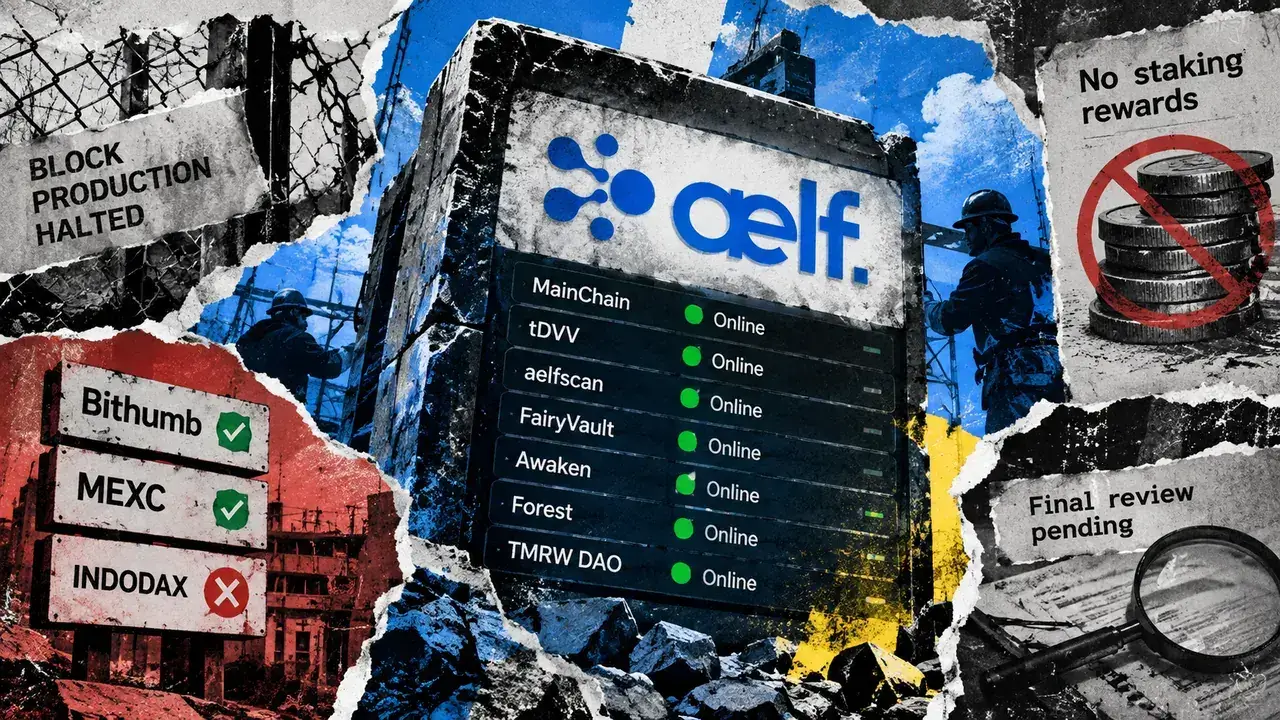
7-day blockchain outage wipes out a full week of staking rewards after emergency aelf shutdown
aelf, a blockchain network built around its AELF MainChain and tDVV dAppChain, has restored public node access and several core se...
Tonkeeper Rebrands to Keeper and Adds Bitcoin, Ethereum and Four More Chains
Tonkeeper, the wallet built for the Telegram-linked TON blockchain, has rebranded to Keeper and expanded into a multichain wallet,...