Robinhood Launches Public L2 Mainnet Optimized For Real-World Assets
Robinhood is no longer just giving crypto users a trading button. The brokerage is now pushing deeper into blockchain infrastructure with the launch of Robinhood Chain, a public Layer 2 mainnet built around tokenized rea...
Archive context
Older archive item. Useful for background and entity history, but not a fresh market-moving signal.

Robinhood is no longer just giving crypto users a trading button. The brokerage is now pushing deeper into blockchain infrastructure with the launch of Robinhood Chain, a public Layer 2 mainnet built around tokenized real-world assets and on-chain financial products.
The move matters because it places one of the most recognizable retail brokerage brands directly inside the Ethereum scaling stack. Rather than relying only on third-party networks for crypto exposure, Robinhood is trying to control more of the rails that sit underneath tokenized stocks, yield products, and future asset settlement.
For more details, visit the official GlobeNewswire platform.
TL;DR- Robinhood has announced a public Layer 2 mainnet called Robinhood Chain.
- The network is positioned around real-world assets, DeFi products, and tokenized equity exposure.
- The company also highlighted wider global availability and a 7% APY Earn structure tied to its expanded product suite.
For crypto markets, the important part is not simply that another Layer 2 exists. It is who is launching it. Robinhood already sits at the intersection of retail trading, equities, crypto access, and mobile-first financial products. A dedicated chain gives the company a way to connect those pieces more tightly.
The announcement frames Robinhood Chain as infrastructure for real-world assets. That is a broad phrase, but in this context it points to a familiar direction: tokenized versions of traditional assets, settlement tools, and DeFi products designed for users who may not think of themselves as crypto-native.
Why Tokenized Assets Are The Real StoryTokenized equities and yield products are still heavily shaped by jurisdiction, custody rules, and securities regulation. That is why the product details matter. Robinhood is not simply launching a meme coin chain or a generic app chain. It is moving into the same territory where brokerages, exchanges, and asset managers are trying to work out how traditional financial products can live on blockchain rails.
The U.S. remains a difficult market for stock-token products, and the company’s global rollout does not remove those restrictions. Still, Robinhood Chain gives the market another sign that large retail-facing finance companies see blockchain infrastructure as something they may need to own, not just access.
The Compliance Line Is Still ThereThe obvious limitation is that tokenized equity products remain highly sensitive to local securities rules. Robinhood can build a chain and expand product availability abroad, but that does not mean U.S. users suddenly get access to every tokenized stock or yield product mentioned in the rollout.
That is why this launch should be read as a long-term infrastructure move rather than a one-day product flip. Robinhood is building optionality. If tokenized real-world assets become a larger part of brokerage and wealth platforms, the company wants rails, custody relationships, and user distribution already in place.
Crypto markets have seen plenty of app-chain announcements that never became important. Robinhood’s advantage is distribution. The risk is that regulatory limits keep the most interesting use cases fragmented by region.
This article is based on information from Robinhood’s official announcement distributed via GlobeNewswire.
This article was written by the News Desk and edited by Samuel Rae.
Why this matters
Robinhood is showing up inside the Regulation theme, so this story is worth tracking for follow-through rather than treating it as a one-off headline.
Original source
Read on NewsBTCRelated market context

Tokenized stock DEX volume tops $3.4 billion a week after Robinhood Chain launch
The surge in tokenized stock trading highlights growing interest in decentralized finance, but sustainability depends on long-term...

Most Tokenized Stock Trading Happens Outside U.S. Market Hours, IMF Finds
More than half of all trading in tokenized U.S. stocks happens while Wall Street is closed, according to new data from the Interna...
Starknet considers leaving Ethereum for a quantum-resistant Layer 1
Starknet's STRK token more than doubled over seven days while developers considered leaving Ethereum to build an independent Layer...
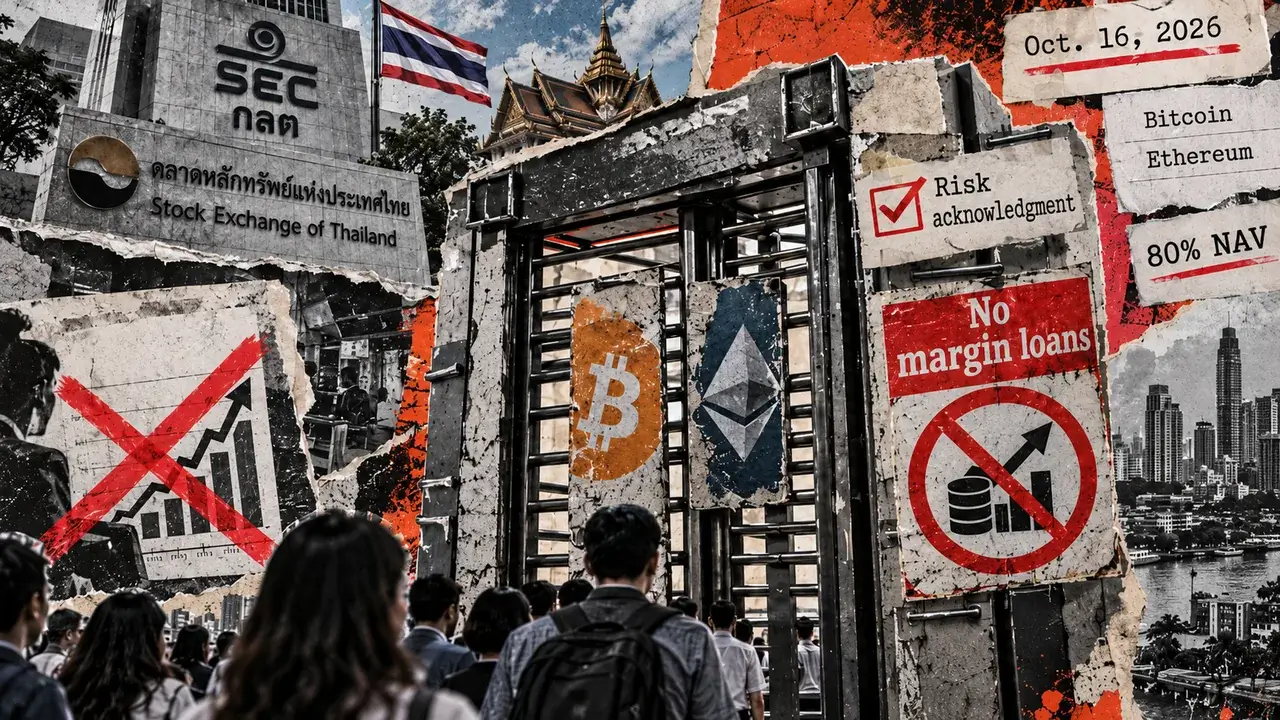
Thailand wants a piece of the $120 billion Bitcoin and Ethereum ETF market, but on its own terms
Thailand has finalized rules allowing domestic Bitcoin and Ethereum ETFs while restricting retail access to competing overseas inv...

China Crypto Strategy Expands as Beijing Backs National Blockchain Network
China announced crypto plans for a national blockchain network. The proposal appeared in a policy document from the Communist Part...

Tokenized assets need reliable settlement and ownership rights to win over institutions, says Brickken CEO
Institutional adoption of tokenized assets hinges on robust legal frameworks, reliable settlement systems, and liquidity managemen...