Russian Founders of Defi Platform Forsage Indicted in $340 Million Crypto Ponzi Scheme
Four Russians have been charged in the U.S. with operating a crypto pyramid and Ponzi scheme that defrauded investors of millions of dollars. If convicted, they would face a maximum penalty of 20 years in prison for thei...
Archive context
Older archive item. Useful for background and entity history, but not a fresh market-moving signal.

Four Russians have been charged in the U.S. with operating a crypto pyramid and Ponzi scheme that defrauded investors of millions of dollars. If convicted, they would face a maximum penalty of 20 years in prison for their roles in the purportedly decentralized finance (defi) platform Forsage.
Forsage Founders Charged With Running Cryptocurrency Pyramid
A federal grand jury in the District of Oregon returned an indictment on Wednesday charging the founders of a defi crypto investment platform for what authorities believe to have been a global Ponzi scheme. The entity, Forsage, allegedly raised around $340 million from its victims, according to an announcement by the U.S. Justice Department.
All four indicted — Vladimir Okhotnikov, Olena Oblamska, Mikhail Sergeev, and Sergey Maslakov — are citizens of the Russian Federation. Some of them used one or more aliases while aggressively promoting the project through its website and social media as a legitimate, lucrative, and low-risk business opportunity. Sergeev, for example, presented himself as Mike Mooney or Gleb Million.
Forsage was advertised to the public as a decentralized matrix project based on network marketing and smart contracts. In reality, it was set up and run as a Ponzi and pyramid investment scheme that defrauded investors around the world. The defendants are each charged with conspiracy to commit wire fraud. If convicted, they would face up to 20 years in prison.
Court documents suggest that the Russian nationals deployed smart contracts on the Ethereum, Binance Smart Chain, and Tron blockchains. Analysis of the code showed that as soon as someone invested in Forsage by buying a so-called “slot” in a smart contract, the funds were used to pay earlier Forsage investors.
U.S. Attorney Natalie Wight for the District of Oregon emphasized that the indictment is the result of a months-long investigation. “Bringing charges against foreign actors who used new technology to commit fraud in an emerging financial market is a complicated endeavor only possible with the full and complete coordination of multiple law enforcement agencies,” she elaborated.
Blockchain forensics confirmed that over 80% of Forsage investors received fewer ether (ETH) back than they had invested in its Ethereum program. Moreover, at least one smart contract was used to divert investors’ money to cryptocurrency accounts controlled by the founders.
Forsage was launched online in January, 2020. The indictment of the Russians comes after in August, last year, the U.S. Securities and Exchange Commission (SEC) charged 11 people, the four co-founders and seven promoters of the platform, for their participation in creating and promoting the fraudulent crypto pyramid and Ponzi scheme.
What are your thoughts on the Forsage case? Let us know what you think about the subject in the comments section below.
Why this matters
This blockchain story adds another data point to the current market tape and is useful when read alongside nearby source coverage.
Original source
Read on Bitcoin NewsRelated market context

Kraken Lets Users Earn DeFi Yield on Nvidia and ETF xStocks
Kraken has launched on-chain yield vaults for three tokenised securities, enabling qualified clients to earn variable rewards from...

Balancer Proposes $9M Treasury Wind-Down After V3 Fails to Restore DeFi Revenue Growth
Key Takeaways: Marcus Hardt, CEO of Balancer, suggested an orderly winddown given the lack of revenue generation from the restruct...
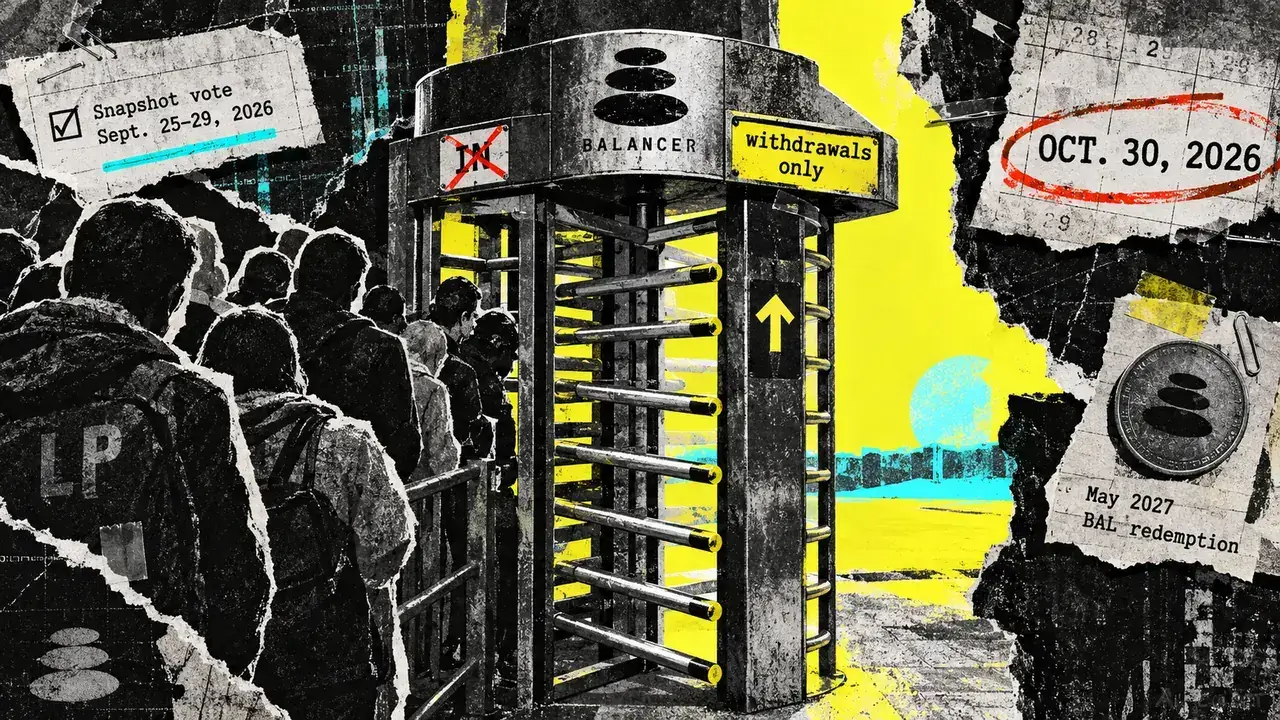
A DeFi giant that once held $3 billion is now proposing to wind itself down
DeFi platform Balancer is proposing an orderly shutdown after a cost-cutting overhaul failed to revive revenue following last year...

DeFi stalwart Balancer mulls shutdown after $130M hack
Once a household name in the DeFi sector, decentralized exchange Balancer is considering calling it quits. In a proposal posted to...

Did crypto’s $20 Billion DeFi surge just get stolen by price inflation?
The central question behind DeFi's latest rebound is whether protocols gained fresh deployable liquidity or simply more valuable c...

Bitcoin self-custody creates a massive cost-basis blind spot on your 2026 crypto tax forms
A Bitcoin investor can withdraw coins from an exchange, return them to the same account, and still fall outside mandatory cost-bas...