Saito – A Paradigm Shift in Blockchain Applications
Why you should listen Saito is a new type of layer-1 blockchain that powers peer-to-peer applications. Saito delivers a new economic model for blockchain. Saito Consensus aligns incentives for all participants, paying no...
Archive context
Older archive item. Useful for background and entity history, but not a fresh market-moving signal.

Saito is a new type of layer-1 blockchain that powers peer-to-peer applications. Saito delivers a new economic model for blockchain. Saito Consensus aligns incentives for all participants, paying nodes for scale while remaining open.
Saito is designed to create a real economy running on this network, that supports an open ecosystem of peer to peer applications, where users are sovereign and own their data, and providers that serve them best are most profitable.
Saito Consensus eliminates the sybil attacks, majoritarian attacks,and several other attack vectors common in proof-of-work and proof-of-stake consensus mechanisms by correcting the collective action problems buried in their incentive structures.
When users send transactions into the network they add cryptographic routing signatures that specify the first-hop node(s) to which they are sending their transaction(s). Receiving nodes add similar routing signatures as they forward these transactions, creating an unforgeable record within transactions of the path they have taken into the network.
These routing paths can be examined to confirm the amount of “routing work” available in a transaction. Transactions without valid routing paths contain no routing work. The amount of routing work in any other transaction is its total fee halved with each hop beyond the first that the transaction has taken into the network.
The blockchain maintains a “difficulty” for block production that is measured in routing work. Nodes produce blocks when they have enough routing work in the transactions in their mempool to meet difficulty criteria. Blocks which do not contain the required amount of routing work are invalid according to consensus rules.
While most of crypto uses a Web 2 model with token integrations or a federated model reliant on volunteer work, Saito applications operate in true, peer-to-peer Web 3 and are self-funding.
Supporting linksBitget VIP Link with BONUS 1000 USDT
If you enjoyed the show please subscribe to the Crypto Conversation and give us a 5-star rating and a positive review in whatever podcast app you are using.
ADVERTISEMENT
Advertise with BNC
Why this matters
This blockchain story adds another data point to the current market tape and is useful when read alongside nearby source coverage.
Original source
Read on Brave New CoinRelated market context
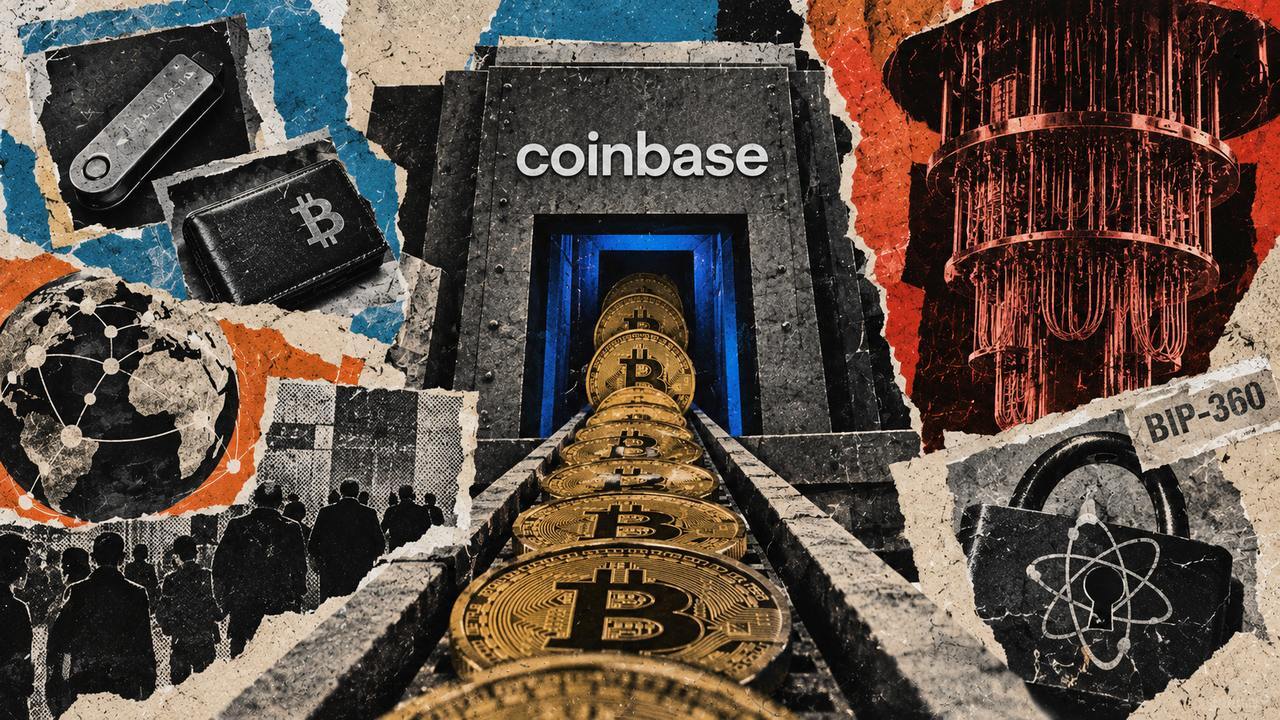
Bitcoin exchanges can reduce quantum exposure before a network upgrade
A future quantum-safe Bitcoin will have to pass through the systems that hold and move today's coins. Exchanges, institutional cus...

XRP News: XRPL Records 2K Transactions from 20 Wallets
The XRP Ledger processed a record 3,254 transactions in ledger 106,965,249 yesterday, but 2,000 of the news came from just 20 acco...
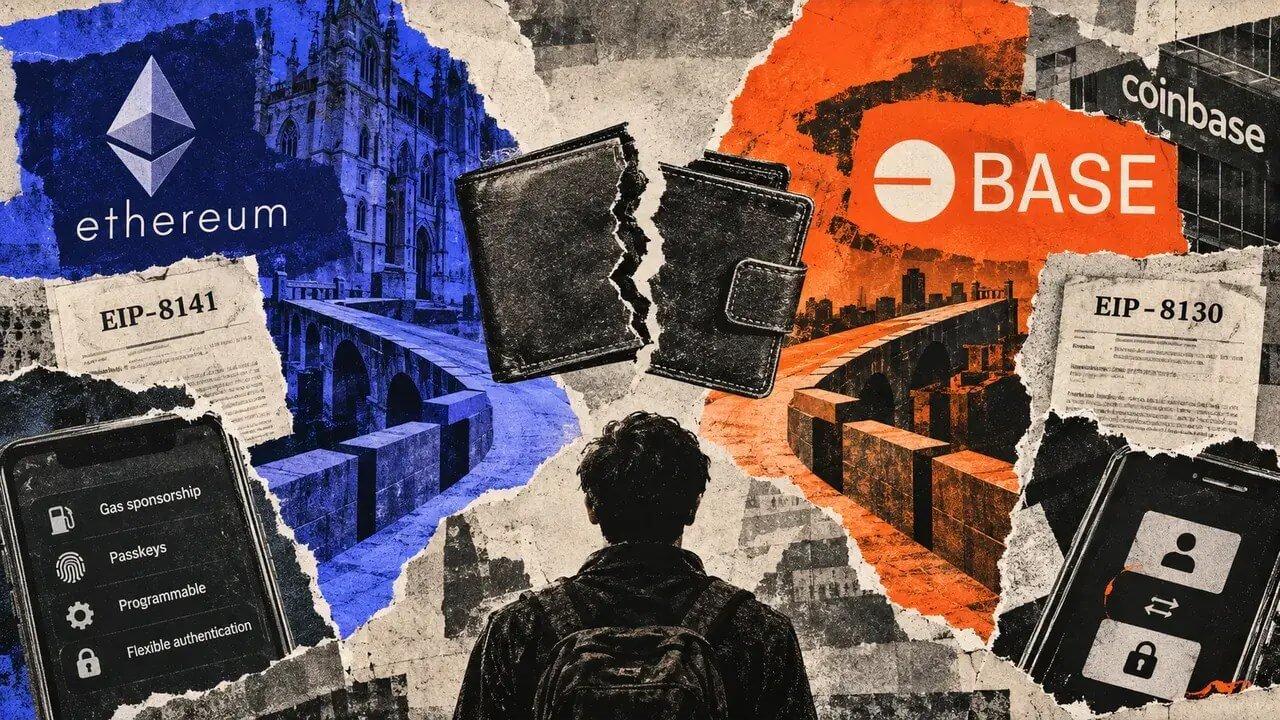
Coinbase-backed Base just exposed the uncomfortable truth about Ethereum’s L2s
Ethereum and Coinbase-backed layer-2 network Base have abandoned an effort to agree on how the next generation of crypto wallets s...

Plume Network general counsel outlines tokenization’s benefits in Bitcoin Suisse wealth report
Tokenization's rise could redefine asset management, enhancing efficiency, transparency, and global competitiveness in financial m...

Altcoins see highest 7-day inflow transactions in months as Binance leads the charge
Increased altcoin inflows suggest a shift in investor interest, potentially indicating a broader diversification within the crypto...

Hidden crypto farm in Mexican mountains exposes cartel funding networks
The discovery highlights the growing sophistication of cartel operations, leveraging crypto for money laundering and exploiting pu...