Sequoia to Reap $100 Million in Stripe’s Acquisition of Crypto Firm Bridge
The news was initially revealed by TechCrunch co-founder Michael Arrington in an X post. Source: X According to a Bloomberg report, with a 16% ownership stake in Bridge, Sequoia’s $19 million Series A investment made jus...
Archive context
Older archive item. Useful for background and entity history, but not a fresh market-moving signal.

The news was initially revealed by TechCrunch co-founder Michael Arrington in an X post.
Source: X
According to a Bloomberg report, with a 16% ownership stake in Bridge, Sequoia’s $19 million Series A investment made just a year ago now translates to an impressive $100 million return. This rapid gain is particularly notable in the crypto space, where venture funding has seen a marked slowdown since its peak in 2022. Other investors also stand to benefit significantly from this acquisition, including Ribbit Capital, Haun Ventures, Index Ventures, and Bedrock Fund Management, all of whom hold sizable stakes in the fast-growing crypto firm.
Bridge, often regarded as the crypto world’s answer to Stripe, was launched by former Coinbase executives Zach Abrams and Sean Yu in 2022. It was to drive stablecoin-based payments into the mainstream and create a functional alternative to traditional credit card companies, including legacy systems like SWIFT.
The innovative means it devised for handling stablecoin payments caught the attention of Stripe’s leadership, including its co-founder John Collison, who this summer said he was interested in supporting stablecoins within Stripe’s infrastructure. At the same time, such a deal underlines Stripe’s commitment to extending the frontiers of digital payment options and positioning itself at the forefront of crypto adoption in the payments industry.
Still, the promise of the acquisition remains subject to the regulatory approval process, expected to take a few months. If successful, the deal will mark one of the largest acquisitions in the crypto industry to date, signaling Stripe’s confidence in Bridge’s continued upward trajectory.
With Bridge recently hitting a $14 million run rate—a figure expected to grow further—Stripe’s acquisition reflects both the platform’s rapid growth and the larger industry shift toward digital and decentralized payment solutions. The acquisition speaks volumes not only about the promise of stablecoins in the mainstream financial systems but also about long-term opportunities for the venture firms at Sequoia and Ribbit that have identified and invested in Bridge’s promise relatively early.
EU’s MiCA Framework: A Double-Edged Sword for Stablecoin Stability?The European Union’s Markets in Crypto-Assets Regulation, or MiCA, is set to bring new financial regulations to the crypto market, in particular to stablecoin issuers, but concerns grow over its impact on financial stability. Set to take full effect on December 30, MiCA is the first regulatory regime from Europe aimed at regulating the crypto market and creating clarity and transparency among all digital assets. However, according to Tether CEO Paulo Ardoino, MiCA’s requirements for stablecoin issuers to hold a majority of reserves within European banks could introduce serious risks for both issuers and the broader financial system.
MiCA mandates that stablecoin issuers hold at least 60% of their reserve assets in cash deposits at European financial institutions. While this regulation is intended to ensure stability and quick liquidity, Ardoino warns that it could create unintended consequences. He explains that because banks typically lend out up to 90% of their deposits, a large influx of stablecoin reserves might pressure banks to increase lending, potentially stretching their liquidity. For example, he notes that if an issuer manages €10 billion, they would be required to keep €6 billion within European banks. Banks, then, could lend out roughly €5.4 billion of this, leaving only around €600 million readily accessible—a scenario Ardoino sees as introducing “systemic risks.”
USDC price chart. Source: Brave New Coin
The crypto industry is no stranger to the potential pitfalls of banking dependency. Circle, an issuer of USD Coin (USDC), faced a crisis in March 2023 when it lost its dollar peg, dropping as low as $0.8774. This depegging followed an incident with Silicon Valley Bank (SVB), where Circle could not retrieve $3.3 billion of its reserves after SVB collapsed. The crisis underscored the risks associated with stablecoin issuers’ reliance on banks and prompted renewed calls for regulatory clarity.
Ardoino’s concerns spotlight the fine line regulators must walk in promoting transparency and protecting financial stability. While MiCA is a landmark step for crypto oversight in Europe, it also highlights the complexities of integrating stablecoins into traditional financial structures and may provoke further debate on how to balance security with flexibility as the industry evolves.
Why this matters
This blockchain story adds another data point to the current market tape and is useful when read alongside nearby source coverage.
Original source
Read on Brave New CoinRelated market context

Banks escalate stablecoin rewards fight as Senate prepares for a Clarity Act vote
Eight banking groups on Monday said they want tighter limits on stablecoin rewards, keeping the ongoing banks-versus-crypto disput...
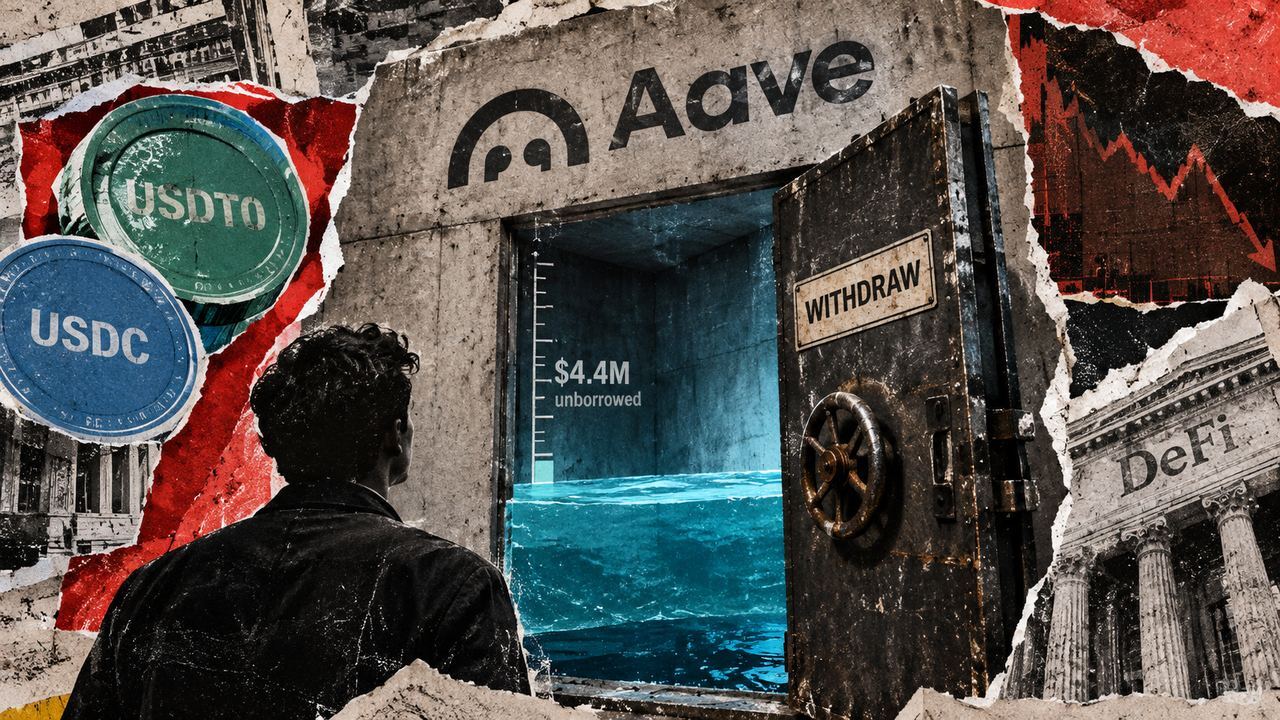
$55 million Aave stablecoin pool sees just $4.4 million available for withdrawals
Aave's USDT0 stablecoin lending pool on the Monad network displayed a 6.10% annual percentage rate over the weekend, but only abou...

Bitcoin ETFs just lost $463 million as the Fed puts BTC at risk of losing $75,000
US spot Bitcoin exchange-traded funds (ETFs) posted $462.7 million in weekly outflows, ending a three-week stretch of heavy invest...

China’s foreign exchange regulator urges banks to promote currency hedging
Increased hedging reduces currency volatility, stabilizing profits for exporters and easing regulatory challenges for China's fina...

Grayscale Launches 4 Crypto Portfolios for Financial Advisors
Grayscale has launched four model portfolios that let financial advisors add diversified crypto exposure through exchange-traded p...

XRP holders could earn new yield, but getting out may take up to 60 days
Firelight is preparing to turn XRP-linked assets into capital that backs protection for DeFi users, offering holders a new source...