Shanghai Blockchain Week 2021: Grand Occasion or Absence of Glory?
While crypto enthusiasts were sending out their “GM” tweets from Lisbon last week, Shanghai held its only state-sanctioned blockchain event, Shanghai International Blockchain Week. Hosted by Wangxiang Blockchain Labs, th...
Archive context
Older archive item. Useful for background and entity history, but not a fresh market-moving signal.
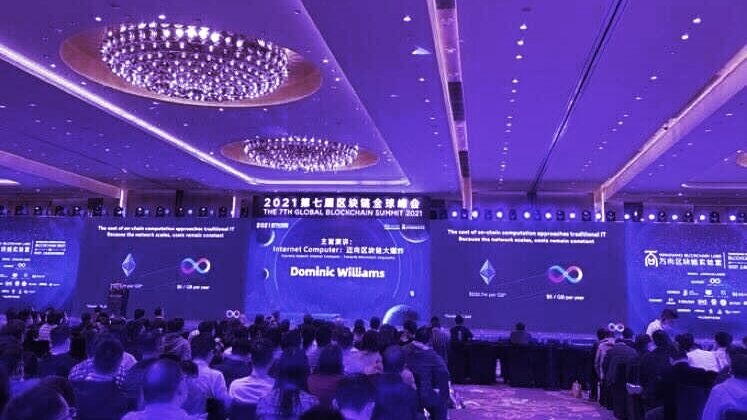
While crypto enthusiasts were sending out their “GM” tweets from Lisbon last week, Shanghai held its only state-sanctioned blockchain event, Shanghai International Blockchain Week. Hosted by Wangxiang Blockchain Labs, the event usually brings together the government, enterprise, academic, and DeFi degen side of the industry with a mix of excitement and anxiety.
Blockchain was publicly listed as a key industry in the digital economy in China's 14th Five-Year Plan and 2035 long-term goal outline, promoting the “coordinated transformation of the entire industry chain through data empowerment.”
But this year's event was different from the past. Although it still happened, there were far stricter guidelines from the Chinese government: project exhibitions had to submit detailed materials in advance to eliminate any sensitive language regarding price or trading.
This didn’t dampen enthusiasm, a sign that China has not completely killed its crypto industry. Shanghai Blockchain Week’s surrounding activities and private parties attracted big crowds. Avalanche’s cocktail party, for example, ended up with more than 300 attendees.
Of course, the China crypto landscape has undergone profound changes in the past year, and the old crypto players who have not adapted to these changes have either exited the market or been left in the dust. Here were our biggest takeaways from Shanghai Blockchain Week.
- Overseas Layer 1 and Layer 2 projects are still hot in China, such as Near, Avalanche, Polygon, Arbitrum, and Dfinity, and have spent a lot of time cultivating Chinese-language ecosystems. They appear eager to tap into a large user population that doesn’t have as many ideological qualms around decentralization as their Western counterparts.
- The next generation of investors—Gen Z traders who live on Weibo, WeChat, TikTok, and Twitter—have begun to emerge as a key force in the crypto market.
Chinese crypto communities go global- Chinese VCs face quite a dilemma after China’s crackdown on crypto. Some VCs said that it’s now more difficult for them to get good deals, even overseas. The result is that many Chinese crypto VCs, influencers, and other key players are now joining overseas social media groups to begin branching out of China. Cultural differences have long been a major problem for bridging the gap between the East and the West, but Chinese crypto folks flowing into overseas communication channels is a signal of the change of the times. And it arguably shows China’s crypto scene isn’t dying, but adapting so it can thrive in a new way.
- Media outlets and other information sources have also started “going global” by migrating to Twitter, Telegram, and Discord to court new members from around the world. Multiple WeChat crypto groups originally managed by Chinese crypto media have either moved to Telegram or closed up completely.
- Some media firms have said that the new channels are actually more efficient. China’s Great Firewall (Telegram, Discord and Twitter require VPN for Chinese users to access them) helps filter out users who do not have the ability to obtain overseas information. Moreover, Telegram’s subscription channels, and Discord’s tagging and moderation features, earn high marks for how they make group management more efficient.
- The size and demographics of crypto social media groups are also changing. People who originally used larger chat groups as their source of information have shifted to smaller, more exclusive groups to learn about and follow new projects. The people active in the market today are mostly experienced DeFi users.
flyer for a metaverse party during Shanghai Blockchain Week ...And then there’s the metaverseWhile the Shanghai Blockchain Week was in full swing, another event was also held in the same week: Shanghai Metaverse Week, bigger this year than ever before.
Some metaverse after-parties were even more popular than the parties tied to the main blockchain conference, though most of them were invite-only attendance. One “Degen Night” party made a splash because the organizers purposely left out any mention of where it was located or who they were. People who were invited were contacted in private and told to keep the location secret.
flyer for a DeFi party during Shanghai Blockchain WeekFinally, despite the framing of crypto and DeFi as being all about decentralization and cutting out the incumbent corporate giants, it’s worth pointing out that the continued efforts of giants like Tencent and Alibaba have helped stoke excitement around the metaverse. These companies see what’s happening and are not going to stand idly by and miss the metaverse madness.
Crypto in China is a new recurring column from Sally and Matthew at Sino Global, a crypto VC firm. The authors will always fully disclose any mention of projects their firm is heavily invested in.
Why this matters
This blockchain story adds another data point to the current market tape and is useful when read alongside nearby source coverage.
Original source
Read on DecryptRelated market context

Illinois backs delay to crypto tax rule after months of industry pushback
Illinois officials have joined crypto industry groups in seeking a six-month delay to the state’s controversial digital-asset tax....
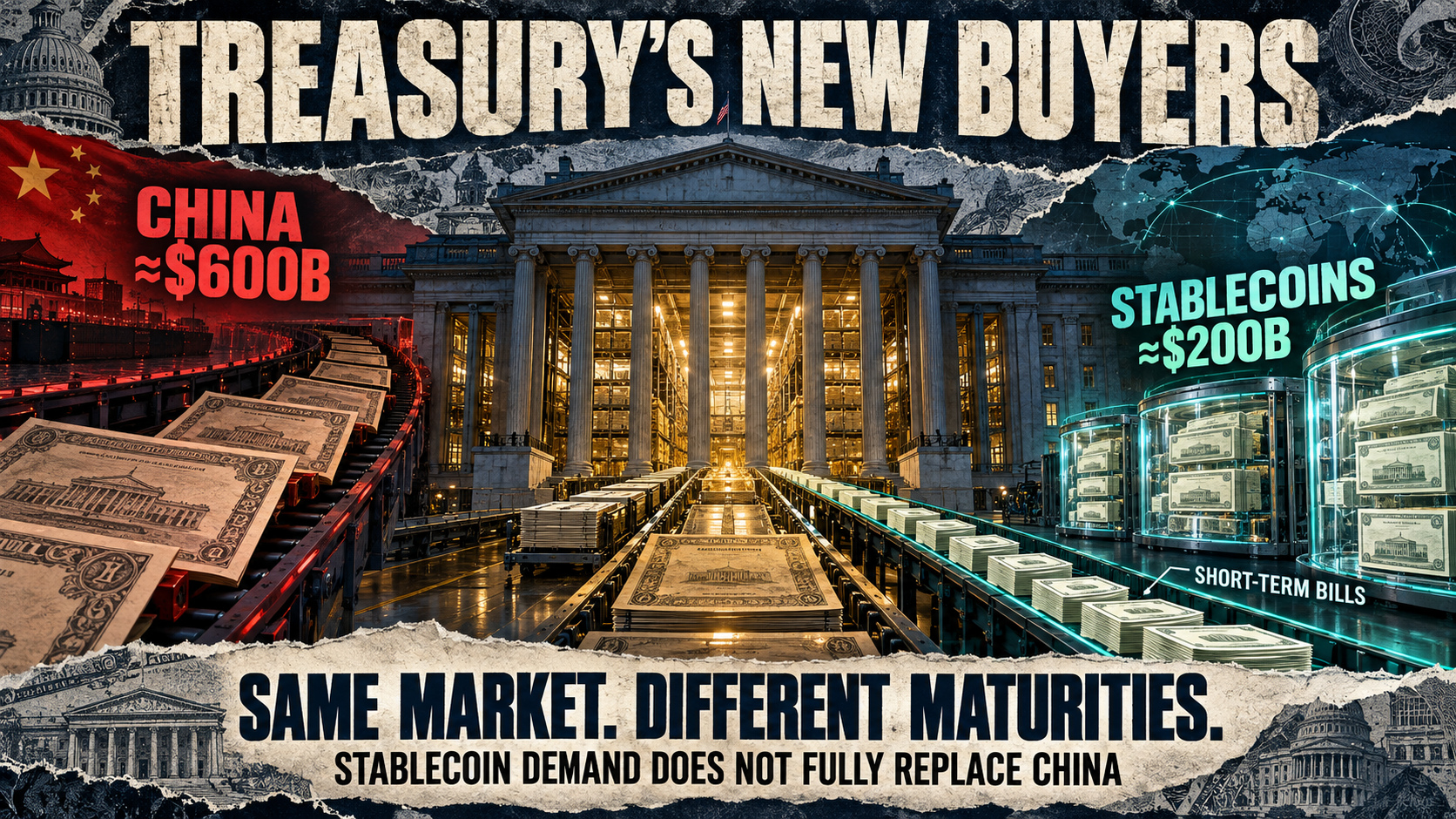
Stablecoin issuers have replaced 40% of China’s lost US Treasury demand
Stablecoin issuers are emerging as a new source of demand for US government debt as foreign official holdings lose ground. Tether...

Who Is Jay Clayton? From XRP Lawsuit to Trump’s New AI Czar
Clayton will lead the newly created “Super Intelligence Force,” a White House task force tasked with examining the risks and oppor...

Following the Bitget Hack: BitOK Traces 87.8 BTC as Stolen Funds Reach Mixers
Research and reporting by Alexander Manev, BitOK. Reporting and adaptation by Brave New Coin. Investigators following the Bitget h...

XRP Price Prediction: Ripple’s $700M Escrow Return Puts $1.59 Resistance in the Spotlight
The setup comes shortly after Ripple returned 700 million XRP, worth more than $1 billion, to escrow following its scheduled Octob...

Korea Blockchain Week asks whether blockchains are ready for AI agents
The integration of AI agents into blockchain systems could redefine economic interactions, necessitating new infrastructure and re...