South Korean University to Roll out Blockchain-powered ID Cards
A South Korean university says that it has become the latest institution in the country to introduce blockchain-powered mobile phone-based student IDs. Per Segye Ilbo, Jeonnam State University stated that its ID cards wi...
Archive context
Older archive item. Useful for background and entity history, but not a fresh market-moving signal.

Per Segye Ilbo, Jeonnam State University stated that its ID cards will use decentralized identity technology (DID). This is the same sort of IT solution that the nation’s police currently use to issue digital driving licenses....
Read More: South Korean University to Roll out Blockchain-powered ID Cards
Why this matters
This blockchain story adds another data point to the current market tape and is useful when read alongside nearby source coverage.
Original source
Read on CryptonewsRelated market context
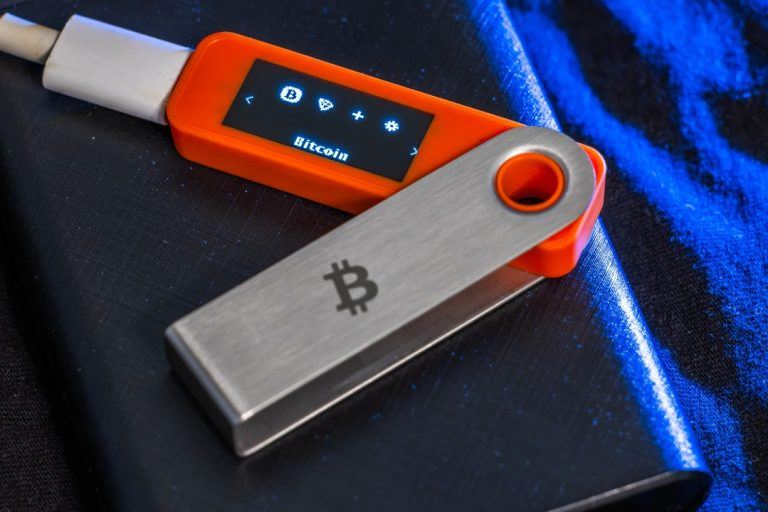
South Korean Regulator Demands Tighter Cold-Wallet Controls for Crypto Firms
South Korean financial regulators have called for increased cold wallet storage and tighter internal access controls just days aft...

Coinbase Explains Multi-User Architecture as Crypto Accounts Become More Complex
TL;DR: Coinbase published an engineering account of its move toward multi-user infrastructure on October 29, describing how one ac...

Binance’s $6.3 Billion Hack Has South Korea Asking Exchanges to Hold More Crypto Offline
At an emergency meeting on Nov. 2, South Korea’s Financial Services Commission asked major crypto exchanges to move more customer...

Canton Strategic Holdings’ CNTN becomes first tokenized US stock to trade under SEC exemption
This milestone in tokenized stock trading could pave the way for broader blockchain adoption in financial markets, influencing fut...

Ethereum Economic Zone aims to stitch fragmented rollups back together
The Ethereum Economic Zone could enhance DeFi composability and liquidity, but its success hinges on widespread rollup adoption an...

Eric Trump warns Bitcoin’s low transfer fees threaten financial institutions
Bitcoin's low transfer fees could disrupt traditional banking models, challenging their fee-based revenue streams and operational...