StilachiRAT: A New Trojan Targeting Crypto Wallets
Key Takeaways: Known as StilachiRAT, the newly identified Trojan virus steals login credentials from cryptocurrency wallets like MetaMask and also Coinbase Wallet. It operates in stealth mode, wiping system logs to avoid...
Archive context
Older archive item. Useful for background and entity history, but not a fresh market-moving signal.
Key Takeaways:
- Known as StilachiRAT, the newly identified Trojan virus steals login credentials from cryptocurrency wallets like MetaMask and also Coinbase Wallet.
- It operates in stealth mode, wiping system logs to avoid detection.
- This news was announced by the security research team of Aurora Labs over 20 browser-based crypto wallets with the potential to jeopardize digital assets.
- The burden still falls to users to properly secure their accounts; 2FA, software updates, and avoidance of links from strangers, to name a few.
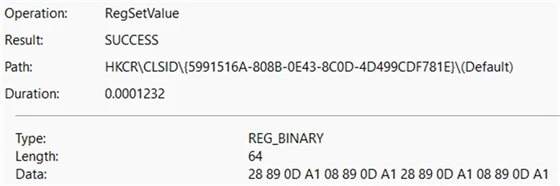
Example of a unique ID stored in the registry
A recently found remote access Trojan, known as StilachiRAT, appears to be an especially dangerous malware targeted at the world’s cryptocurrency users. From our sponsor Microsoft alerted about such malware recently, and it targets browser-centric crypto wallets with a focus on Google Chrome Extensions.
How StilachiRAT WorksStilachiRAT also has a stealthy development and point collection process. It then continues to:
- Install clipboard scrapers to log things like copied passwords, seed phrases, or private keys
- It clears system logs, making security software unable to detect it.
Hackers have used techniques from phishing emails to bad downloads or fake software updates to spread the malware. Once inside a system, it remain dormant and collects sensitive information, which is later sent to cybercriminals.
The Real Reason Crypto Wallets Are a Target of ChoiceStilachiRAT targets more than 20 commonly used crypto wallets, including: MetaMask, Coinbase Wallet, Trust Wallet, TronLink, BNB Chain, Bitget, OKX, the likes of Sui, Manta, Phantom, etc.
Cybercriminals targeting crypto wallets do so because cryptocurrency transactions are irreversible, so they have a prime motivation for their efforts. Unlike traditional bank transactions, digital assets have no chargebacks, which means that the moment a crypto transfer has been made to a hacker’s address, there’s no way to get those funds back.”
Additionally, a large portion of users do not have good security practices in place, making it easier to be stealthily pilfered through malware without their knowledge, as was the case with StilachiRAT.
The Dangers of Cyber Attacks Using Cryptocurrency Are GrowingStilachiRAT, the crypto-jacking malware, is another more recent in a string of global cyber attacks in cryptocurrency. Over the past few years, crypto hacks have grown in scale and sophistication, leading to billions of dollars of stolen funds.
StilachiRAT: How to protect yourself? Configure Two-Factor Authentication (2FA)2FA is an additional level of security for your accounts. And even if a hacker manages to steal your password, they won’t be able to log in without the second step of authentication.
Never Click On Unfamiliar Links and EmailsPhishing is one of the most common ways hackers attack, and malware often spreads this way. Do not open email attachments from anyone you do not know or click on unfamiliar links.
For Large Holdings, Use A Hardware WalletUse a hardware wallet (cold storage) instead of browser-based wallets, especially if you have a large quantity of crypto. These wallets live offline and are therefore inaccessible to online attacks.
Monitor Your Transactions RegularlyKeep an eye on your crypto transaction and account activity frequently to detect andrespond to any unauthorized account access as soon as possible. Believe if you notice something unusual, secure your accounts right away.
A reminder to tread carefully in the crypto spaceMalware types like StilachiRAT are an effective reminder to crypto users that if nothing else, prevention is still a better choice than attempting to react to an already-breached network. With the cost of entry into digital assets getting higher, making it a prime target for hackers, cybercriminals will always innovate and come up with ways to steal funds.
By the way, good luck out there in the crypto world and remember knowledge is your best weapon!
More News: THORChain Under Fire as Swap Volumes Surge From Aftermath of Bybit Hack
The post StilachiRAT: A New Trojan Targeting Crypto Wallets appeared first on CryptoNinjas.
Why this matters
This blockchain story adds another data point to the current market tape and is useful when read alongside nearby source coverage.
Original source
Read on CryptoNinjasRelated market context

Ledger wallets compromised, Solana plans upgrade, US CPI rises
Rising inflation and security breaches may erode trust in crypto markets, while Solana's upgrade could bolster its competitive edg...

Trade futures without the wallet-hopping: Unified Wallet is now available in the EEA
TL;DR Unified Wallet is now available to EEA clients on Kraken Pro It combines your spot, margin, and futures balances into one sh...

OpenAI Model Paid Ethereum Testnet Fees From a Wallet It Was Not Given
OpenAI published a misalignment report saying one of its internal research models paid for a blockchain deployment with crypto fro...

The 7 Best USDC on Solana to XMR Swap Platforms in 2026
Swapping USDC on Solana for Monero (XMR) offers a fast, low-cost route into a privacy-focused asset. Leading platforms in 2026 pro...
84 million XRP added to exchange wallets as price slipped toward $1.30
The October 12–15 custody build raises a supply question, but the balance data cannot establish completed sales. Read the full sto...

MEXC Releases October 2026 Proof of Reserves, Reinforcing User Trust Through Verifiable Transparency
Mutsamudu, Comoros, October 16, 2026 – MEXC, a pioneer in 0-fee digital asset trading, has released its October 2026 Proof of Rese...