Telegram Introduces No-SIM Sign-ups With Blockchain-Powered Numbers
Popular messenger Telegram now allows users to open accounts without the need to provide their mobile phone numbers. With the app’s latest update, they can log in using blockchain-based numbers instead, and they can be p...
Archive context
Older archive item. Useful for background and entity history, but not a fresh market-moving signal.

Popular messenger Telegram now allows users to open accounts without the need to provide their mobile phone numbers. With the app’s latest update, they can log in using blockchain-based numbers instead, and they can be purchased with cryptocurrency on the Fragment platform.
Telegram Promises ‘New Era of Privacy’ With Accounts That Don’t Require Phone NumbersOne of the most popular messaging services in the crypto community, Telegram, has issued a new update to its application. The messenger now allows users to have an account without linking a cellphone number, an option that takes privacy to a new level, according to an announcement which insisted:
Today starts a new era of privacy. You can have a Telegram account without a SIM card.
“On Telegram, your phone number was never visible to strangers — our users control who can see their number and whether others are allowed to find them by their phone number,” the Telegram team reminded.
From now on, however, they will not even need one in order to set up a new account with Telegram. Instead, they will be able to log in using blockchain-powered numbers, which will be anonymous, the statement released on Tuesday revealed.
The numbers will be available on Fragment, and can be purchased with toncoin (TON), the cryptocurrency used on the decentralized Open Network blockchain originally designed by Telegram. Fragment launched in late October as a blockchain auction platform and is also selling usernames.
Since May, Telegram users can send and receive toncoin directly within the chats. In 2019, the U.S. Securities and Exchange Commission filed a case against Telegram over the toncoin project, but in 2020 the messenger settled with the regulator.
Another privacy-oriented feature coming with this update allows you to set up a global timer to automatically delete messages in all new chats. It can be applied to existing chats as well. Self-destructing messages were introduced in 2013 but this new option expands user control, the company pointed out.
In June, Telegram announced it’s launching a premium tier of services, seeking to monetize its platform which has over 700 million monthly users. And in August, founder and CEO Pavel Durov hinted at a series of upcoming Web3 enhancements and talked about the benefits of reserved and tradable usernames, and group and channel links for auction.
What other features do you expect from Telegram or the messenger you are using? Tell us in the comments section below.
Why this matters
This blockchain story adds another data point to the current market tape and is useful when read alongside nearby source coverage.
Original source
Read on Bitcoin NewsRelated market context
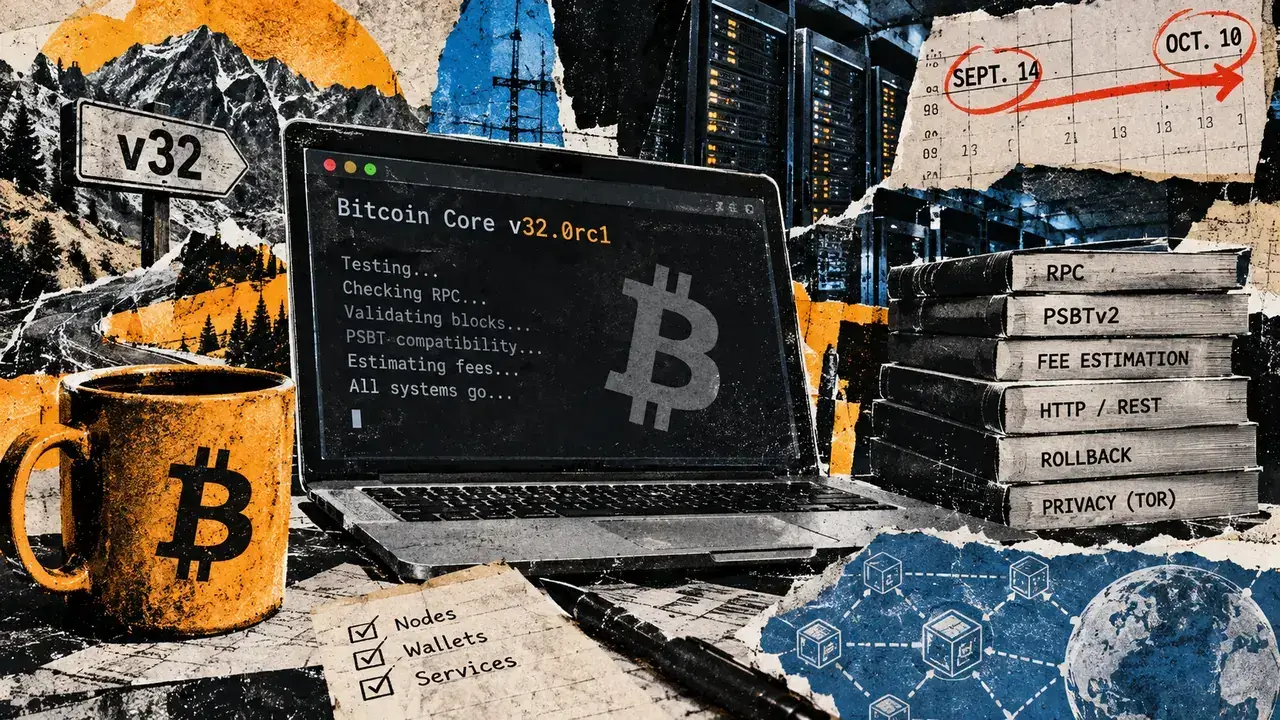
Major Bitcoin Core update changes default wallet protocols, risking temporary disruption across popular apps
Bitcoin Core v32.0rc1 has turned the Sept. 14–Oct. 10 window into a concentrated compatibility test for node operators, wallet pro...

DeFi stalwart Balancer mulls shutdown after $130M hack
Once a household name in the DeFi sector, decentralized exchange Balancer is considering calling it quits. In a proposal posted to...

SEC's Atkins backs Clarity Act but says agency will keep pushing crypto rules without it
The SEC chair said crypto issuance, transfer agent modernization and custody will form the backbone of the agency’s regulatory pus...

Ethereum and Base Abandon a Shared Wallet Standard as Account-Abstraction Talks Break Down
Ethereum and Base have given up on building one shared account-abstraction standard for both networks and will ship competing desi...
Will the Clarity Act Pass the Senate? | Connor Brown, Bitcoin Policy Institute
Bitcoin Magazine Will the Clarity Act Pass the Senate? | Connor Brown, Bitcoin Policy Institute The Clarity Act reaches a make-or-...
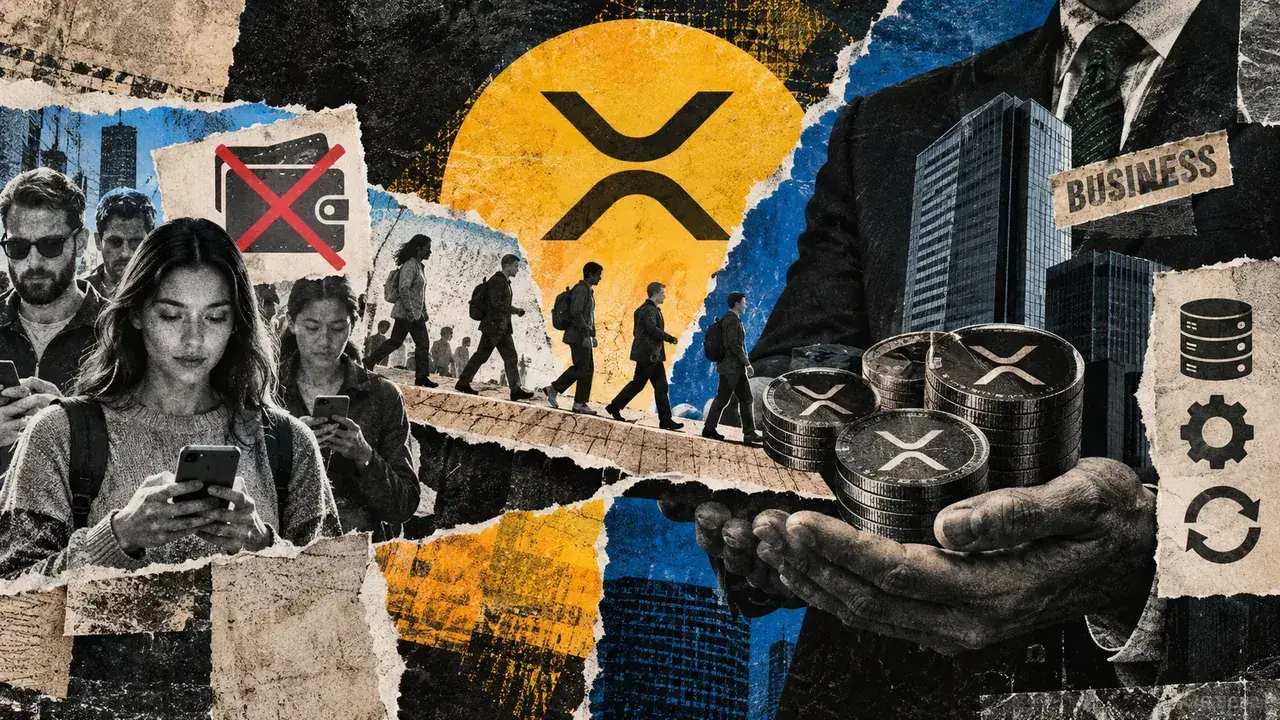
A new XRPL upgrade could concentrate XRP ownership inside banks instead of retail wallets
A proposed XRP Ledger (XRPL) upgrade could let banks and fintechs absorb XRP costs so customers never need to hold the token. The...