The Dark Side of the Blockchain
Blockchain technology has been touted as a solution to the issue of financial exclusion, promising a more inclusive and accessible financial system. However, there is a growing concern that the implementation of blockcha...
Archive context
Older archive item. Useful for background and entity history, but not a fresh market-moving signal.

Blockchain technology has been touted as a solution to the issue of financial exclusion, promising a more inclusive and accessible financial system. However, there is a growing concern that the implementation of blockchain technology could backfire spectacularly, further exacerbating the already existing technological gap while aggravating financial exclusion and the unbanked population.
While blockchain technology has the potential to create a decentralized financial system, the reality is that the tech gap is still significant. There are still many people who lack access to the internet, mobile phones, or other technologies required to use blockchain-based financial services. This creates a significant barrier to entry for those who are already financially excluded and unbanked.
Moreover, the learning curve for blockchain technology is steep, which means that those who are not familiar with the technology may struggle to navigate and use blockchain-based financial services. As such, there is a risk that the implementation of blockchain technology could widen the technological gap between those who have access to the technology and those who do not, leading to further financial exclusion.
Another issue with the implementation of blockchain technology is the potential for further concentration of power. Blockchain-based financial services require significant computing power and resources to operate, which means that those with the resources to invest in the necessary infrastructure and equipment will have an advantage. This could lead to a concentration of power among a few dominant players, which may not be beneficial for financial inclusion.
Furthermore, there is a risk that the implementation of blockchain technology could exacerbate existing inequalities. Blockchain technology operates on a trustless system, meaning that users do not need to trust intermediaries, such as banks or financial institutions. While this is a positive development, it may not be suitable for everyone, especially those who lack the necessary skills or knowledge to protect their assets on a trustless system. This could lead to the further exploitation of vulnerable individuals, such as the elderly or low-income populations.
Open Banking Might Be in Prime Position to Close the Gap
Blockchain technology has the potential to bridge the technological gap if correctly used and open banks seem to be in a prime position to do so.
Blockchain technology can help open banks by providing a secure and efficient platform for financial transactions. By leveraging blockchain technology, open banks can offer more secure and efficient financial services to their customers, without requiring them to understand the intricacies of blockchain technology but still reap the benefits from its security and efficiency of financial transactions.
As such, for example, blockchain technology can provide a more efficient and secure platform for remittances and international money transfers, something particularly important for people who may be working abroad and sending money back home to their families. Moreover, it can ensure that these transactions are secure and transparent, with lower transaction fees than traditional financial institutions.
Blockchain tech can also help open banks to provide more accessible and inclusive financial services to people who are currently unbanked or underbanked. By using blockchain-based financial services, these people can access the same financial services as everyone else, without the need for a traditional bank account.
Wrapping Up
While blockchain technology has the potential to revolutionize the financial system and promote financial inclusion, there is a risk that it can fail to deliver.
The tech gap is still significant, and the implementation of blockchain technology could lead to widening it and exacerbating existing inequalities.
As such, it is crucial to address these concerns and ensure that the implementation of blockchain technology is done in a manner that promotes financial inclusion and benefits all members of society, regardless of their technological abilities.
This article was written by Finance Magnates Staff at www.financemagnates.com.Why this matters
This blockchain story adds another data point to the current market tape and is useful when read alongside nearby source coverage.
Original source
Read on Finance MagnatesRelated market context

A new XRPL upgrade could concentrate XRP ownership inside banks instead of retail wallets
A proposed XRP Ledger (XRPL) upgrade could let banks and fintechs absorb XRP costs so customers never need to hold the token. The...
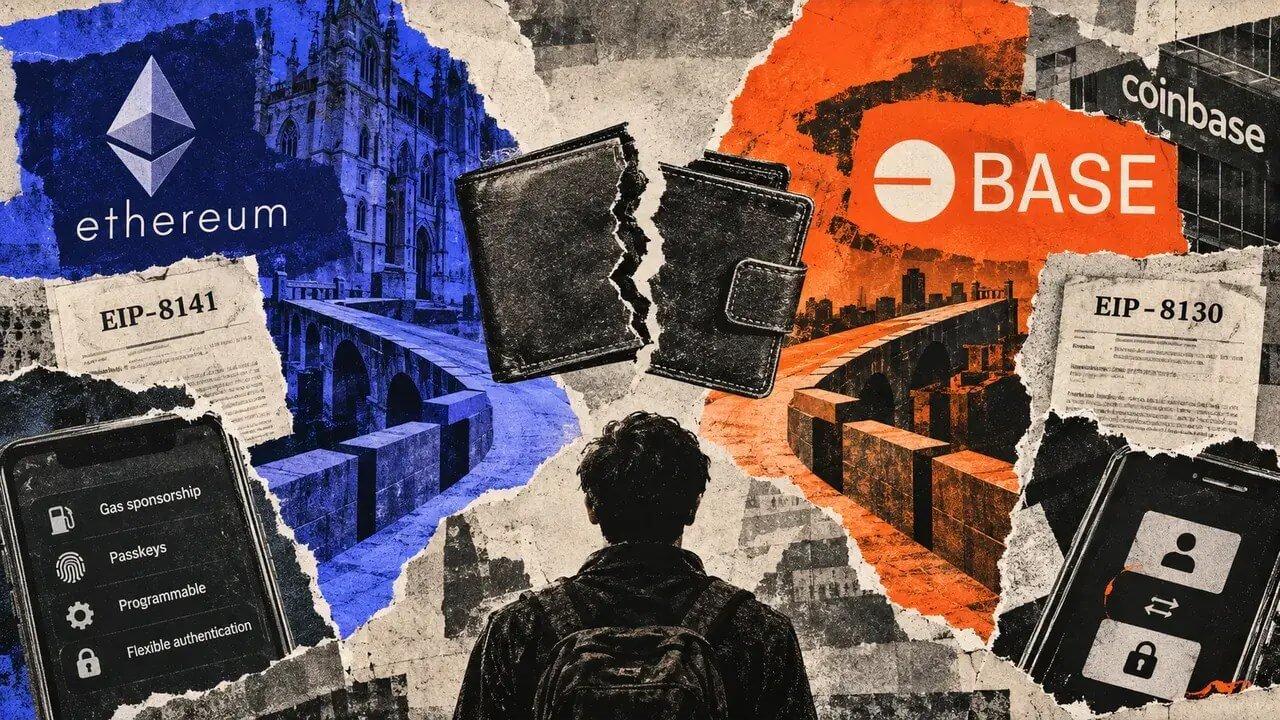
Coinbase-backed Base just exposed the uncomfortable truth about Ethereum’s L2s
Ethereum and Coinbase-backed layer-2 network Base have abandoned an effort to agree on how the next generation of crypto wallets s...

House Financial Services Committee to mark up Strategic Bitcoin Reserve bill on Wednesday
The bill's long-term Bitcoin lockup could significantly impact market scarcity, influencing asset value and federal digital asset...

Ethereum builders face a choice between locking up too much cash or relying on trusted brokers
In a Sept. 8-11 Lido discussion, Commit-Boost contributor Jason Vranek argued that builders funding protocol-backed payments face...

Ethereum Price Prediction: Today’s Clarity Act Could Send ETH Above $3,000
Ethereum price trades at $2,470 today, down 1.8% on the day, as the Clarity Act prediction odds fall to under 20% this week. That...

XRP holders could earn new yield, but getting out may take up to 60 days
Firelight is preparing to turn XRP-linked assets into capital that backs protection for DeFi users, offering holders a new source...