The DeFi mullet: Fintech needs DeFi in the back
Opinion by: Merlin Egalite, co-founder at Morpho LabsFintechs in the front, decentralized finance (DeFi) in the back: the DeFi Mullet.Today’s fintech companies offer excellent user experiences but are constrained by trad...
Archive context
Older archive item. Useful for background and entity history, but not a fresh market-moving signal.
Opinion by: Merlin Egalite, co-founder at Morpho Labs
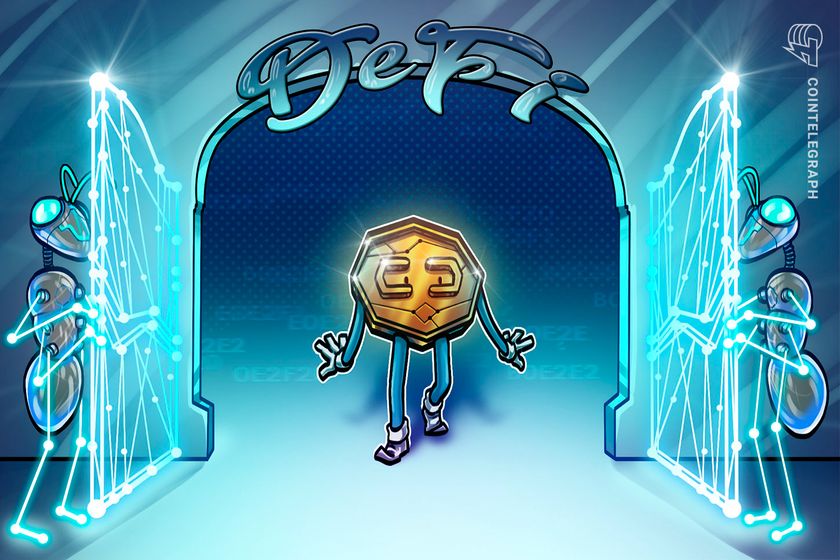
Fintechs in the front, decentralized finance (DeFi) in the back: the DeFi Mullet.
Today’s fintech companies offer excellent user experiences but are constrained by traditional financial infrastructure — siloed, slow, expensive and inflexible. Meanwhile, DeFi provides lightning-fast, cost-effective, interoperable infrastructure but lacks mainstream accessibility.
The solution? Combine fintech’s distribution and user experience with DeFi’s efficient back end.
The mullet is inevitableFintech companies heavily rely on traditional financial (TradFi) infrastructure that is siloed, slow to deploy and run, and costly to maintain. This inefficiency limits their control over costs and product offerings and has potential infrastructure risks. Fintechs have a strong incentive to transition to building on autonomous, credibly neutral public infrastructure.
The power of DeFi is evident in stablecoins. While traditional international wire transfers cost $30–$50 and take one to five business days, stablecoin transfers cost mere cents and settle in seconds. This revolutionary improvement in financial infrastructure extends beyond payments. DeFi provides 24/7/365 infrastructure for trading, lending and borrowing with instant settlement, open access and deep liquidity, enabling better price execution and yields.
Plugging their compliance-ready front end into DeFi infrastructure, fintech companies can focus on creating exceptional user experiences. This opens up tremendous opportunities for innovation while driving more liquidity onchain, creating a positive feedback loop of embracing the DeFi Mullet.
Now is the time for mainstream adoptionToday’s DeFi ecosystem has proven its reliability for fintech integration. There are dozens of protocols that demonstrate this maturity, securely managing billions in loans through immutable, governance-minimized designs. DeFi infrastructure gives fintechs complete control over their infrastructure. This is particularly crucial after the recent Synapse bankruptcy that trapped Yotta user funds meant to be insured by the Federal Deposit Insurance Corporation.
Recent: Bitcoin DeFi will have 300M users, beating Ethereum and Solana: Exec
Institutions are also coming onchain. BlackRock has tokenized a fund via Securitize; Stripe has acquired Bridge for $1 billion to scale its stablecoin solutions; the US is creating a strategic Bitcoin (BTC) reserve; and clarity on regulation is opening the floodgates. The shift is step-by-step but tangible.
DeFi has arrived.
The next phaseFor years to come, expect more products like crypto-backed loans to be released by fintech’s most advanced players, offering onchain saving accounts, onchain loans, instant international payments and more.
This transformation will be invisible to users and powered by smart wallets and account abstraction that maintain the familiar Web2-like user experience at which fintech companies excel. Early adopters will gain significant advantages over competitors.
Yet, unlike building on traditional finance, DeFi’s open infrastructure means even latecomers can benefit from existing network effects without starting from zero.
Some skeptics argue that the involvement of fintechs and traditional institutions will erode decentralization, as protocols must comply with regulatory requirements. While this concern is understandable, the opposite is more likely.
Expecting protocols to achieve compliance across every jurisdiction worldwide is unrealistic, especially given the vast regulatory fragmentation. Instead, regulating the apps that interface with users makes far more sense rather than the underlying protocols. For this regulatory model to work, however, protocols must remain credibly neutral.
A credibly neutral mechanism adheres to four principles:
It embeds no preference for specific individuals or outcomes.
It is open-source with publicly verifiable execution.
It is simple and understandable.
It changes infrequently.
Examples like HTTP and SMTP demonstrate the power of credibly neutral protocols — they are free, open and unregulated, with only the clients subject to oversight. The same logic should apply to governance-minimized, immutable DeFi protocols.
These constraints will push DeFi builders toward creating genuinely decentralized and trustless systems.
Fintechs integrating DeFi protocols can build on top of the most neutral infrastructure and access their growing network effects.
Let the mullet growThe DeFi mullet is more than just a meme — it’s a structural shift.
To scale, DeFi must meet users where they are: through regulated, user-friendly fintech channels. For fintechs to stay relevant, they must offer their customers the best user experience and opportunities, such as the best rates. Those who miss this opportunity risk falling into irrelevance, much like traditional retail banks losing market share to today’s fintechs.
This convergence isn’t just possible — it’s inevitable.
Opinion by: Merlin Egalite, co-founder at Morpho Labs.
This article is for general information purposes and is not intended to be and should not be taken as legal or investment advice. The views, thoughts, and opinions expressed here are the author’s alone and do not necessarily reflect or represent the views and opinions of Cointelegraph.
Why this matters
This blockchain story adds another data point to the current market tape and is useful when read alongside nearby source coverage.
Original source
Read on CointelegraphRelated market context

Audited DeFi protocols lost $885M to attacks that occurred completely outside their audit scopes
In decentralized finance, “audited” is often presented as a verdict on an entire project. In practice, an audit usually covers nam...

Kraken Lets Users Earn DeFi Yield on Nvidia and ETF xStocks
Kraken has launched on-chain yield vaults for three tokenised securities, enabling qualified clients to earn variable rewards from...
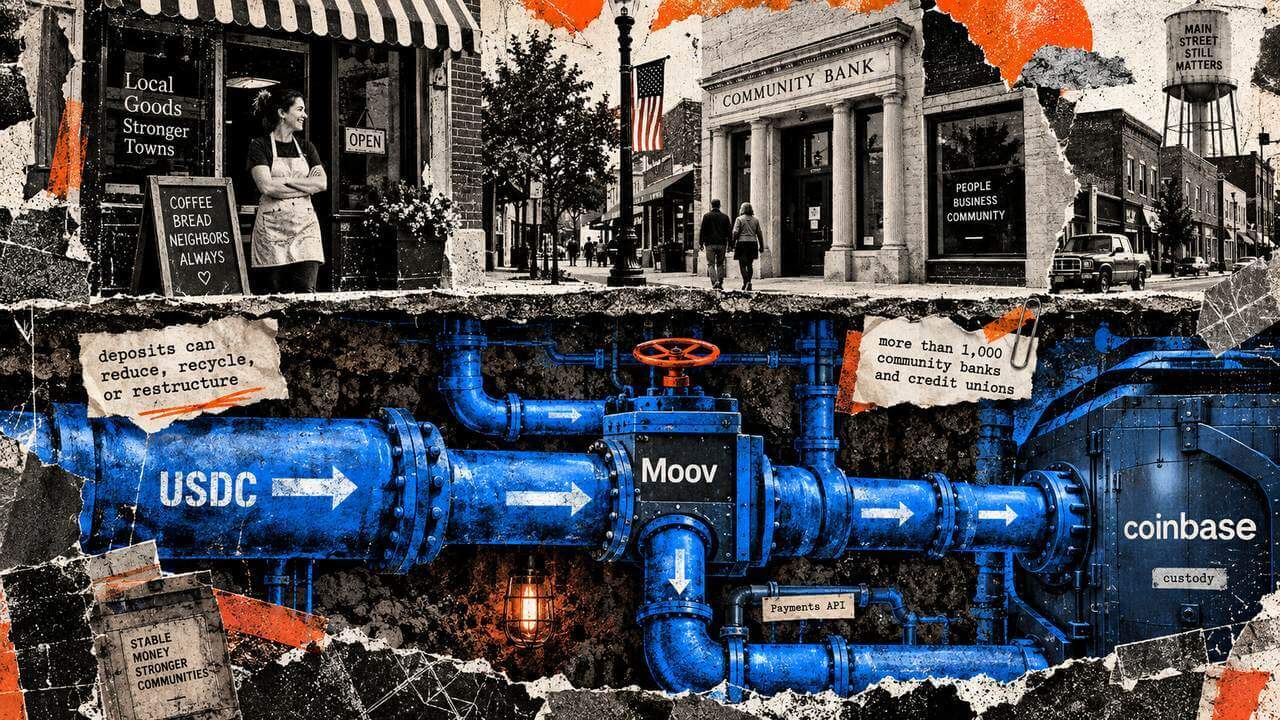
Coinbase gives community banks a stablecoin bridge while supplying infrastructure underneath
Coinbase’s new partnership with payments platform Moov gives community banks and credit unions a route to offer stablecoin service...

Zest Protocol introduces DeFi incentives on Stacks market with monthly STX rewards
Zest Protocol's DeFi incentives could boost user engagement and liquidity on Stacks, enhancing the ecosystem's overall financial a...

Centrifuge assets go live on X Layer, expanding DeFi access to tokenized Treasuries and CLOs
Centrifuge's integration on X Layer enhances DeFi's appeal by bridging traditional finance with blockchain, potentially reshaping...

MEXC Reports 21% MoM Growth in New-Token Traders and 31% Increase in Tokenized Stock Trading Volume in August
Mutsamudu, Comoros, September 14, 2026 – MEXC, a pioneer in 0-fee digital asset trading, has released its August trading data for...