The Future of Decentralized Finance (DeFi) and Investment Opportunities
DeFi’s Rapid Growth and Market Expansion The DeFi ecosystem has expanded rapidly since its inception, with new projects and platforms emerging almost daily. In 2023, the DeFi market experienced an annual growth rate of 4...
Archive context
Older archive item. Useful for background and entity history, but not a fresh market-moving signal.

The DeFi ecosystem has expanded rapidly since its inception, with new projects and platforms emerging almost daily. In 2023, the DeFi market experienced an annual growth rate of 40%, a testament to its increasing adoption and integration into the broader financial system. This growth can be attributed to the sector’s ability to offer higher yields, greater transparency, and more accessible financial services compared to traditional systems. For investors, this rapid expansion presents numerous opportunities to capitalize on the evolving market.
Innovative DeFi Solutions: Lending, Borrowing, and StakingDeFi platforms offer innovative solutions for traditional financial services, with lending, borrowing, and staking being among the most prominent. Decentralized lending platforms, such as Aave and Compound, allow users to lend their assets and earn interest or borrow assets by providing collateral. These platforms often provide better interest rates compared to traditional banks due to their decentralized nature. As of mid-2024, Aave alone has facilitated over $10 billion in loans, showcasing its significant impact on the lending market.
Staking, another key DeFi innovation, involves locking up cryptocurrencies, including the best cryptocurrency to invest in today, to support network operations in exchange for rewards. Staking platforms, such as Ethereum 2.0 and Polkadot, offer attractive returns, often higher than traditional investment vehicles. With Ethereum’s transition to a proof-of-stake (PoS) consensus mechanism, staking has become a prominent way for investors to earn passive income while supporting network security.
The Role of Decentralized Exchanges (DEXs)Decentralized Exchanges (DEXs) are crucial components of the DeFi ecosystem, enabling users to trade cryptocurrencies directly with one another without intermediaries. Platforms like Uniswap and SushiSwap have revolutionized trading by providing liquidity and reducing fees associated with traditional exchanges. Uniswap, for instance, has facilitated over $1 trillion in trades since its launch, reflecting its widespread use and trust within the crypto community.
The rise of DEXs also highlights the growing trend of decentralized liquidity pools, where users can earn fees by providing liquidity to various trading pairs. This innovation has not only democratized trading but also created new investment opportunities for those willing to participate in liquidity provision.
Challenges and Risks in DeFiWhile DeFi offers numerous advantages, it is not without risks. Security vulnerabilities, smart contract bugs, and regulatory uncertainties pose significant challenges. In 2023 alone, DeFi protocols experienced over $1 billion in losses due to hacks and exploits. The rapid pace of innovation means that new security issues can arise quickly, underscoring the need for investors to exercise caution and perform thorough due diligence.
Regulatory uncertainty is another concern, as governments and financial authorities continue to grapple with how to regulate DeFi. Changes in regulations could impact the functionality and profitability of DeFi platforms, making it essential for investors to stay informed about potential regulatory developments.
The Future of DeFi: Emerging TrendsSeveral emerging trends are poised to shape the future of DeFi. One notable trend is the integration of DeFi with traditional finance (TradFi), which could lead to more mainstream adoption and increased legitimacy. Collaborations between DeFi projects and traditional financial institutions are already underway, aiming to bridge the gap between the two sectors.
Another significant trend is the growth of decentralized autonomous organizations (DAOs), which allow users to participate in governance and decision-making processes within DeFi projects. DAOs are becoming increasingly popular as they provide a democratic approach to managing and developing DeFi platforms, aligning the interests of all stakeholders.
Finally, the integration of artificial intelligence (AI) and machine learning into DeFi platforms is expected to enhance predictive analytics and risk management. AI-driven DeFi solutions could offer more sophisticated trading strategies, credit scoring, and fraud detection, further advancing the capabilities of decentralized finance.
Investment Opportunities in DeFiFor investors looking to capitalize on the DeFi boom, several opportunities are worth exploring. Investing in established DeFi platforms, such as Uniswap, Aave, and Compound, can provide exposure to the sector’s growth and innovation. Additionally, participating in early-stage DeFi projects through Initial DEX Offerings (IDOs) or decentralized venture funds can offer high potential returns, albeit with increased risk.
Staking and yield farming are also attractive investment strategies within DeFi. By staking assets in PoS networks or providing liquidity to decentralized exchanges, investors can earn passive income while supporting the DeFi ecosystem. However, it’s crucial to assess the risks and rewards associated with each strategy to make informed investment decisions.
Conclusion: Navigating the DeFi LandscapeThe future of Decentralized Finance (DeFi) is filled with exciting possibilities and investment opportunities. As the sector continues to evolve, staying informed about emerging trends and understanding the risks involved are essential for making sound investment decisions. With its rapid growth, innovative solutions, and potential for disruption, DeFi offers a dynamic and evolving landscape for both seasoned and new investors alike. As always, due diligence and strategic planning are key to navigating the DeFi space successfully.
Why this matters
This blockchain story adds another data point to the current market tape and is useful when read alongside nearby source coverage.
Original source
Read on Brave New CoinRelated market context
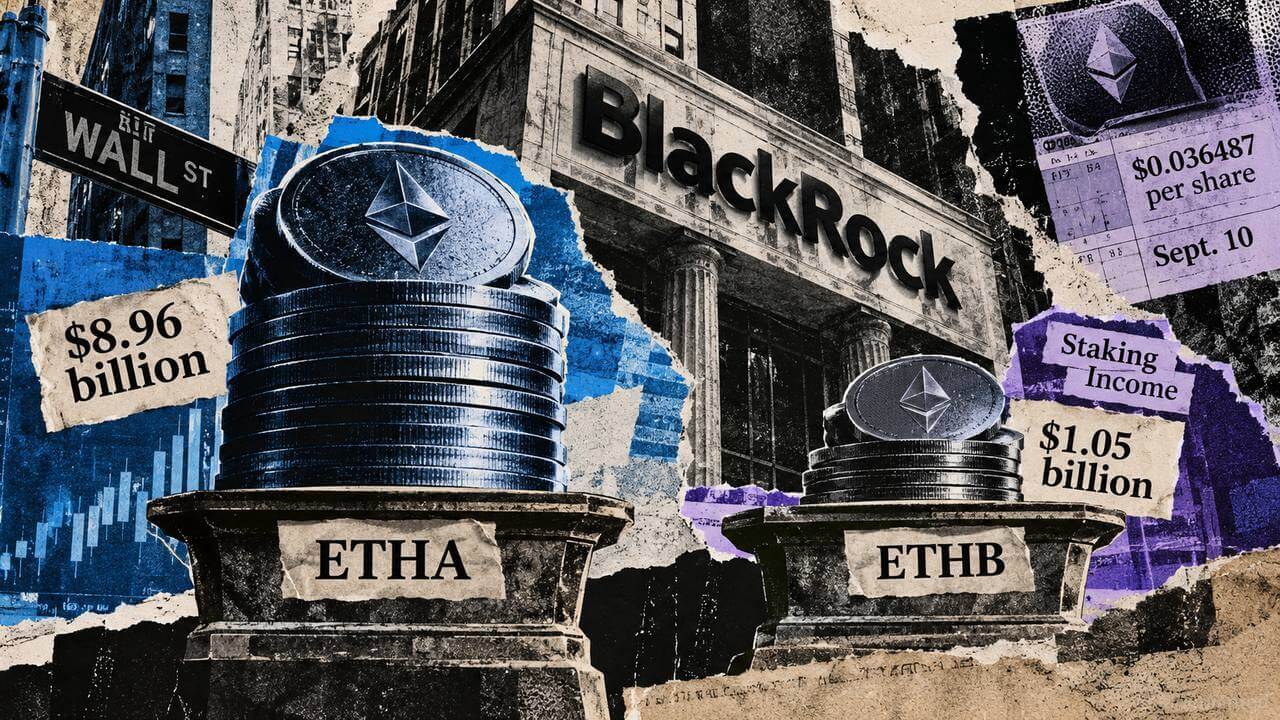
BlackRock’s staking Ethereum ETF pays yield but investors still prefer its $9 billion ETHA fund
Staking was supposed to strengthen Ethereum exchange-traded funds (ETFs), but BlackRock’s early results show investors still favor...

MEXC Reports 21% MoM Growth in New-Token Traders and 31% Increase in Tokenized Stock Trading Volume in August
Mutsamudu, Comoros, September 14, 2026 – MEXC, a pioneer in 0-fee digital asset trading, has released its August trading data for...

Kraken Lets Users Earn DeFi Yield on Nvidia and ETF xStocks
Kraken has launched on-chain yield vaults for three tokenised securities, enabling qualified clients to earn variable rewards from...
Morgan Stanley’s Bitcoin Investment Recommendation Explained w/ Amy Oldenburg
Bitcoin Magazine Morgan Stanley’s Bitcoin Investment Recommendation Explained w/ Amy Oldenburg Morgan Stanley became the first glo...

Zest Protocol introduces DeFi incentives on Stacks market with monthly STX rewards
Zest Protocol's DeFi incentives could boost user engagement and liquidity on Stacks, enhancing the ecosystem's overall financial a...
A Bitcoin Berkshire Model: Orange Juice
Bitcoin Magazine A Bitcoin Berkshire Model: Orange Juice The corporate Bitcoin landscape is currently dominated by a single, aggre...