The Quiet $100 Billion Blockchain Takeover You Probably Missed
While everyone’s watching memecoins and ETF approvals, the real action in crypto is happening behind the scenes—deep in the vaults of traditional finance. A new report co-authored by Ripple, CB Insights, and the UK Centr...
Archive context
Older archive item. Useful for background and entity history, but not a fresh market-moving signal.

While everyone’s watching memecoins and ETF approvals, the real action in crypto is happening behind the scenes—deep in the vaults of traditional finance. A new report co-authored by Ripple, CB Insights, and the UK Centre for Blockchain Technologies drops a bombshell that should surprise no one paying attention:
Banks have poured over $100 billion into blockchain infrastructure since 2020.
Read the full report here
The report, titled “Banking on Digital Assets,” surveyed over 1,800 financial leaders and analyzed 10,000+ blockchain-related deals over the past four years. It confirms what the suits and spreadsheets have known for a while: blockchain is no longer a sandbox experiment. It’s becoming the core infrastructure layer for the future of finance.
From Risky to RailwaysBetween 2020 and 2024, traditional financial institutions participated in 345 blockchain deals. Not venture tourists. Not crypto-native whales. We’re talking about household-name banks, pouring capital into boring—but essential—stuff like:
- Cross-border payment rails
- Tokenization platforms
- Custody solutions
- On-chain foreign exchange (FX)
That’s Wall Street speak for “moving money fast without paying five middlemen.”
Nearly 25% of all these investments focused on infrastructure providers—the backend builders powering settlement layers, asset issuance, and blockchain-based compliance tools. This isn’t about flipping JPEGs. It’s about reconstructing the global financial system’s backbone.
Gold, Stablecoins, and Quantum MoneyThe report drops a few institutional name bombs, too:
- HSBC is already running a tokenized gold platform.
- Goldman Sachs has GS DAP, a blockchain-based settlement engine that’s as dry and powerful as it sounds.
- SBI (yes, that Japanese banking giant) is tinkering with quantum-resistant digital currency—because why not future-proof before the quantum apocalypse?
More than 65% of banks are actively exploring digital asset custody, and stablecoins + tokenized real-world assets are top of mind. But don’t expect a Coinbase clone from your local branch anytime soon—less than 20% of banks are even considering retail crypto trading. For now, they’re focused on rails, not retail.
The Real Pivot: From Speculation to InfrastructureRipple’s spin is clear: this is the infrastructure phase of blockchain adoption. Less “Wen Lambo?” and more “Wen settlement finality in T+0?”
The narrative is shifting from token speculation to tokenization of real-world assets (RWAs), and banks are building for a world where money, securities, and contracts are all native to the internet. This isn’t about decentralizing Wall Street. It’s about upgrading it.
Even in a regulatory fog, the momentum is real: two-thirds of surveyed institutions say they expect to launch a digital asset initiative within the next three years. We’re talking tokenized bonds, interoperable CBDC platforms, programmable stablecoins—the full stack.
And while the U.S. dithers, the UAE, India, and Singapore are outpacing the West in deployment. The East isn’t just adopting faster—they’re leading.
The Big Picture: This Isn’t a Crypto Comeback. It’s a Redesign.This isn’t the same old crypto hype cycle with new packaging. The $100 billion invested isn’t about chasing the next Dogecoin. It’s about re-engineering how money moves, how assets are issued, and how financial institutions talk to each other in real-time.
In other words: the banks are going on-chain. Not for clout, not for speculation—but because the alternative is getting left behind.
And Ripple, naturally, positions itself as the go-to enterprise blockchain for this shift. Whether that narrative sticks long-term is up for debate. But what’s not debatable is this: blockchain is quietly becoming the TCP/IP of finance.
So next time someone says “crypto is dead,” tell them to check the balance sheets of HSBC and Goldman. Or better yet—ask them what powers their international wire transfers in 2028. It might be a good time to buy crypto.
Why this matters
This blockchain story adds another data point to the current market tape and is useful when read alongside nearby source coverage.
Original source
Read on Brave New CoinRelated market context

Grayscale launches model portfolios to simplify digital asset investing for financial advisors
Grayscale's model portfolios could drive increased crypto adoption among financial advisors, reshaping digital asset distribution...
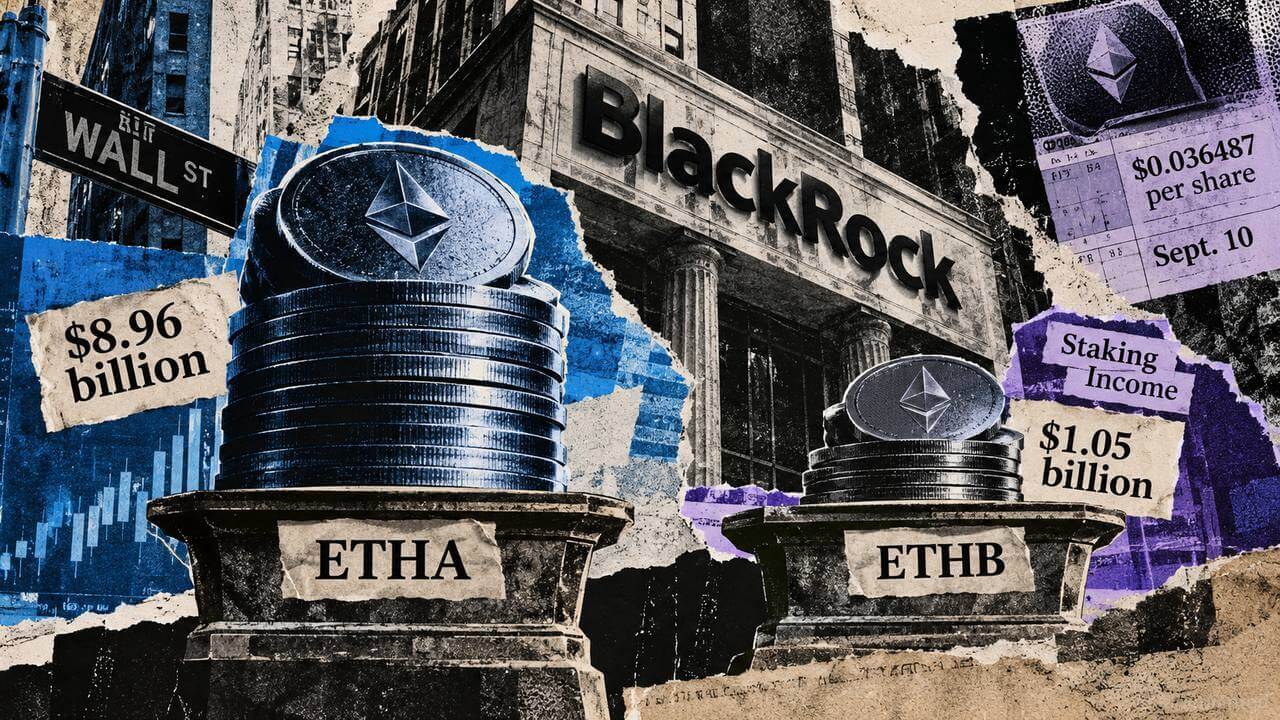
BlackRock’s staking Ethereum ETF pays yield but investors still prefer its $9 billion ETHA fund
Staking was supposed to strengthen Ethereum exchange-traded funds (ETFs), but BlackRock’s early results show investors still favor...

Centrifuge to release RWA report on tokenized money market funds’ structural differences
The report highlights the critical need for improved composability and regulatory clarity to fully integrate tokenized funds into...
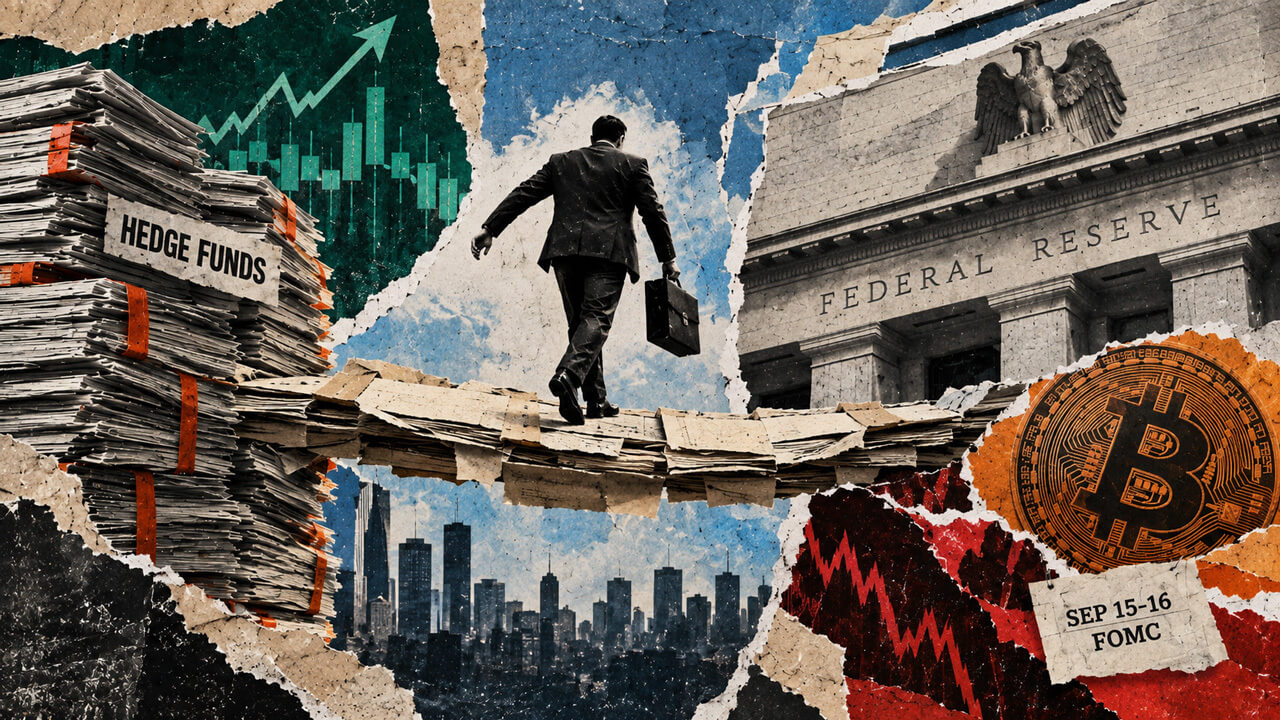
Fed data shows hedge funds added $400 billion before Bitcoin’s September rate test
Newly released Federal Reserve data show domestic hedge funds expanded their gross balance sheets during the second quarter, month...

MEXC Reports 21% MoM Growth in New-Token Traders and 31% Increase in Tokenized Stock Trading Volume in August
Mutsamudu, Comoros, September 14, 2026 – MEXC, a pioneer in 0-fee digital asset trading, has released its August trading data for...

CLARITY Act Nears Senate Showdown: Crypto’s Long Wait for US Rules Reaches a Critical Vote
For cryptocurrency businesses waiting for Washington to settle how their industry should be regulated, the next hurdle comes down...