Tokenization and Investing: A Look at Tomorrow's Democratized Landscape
In recent years, the financial landscape has witnessed the rise of blockchain technology and its potential to revolutionize various industries. One of the most promising applications of blockchain is tokenization, a proc...
Archive context
Older archive item. Useful for background and entity history, but not a fresh market-moving signal.

In recent years, the financial landscape has witnessed the rise of blockchain technology and its potential to revolutionize various industries. One of the most promising applications of blockchain is tokenization, a process that involves representing real-world assets as digital tokens on a blockchain network. This innovation has the power to democratize investing, providing new opportunities for a broader range of investors to participate in previously exclusive asset classes. In this article, we explore how tokenization is transforming the investment landscape, its benefits, and the potential challenges that lie ahead.
A Game-Changer for Investors: What is Tokenization?Tokenization is the process of converting physical or financial assets, such as real estate, fine art, stocks, or bonds, into digital tokens on a blockchain network. Each token represents a fractional ownership of the underlying asset, allowing investors to own a portion of valuable assets that were once out of their reach. This fractional ownership creates new opportunities for investors to diversify their portfolios and gain exposure to previously illiquid and exclusive asset classes.
The Democratization of Asset OwnershipOne of the most significant advantages of tokenization is its ability to democratize asset ownership. Historically, high-value assets like commercial real estate or rare artwork were typically accessible only to wealthy and institutional investors. However, by dividing these assets into digital tokens, the entry barrier lowers significantly, enabling a broader range of investors to participate and share in potential returns.
Increased Liquidity and Market EfficiencyTokenization also enhances asset liquidity, making traditionally illiquid assets more accessible for investors. Digital tokens can be bought, sold, and traded on blockchain-based marketplaces, reducing the time and costs associated with traditional asset transactions. This increased liquidity enhances market efficiency and provides investors with more flexibility to adjust their investment positions as needed.
24/7 Market Access and Global ReachBlockchain-powered platforms for tokenized assets operate 24/7, providing investors with continuous market access. Unlike traditional financial markets with specific trading hours, investors can buy, sell, or trade digital tokens at any time, enabling greater responsiveness to market movements and opportunities. Additionally, tokenization opens up investment opportunities on a global scale, allowing investors from various regions to participate in asset ownership without geographic limitations.
Fractional Ownership: Breaking Down BarriersThe concept of fractional ownership is at the core of tokenization's democratization potential. Instead of having to purchase an entire asset, investors can buy fractions of tokens, enabling them to diversify their investments across multiple assets. Fractional ownership lowers the financial barriers to entry and empowers investors with more control over their portfolios, fostering financial inclusion and diversity in investment strategies.
Real Estate Tokenization: Unlocking Property InvestmentOne of the most promising applications of tokenization is in the real estate sector. By tokenizing real estate properties, developers and property owners can raise capital more efficiently by offering digital tokens to a broader pool of investors. This method of crowdfunding real estate projects can benefit both developers and investors, promoting more extensive participation in the lucrative real estate market.
Regulatory ChallengesDespite its potential benefits, tokenization faces regulatory challenges that need to be addressed to foster widespread adoption. Different jurisdictions may have varying regulations surrounding the issuance and trading of digital tokens, requiring clear legal frameworks to ensure investor protection and market integrity. Regulators are working to strike a balance between encouraging innovation and safeguarding investors, which will be critical for the sustainable growth of tokenized assets.
Security and Cybersecurity ConcernsTokenization relies heavily on blockchain technology, and while blockchain is known for its robust security features, it is not entirely immune to cyber threats. Hacking incidents and security breaches could potentially expose tokenized assets to risks, necessitating robust security measures and constant vigilance to safeguard investors' interests.
The Future of Investing: Tokenization in PracticeHistorically, investing in high-value assets, such as real estate, fine art, or venture capital projects, was a privilege limited to wealthy individuals and institutional investors. Tokenization changes this dynamic by breaking down these assets into digital tokens, each representing a fraction of the whole. This fractional ownership model empowers retail investors to participate in ownership and gain exposure to exclusive asset classes previously out of reach.
As tokenization gains momentum, various industries are exploring its potential to transform traditional investment practices as it offers an innovative approach to unlock liquidity and democratize access to valuable assets. By leveraging blockchain's transparency and fractional ownership, tokenization paves the way for a more inclusive and efficient investment ecosystem.Wrapping upTokenization is poised to revolutionize the investment landscape, offering new possibilities for investors to diversify their portfolios and access once-exclusive asset classes. With blockchain technology as its foundation, tokenization empowers retail investors with fractional ownership and 24/7 market access, fostering financial inclusion and democratizing investing like never before.
While regulatory challenges and security concerns remain, the potential benefits of tokenization seem to outweigh the hurdles. As the financial industry continues to embrace this transformative technology, investors and stakeholders must collaborate with regulators to establish clear guidelines and create a sustainable and secure tokenized asset market. The democratization of investing through tokenization marks a significant step towards a more equitable and accessible financial future for all.
This article was written by FM Contributors at www.financemagnates.com.Why this matters
This blockchain story adds another data point to the current market tape and is useful when read alongside nearby source coverage.
Original source
Read on Finance MagnatesRelated market context

MEXC’s September 2026 Proof of Reserves Reaffirms Full Backing of User Assets, BTC Reserve Ratio Increases to 297%
Mutsamudu, Comoros, September 15, 2026 – MEXC, a pioneer in 0-fee digital asset trading, has released its September 2026 Proof of...

BlackRock’s digital assets chief to speak at Bitcoin Treasuries Conference in New York City
BlackRock's involvement signals growing institutional interest in Bitcoin, potentially influencing corporate strategies and market...

Grayscale launches model portfolios to simplify digital asset investing for financial advisors
Grayscale's model portfolios could drive increased crypto adoption among financial advisors, reshaping digital asset distribution...
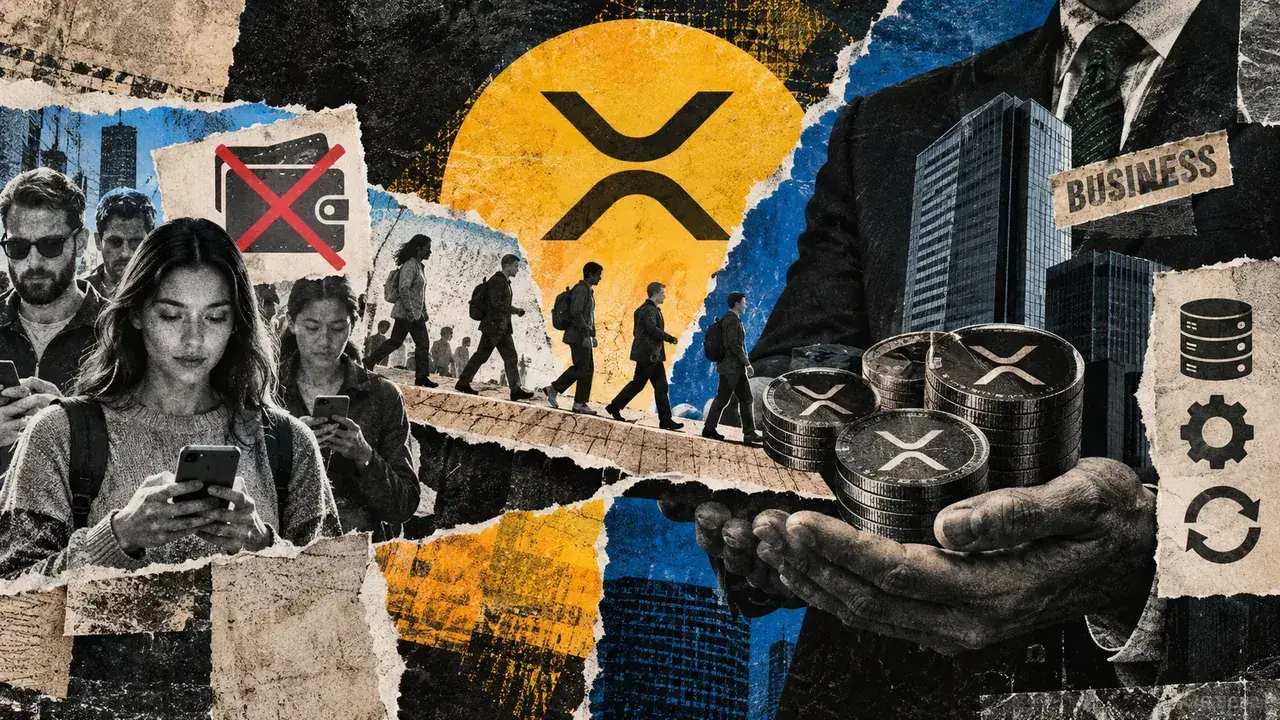
A new XRPL upgrade could concentrate XRP ownership inside banks instead of retail wallets
A proposed XRP Ledger (XRPL) upgrade could let banks and fintechs absorb XRP costs so customers never need to hold the token. The...
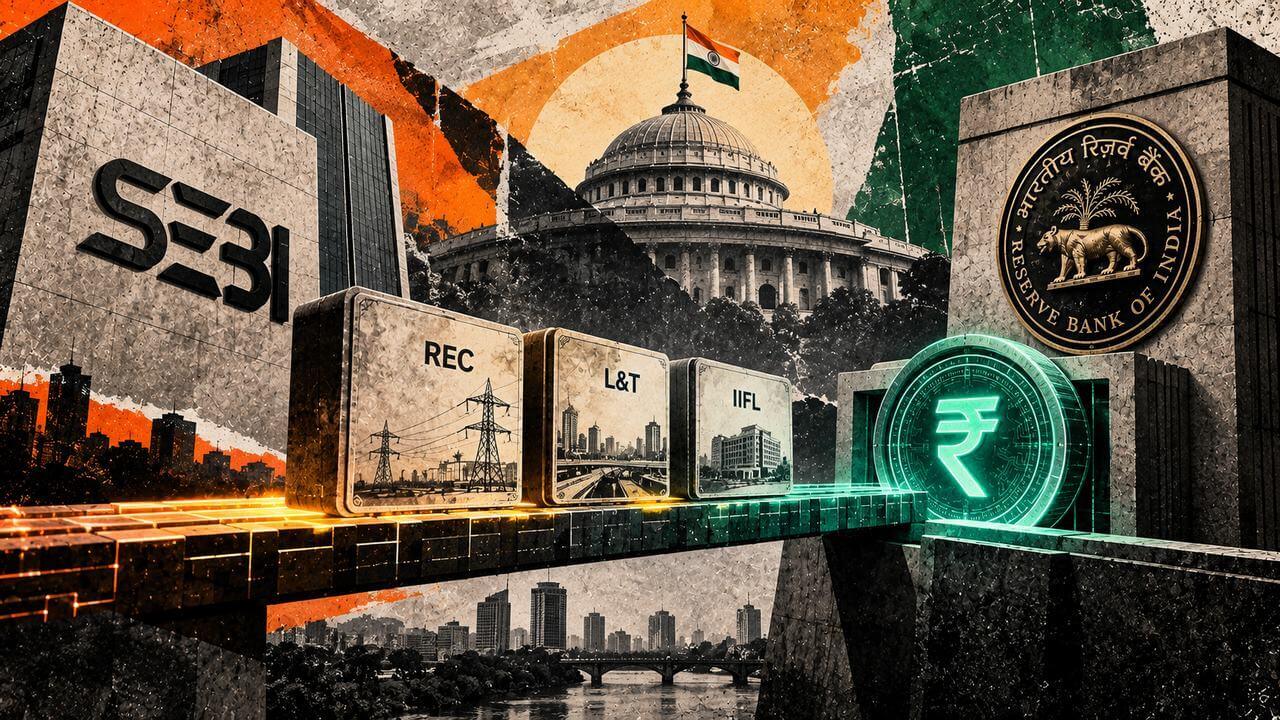
India’s tokenized bond pilot starts with institutions, with retail access planned next
India’s securities regulator has launched a pilot that places corporate bonds and their cash settlement on linked digital rails, m...
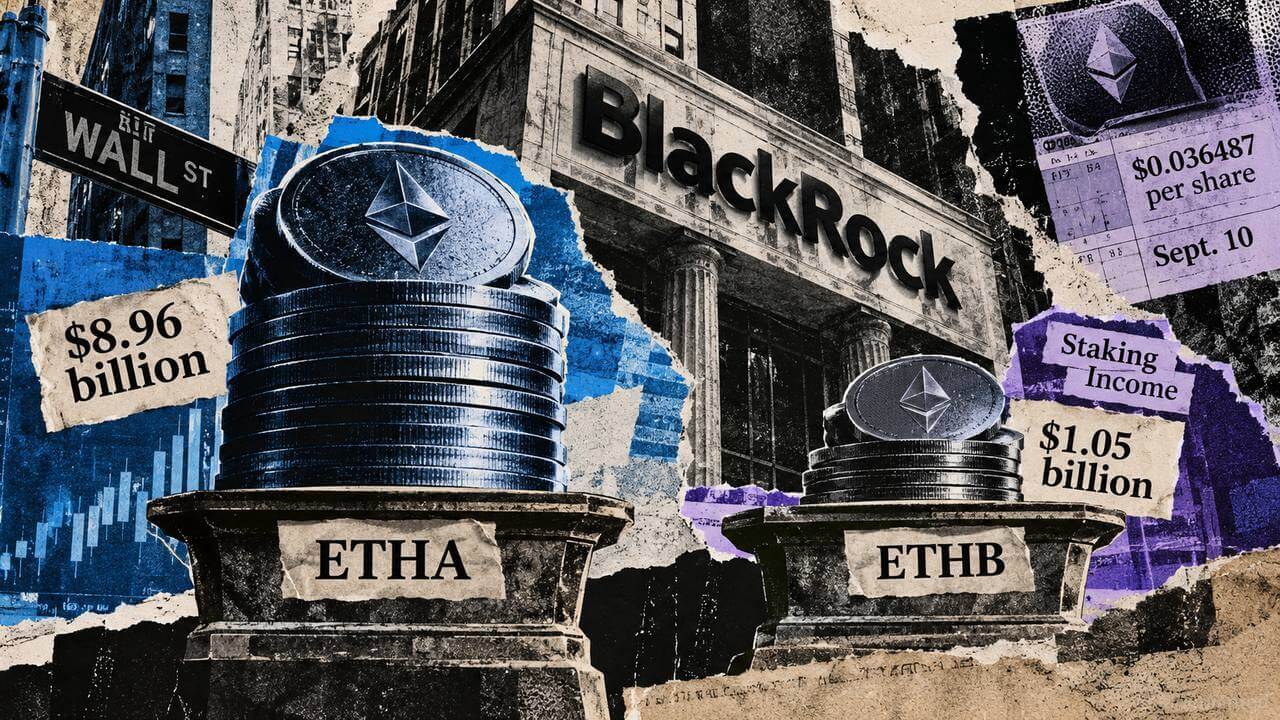
BlackRock’s staking Ethereum ETF pays yield but investors still prefer its $9 billion ETHA fund
Staking was supposed to strengthen Ethereum exchange-traded funds (ETFs), but BlackRock’s early results show investors still favor...