US House follows Senate in passing resolution to kill IRS DeFi broker rule
The US House of Representatives has voted in favor of nullifying a rule that would have required decentralized finance (DeFi) protocols to report to the Internal Revenue Service.On March 11, the House of Representatives...
Archive context
Older archive item. Useful for background and entity history, but not a fresh market-moving signal.
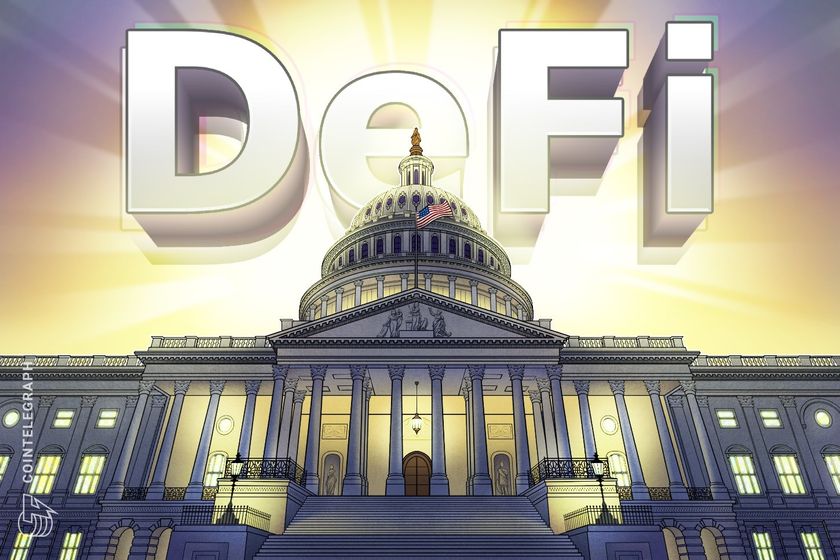
The US House of Representatives has voted in favor of nullifying a rule that would have required decentralized finance (DeFi) protocols to report to the Internal Revenue Service.
On March 11, the House of Representatives voted 292 for and 132 against a motion to repeal the so-called IRS DeFi broker rule that aimed to expand existing IRS reporting requirements to crypto.
All 132 votes to keep the rule were Democrats. However, 76 of those in the party joined the Republican vote to repeal it.
This follows the US Senate’s March 4 vote on the motion to repeal, which saw it pass with a vote of 70 to 27.
The rule would force DeFi platforms, such as decentralized exchanges, to disclose gross proceeds from crypto sales, including information regarding taxpayers involved in the transactions.
Speaking after the vote, Republican Representative Mike Carey, who submitted the repeal motion, said, “The DeFi broker rule invades the privacy of tens of millions of Americans, hinders the development of an important new industry in the United States and would overwhelm the IRS.”
Congressman Mike Carey speaking after the vote. Source: Mike Carey
House Financial Services Committee Chairman French Hill also applauded the overturning of the rule, calling it “a clear example of government overreach that threatens to push American digital asset development overseas.”
The resolution will need to pass another Senate vote before being sent to President Donald Trump, who has signaled he’d support it.
Those opposing the rule repeal included Democrat Representative Lloyd Doggett, who said getting a “special interest exemption” from IRS disclosures “makes tax evasion and money laundering so much easier for wealthy Republican donors who have been using these decentralized exchanges.”
He claimed killing the rule would create a “loophole that would be exploited by wealthy tax cheats, drug traffickers and terrorist financiers.”
Related: US lawmakers advance resolution to repeal ‘unfair’ crypto tax rule
In early March, White House AI and crypto czar David Sacks said the administration would support congressional efforts to rescind the DeFi broker rule.
At the time, officials from the Office of Management and Budget wrote, “This rule … would stifle American innovation and raise privacy concerns over the sharing of taxpayers’ personal information while imposing an unprecedented compliance burden on American DeFi companies.”
Magazine: Mystery celeb memecoin scam factory, HK firm dumps Bitcoin: Asia Express
Why this matters
This blockchain story adds another data point to the current market tape and is useful when read alongside nearby source coverage.
Original source
Read on CointelegraphRelated market context

CLARITY Act Nears Senate Showdown: Crypto’s Long Wait for US Rules Reaches a Critical Vote
For cryptocurrency businesses waiting for Washington to settle how their industry should be regulated, the next hurdle comes down...

White House Agrees to Major Crypto Ethics rules in a last-minute push to save the CLARITY Act
Senate Republicans have released another round of revisions to the CLARITY Act as they seek Democratic support ahead of a Septembe...
White House crypto adviser feels ‘very good’ ahead of Senate Clarity Act vote on Tuesday
The White House's top crypto advisor says he feels "very good" about an initial vote in the Senate on cryptocurrency legislation o...

Senate to vote on Crypto Clarity Act, defining SEC and CFTC roles
The Senate vote on the Crypto Clarity Act could reshape U.S. digital asset regulation, impacting market dynamics and regulatory cl...
XRP Leads a Broad Crypto Bid on the Eve of a Senate Vote and a Fed Decision
Crypto extended its gains through the U.S. session on Monday while equities and gold stayed lower, ahead of a Senate vote on marke...

Senate Republicans narrow Blockchain Regulatory Certainty Act, removing criminal protections
The revised act's removal of criminal protections may deter blockchain innovation, as developers face increased legal uncertaintie...