100 Companies Fail to Obtain Crypto Licenses in Singapore Due to Tough Regulation
More than 100 companies that applied for a license to offer crypto services in Singapore have either been turned down or withdrawn their applications. “Cryptocurrencies could be abused for money laundering, terrorism fin...
Archive context
Older archive item. Useful for background and entity history, but not a fresh market-moving signal.
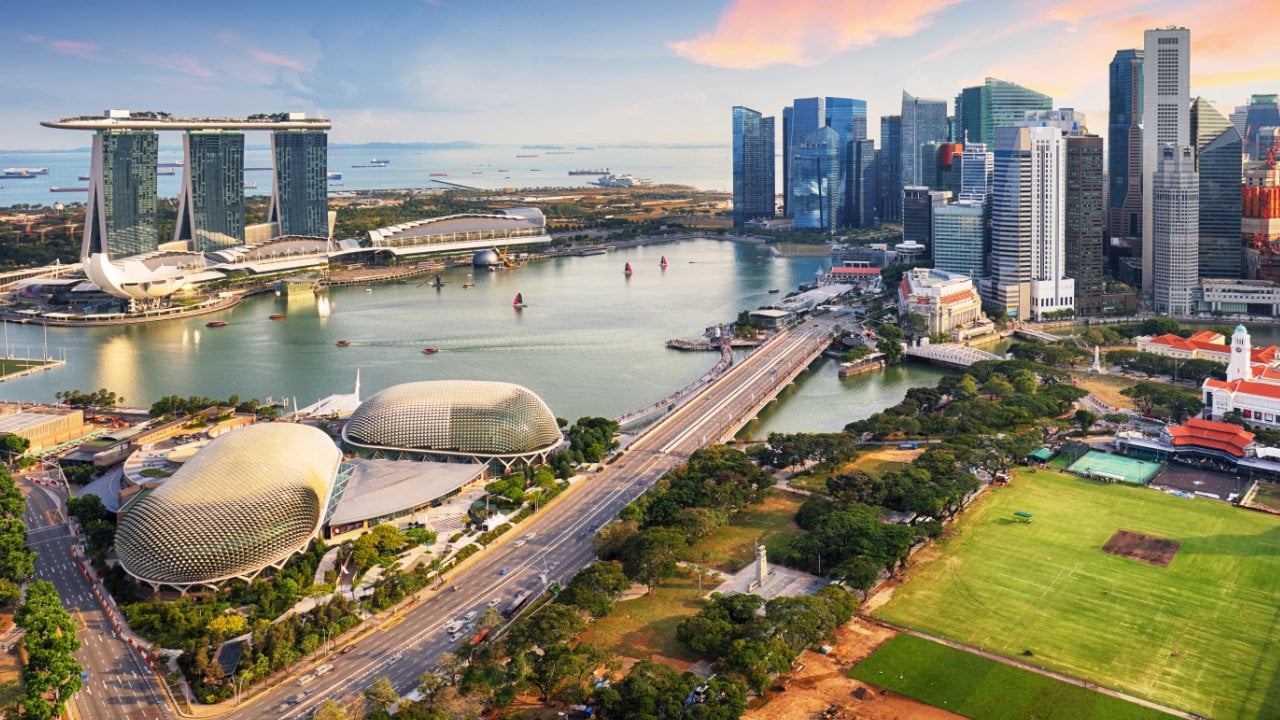
More than 100 companies that applied for a license to offer crypto services in Singapore have either been turned down or withdrawn their applications. “Cryptocurrencies could be abused for money laundering, terrorism financing, or proliferation financing due to the speed and cross-border nature of the transactions,” said the country’s central bank, the Monetary Authority of Singapore (MAS).
Tough Crypto Regulation in Singapore
Since Singapore began regulating the crypto sector, about 170 companies have applied for a license to offer “digital payment token services,” which include crypto-related services.
However, more than 100 companies that applied for a license have either been turned down or withdrawn their applications, Nikkei Asia reported Monday.
Companies that were operating in the country prior to the introduction of the licensing regime were granted exemptions until their license applications have been processed. Senior Minister Tharman Shanmugaratnam told parliament in July that 90 companies were operating under such exemptions.
A spokesperson for the Monetary Authority of Singapore (MAS), the country’s central bank and regulator of the crypto sector, told the news outlet: “Cryptocurrencies could be abused for money laundering, terrorism financing, or proliferation financing due to the speed and cross-border nature of the transactions.” The spokesperson elaborated:
Digital payment token service providers in Singapore … have to comply with requirements to mitigate such risks, including the need to carry out proper customer due diligence, conduct regular account reviews, and monitor and report suspicious transactions.
So far, only three companies are listed as licensed entities on the MAS website: DBS Vickers Securities, a unit of DBS Group Holdings, Southeast Asia’s largest bank; digital payments startup FOMO Pay; and Australia’s Independent Reserve. The MAS said in November that Singapore strives to become a global crypto hub.
DBS’s head of capital markets and the chairperson of the bank’s crypto exchange said in September: “We are growing very rapidly. Investors are gradually exploring cryptocurrencies and digital assets.”
In September, the central bank ordered Binance to stop providing crypto services to residents. Last week, Binance announced that its Singapore platform will be shutting down.
Binance CEO Changpeng Zhao (CZ) claimed that the reason behind the closure of its Singaporean exchange was due to an 18% stake in Hg Exchange (HGX), a regulated securities exchange in Singapore. However, Bloomberg reported that the real reason was because Binance could not meet the requirements for a license to operate a crypto exchange.
What do you think about Singapore’s tough crypto regulation? Let us know in the comments section below.
Why this matters
This cryptocurrency story adds another data point to the current market tape and is useful when read alongside nearby source coverage.
Original source
Read on Bitcoin NewsRelated market context
Chainlink And LG CNS Target South Korean Banks With Digital Asset Infrastructure Deal
TL;DR: Chainlink and LG CNS are partnering on oracle and cross-chain infrastructure aimed at South Korea’s financial institutions;...
Bybit Wins Dubai VARA Approval For Spot Crypto Exchange Services
TL;DR: Bybit says its Dubai entity has secured a VARA virtual-asset service provider licence covering spot exchange activity; deri...
Irish Central Bank Fines Coinbase Unit €3.25 Million Over Customer Fund Safeguards
TL;DR: Ireland’s central bank imposed a €3.25 million penalty on Coinbase Ireland over electronic-money safeguarding and outsourci...
Bank of Korea Wants Stablecoins Written Into Forex Law as Crypto Bill and Tax Fight Come to a Head
Bitcoin Magazine Bank of Korea Wants Stablecoins Written Into Forex Law as Crypto Bill and Tax Fight Come to a Head The Bank of Ko...
Singapore, Malaysia and Thailand central banks expand cross-border stablecoin initiative involving Ripple, Visa and Mastercard
Malaysia and Thailand have joined Singapore's BLOOM initiative for cross-border stablecoin and tokenized deposit settlement.
Bloomberg Adds Basel Crypto Exposure Classification For Banks And Asset Managers
TL;DR: Bloomberg has expanded its crypto analytics to classify bank exposure under Basel standards, including indirect holdings hi...