66% Of Top Smart Contracts On Base Have One Big Problem
14/21, or 66%, of the top gas-consuming smart contracts on Base, a layer-2 platform for building and deploying smart contracts, are unverified. According to Token Terminal data on October 24, the same contracts are some...
Archive context
Older archive item. Useful for background and entity history, but not a fresh market-moving signal.

14/21, or 66%, of the top gas-consuming smart contracts on Base, a layer-2 platform for building and deploying smart contracts, are unverified. According to Token Terminal data on October 24, the same contracts are some of the most actively used, reading from gas fee trends over the last month.
Friend.tech Leads The Gas Race On BaseBase is a layer-2 scaling solution and one of OP Mainnet and Arbitrum’s competitors. The platform relies on the Optimistic Rollup technique, allowing transactions to be batched off-chain before being confirmed on the mainnet. This is the same approach competitors, including Arbitrum and OP Mainnet, adopted.
As of October 24, the most gas-consuming protocol already labeled and known to be deployed from a given developer is Friend.tech. Still, the developer remains anonymous.
The decentralized social media protocol allows users to buy and sell keys to each other’s X accounts. In this way, trading parties can access exclusive in-app chatrooms and content by a given user.
By deploying on Base, Friend.tech users enjoy lower trading fees than they would have launched on the mainnet. Beyond fees, the protocol can also scale since the layer-2 solution can handle higher throughput than the mainnet.
In the last month, Friend.tech generated over $253,000 in gas fees. The execution fee, often known as layer-2 fee, on Base, which uses Optimism, is set by the network and is flat.
The fee prevents users from spamming the network and rewards nodes that prove all transactions submitted on the platform. The other fee is the approximate for confirming the same transaction batch on the mainnet. This fee is generally higher than the execution fee.
The Case Of Popular But Unverified Smart ContractsWhile gas fees generated by Friend.tech is over $253,000, it is down over 47% in the last month. This could suggest that trading activity fell since the fee generated by a network is directly proportional to how frequently it is used.
Friend.tech fees, when writing, remain suppressed, underperforming the activity of unverified smart contracts, looking at fees generated over the last month. Over the previous 30 days, one unverified contract has seen a 104% increase in trading fees, reaching $42,000. Another contract has increased by 1,690%, exceeding $11,000 in the same period.
As the name suggests, these unverified codes have yet to be confirmed by a third party. This can mean there is no guarantee that the same developer built and deployed code on Base. At the same time, the code might contain malicious code that could steal from addresses it interacts with.
Why this matters
This cryptocurrency story adds another data point to the current market tape and is useful when read alongside nearby source coverage.
Original source
Read on NewsBTCRelated market context

Samsung Wallet Brings USDC to 82M Galaxy Devices With Coinbase, Solana and Sui Support
Key Takeaways: Samsung Wallet will support 82 million U.S. Galaxy to add transfers on USDC. Coinbase will keep USDC in their Coinb...

Bitcoin miners escape months of distress as daily revenue surges by 78%
Bitcoin miners are emerging from months of financial pressure as rising BTC prices lift daily industry revenue by 78%. According t...
XRPL’s $1.34 billion stablecoin base doesn’t tell us how much XRP users need
Tracked stablecoins on the XRP Ledger totaled $1.338 billion on Oct. 7. For XRP holders, the critical question is how much activit...
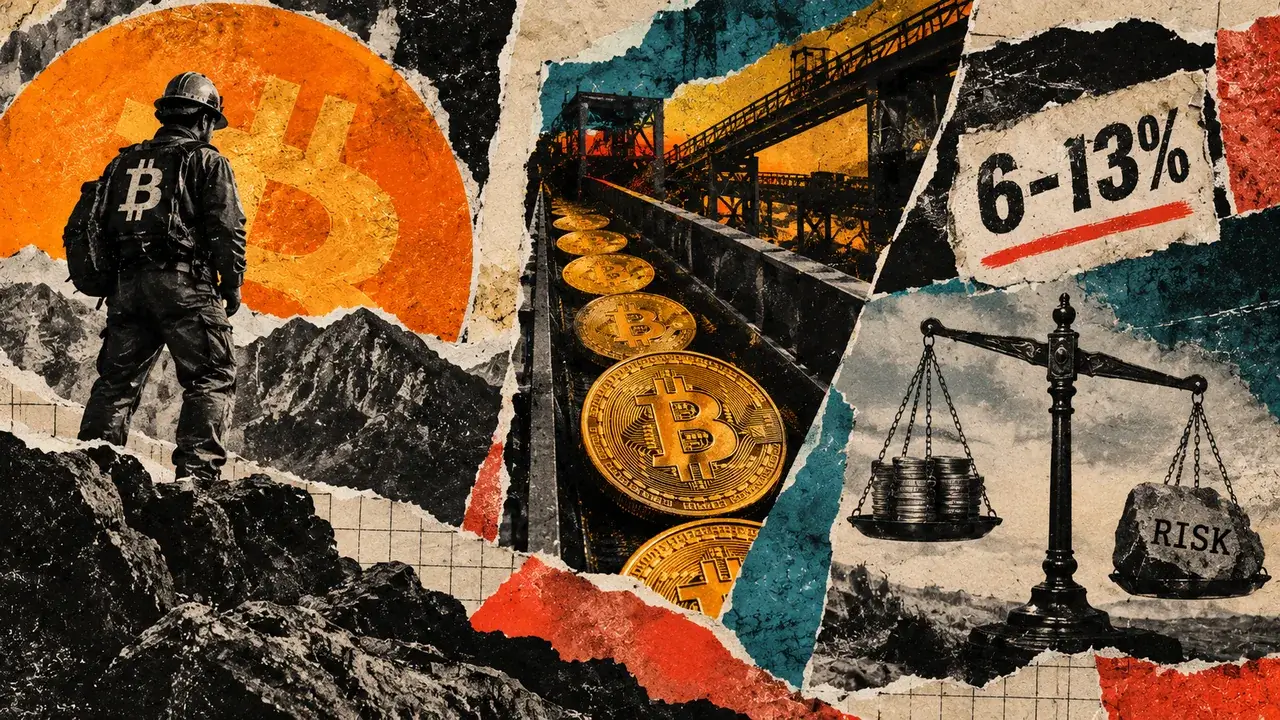
Luxor’s reported 6–13% annualized Bitcoin yield depends on mining delivery
Luxor, a Bitcoin mining derivatives provider, reported a 6–13% annualized Bitcoin financing spread in its September lookback, publ...
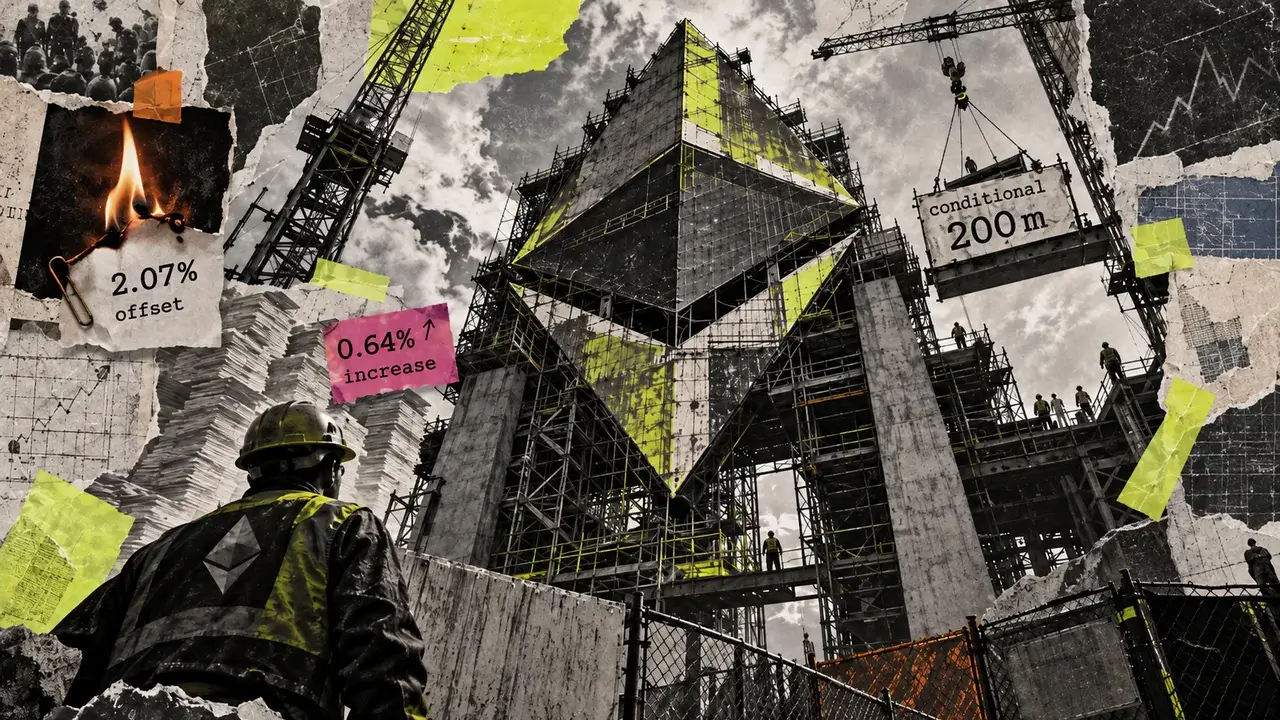
ETH fee burns cover just 2% of new coins printed in 2026
Ethereum's transaction fees have burned enough ETH to offset just 2.07% of the new coins issued in 2026, according to an Oct. 9 su...

CFTC proposes a divide between prediction contracts and sportsbook wagers
The Commodity Futures Trading Commission announced two actions on Oct. 9 seeking to clarify the federal regulatory boundary betwee...