AI scammers are now impersonating US government bigwigs, says FBI
Deepfake-assisted hackers are now targeting US federal and state officials by masquerading as senior US officials in the latest brazen phishing campaign to steal sensitive data. The bad actors have been operating since A...
Archive context
Older archive item. Useful for background and entity history, but not a fresh market-moving signal.

Deepfake-assisted hackers are now targeting US federal and state officials by masquerading as senior US officials in the latest brazen phishing campaign to steal sensitive data.
The bad actors have been operating since April, using deepfake voice messages and text messages to masquerade as senior government officials and establish rapport with victims, the FBI said in a May 15 warning.
“If you receive a message claiming to be from a senior US official, do not assume it is authentic,” the agency said.
If US officials’ accounts are compromised, the scam could become far worse because hackers can then “target other government officials, or their associates and contacts, by using the trusted contact information they obtain,” the FBI said.
As part of these scams, the FBI says the hackers are trying to access victims’ accounts through malicious links and directing them to hacker-controlled platforms or websites that steal sensitive data like passwords.
Source: FBI“Contact information acquired through social engineering schemes could also be used to impersonate contacts to elicit information or funds,” the agency added.
Crypto founders targeted in separate deepfake attacksIn an unrelated deepfake scam, Sandeep Narwal, co-founder of blockchain platform Polygon, raised the alarm in a May 13 X post that bad actors were also impersonating him with deepfakes.
Nailwal said the “attack vector is horrifying” and had left him slightly shaken because several people had “called me on Telegram asking if I was on zoom call with them and am I asking them to install a script.”
Source: Sandeep NarwalAs part of the scam, the bad actors hacked the Telegram of Polygon’s ventures lead, Shreyansh and pinged people asking to jump in a Zoom call that had a deepfake of Nailwal, Shreyansh and a third person, according to Nailwal.
“The audio is disabled and since your voice is not working, the scammer asks you to install some SDK, if you install game over for you,” Nailwal said.
“Other issue is, there is no way to complain this to Telegram and get their attention on this matter. I understand they can’t possibly take all these service calls but there should be a way to do it, maybe some sort of social way to call out a particular account.”
At least one user replied in the comments saying the fraudsters had targeted them, while Web3 OG Dovey Wan said she had also been deepfaked in a similar scam.
Source: Dovey WanFBI and crypto founder says vigilance is key to avoid scamsNailwal suggests the best way to avoid being duped by these types of scams is to never install anything during an online interaction initiated by another person and to keep a separate device specifically for accessing crypto wallets.
Related: AI deepfake attacks will extend beyond videos and audio — Security firms
Meanwhile, the FBI says to verify the identity of anyone who contacts you, examine all sender addresses for mistakes or inconsistencies, and check all images and videos for distorted hands, feet or unrealistic facial features.
At the same time, the agency recommends never sharing sensitive information with someone you have never met, clicking links from people you don’t know, and setting up two-factor or multifactor authentication.
Magazine: Deepfake AI ‘gang’ drains $11M OKX account, Zipmex zapped by SEC: Asia Express
Why this matters
This cryptocurrency story adds another data point to the current market tape and is useful when read alongside nearby source coverage.
Original source
Read on CointelegraphRelated market context

WaterPlum Targets 30,000 Devices and Steals 7,000+ Crypto Wallet Records Worldwide
Key Takeaways: WaterPlum hacked over 30,000 devices in 100+ countries and accessed information from 7,000+ crypto wallets. Fake jo...
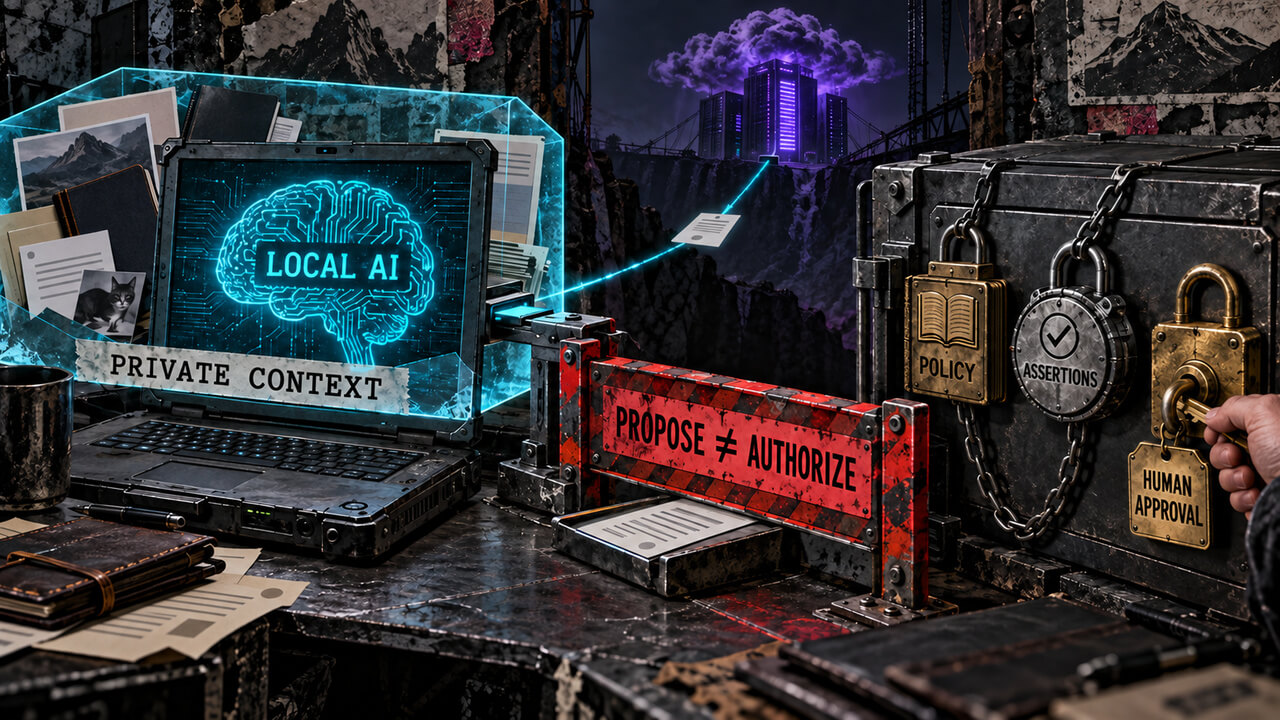
Ethereum co-founder Vitalik Buterin argues that local AI can protect your privacy without losing speed
Ethereum co-founder Vitalik Buterin says laptop AI is approaching a practical turning point. Wallet software still needs a much hi...

Blockchain Dead Drop Attacks Jump 420% as State Hackers Expand
Blockchain dead drop attacks — campaigns that use public chains to hide malware instructions — increased 420% over the past 12 mon...

US imposes sanctions on Bitbank cryptocurrency exchange, accusing it of enabling Iranian government
The sanctions on Bitbank may hinder U.S.-Iran nuclear negotiations, reducing chances for a deal and complicating diplomatic effort...

Treasury Sanctions BitBank Over Iranian Crypto Sanctions-Evasion Network
TL;DR U.S. Treasury has sanctioned Iranian digital asset exchange BitBank. OFAC says the platform was part of a network tied to sa...

Anthropic’s potential $2 trillion IPO is fueling an $80 million crypto trade
Anthropic’s prospective $2 trillion IPO has already spawned nearly $80 million in crypto derivatives bets before its public debut....