Analyst Warns of Banks’ Authority to Confiscate Funds, Decline of US Dollar Purchasing Power
According to Lynette Zang, chief market analyst at ITM Trading, U.S. banks have the legal authority to confiscate people’s funds due to legislation passed by Congress. In a recent interview, Zang discussed how the purcha...
Archive context
Older archive item. Useful for background and entity history, but not a fresh market-moving signal.
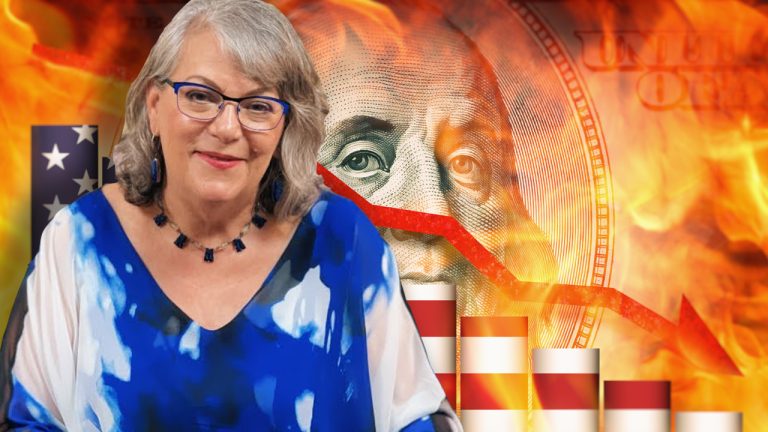
According to Lynette Zang, chief market analyst at ITM Trading, U.S. banks have the legal authority to confiscate people’s funds due to legislation passed by Congress. In a recent interview, Zang discussed how the purchasing power of the U.S. dollar has dwindled to “roughly three cents,” her belief that central bank digital currencies (CBDCs) will reinforce a “surveillance economy,” and the unalterable nature of the World Economic Forum’s proposal, known as the Great Reset.
The Consequences of Bank ‘Bail-Ins,’ CBDCs, and the Great ResetIn a recently published video interview, Lynette Zang, the chief market analyst at ITM Trading, sat down with Michelle Makori, lead anchor and editor-in-chief at Kitco News. Zang discussed how the U.S. dollar and most major fiat currencies are near their end.
“People don’t realize that everything has a life cycle,” Zang told Makori. “I’m at a different point in my life at 68 than my granddaughter who is about to turn eight. Currencies are no different. There are recognizable patterns that we can see all along the way,” Zang emphasized. The analyst continued:
But there’s not a doubt in my mind … I mean, first of all, there’s roughly three cents left of the [original] dollar’s worth of purchasing power … So, what happens when you reach zero? You have to go negative, and they take your principal.
Zang also informed the host that the Dodd-Frank legislation transforms depositors into “unsecured creditors.” She emphasized that the laws enable financial institutions to easily convert deposits into equity. Instead of “bailouts,” Zang predicts there will be “bail-ins,” where depositors’ savings are used to prevent a bank from collapsing.
“People have the assumption that when they make a deposit, it’s their money,” Zang stated. “But it’s not. When you make a deposit, legally, you’re lending your money to the bank. In 1995, they passed Regulation D, which legalized and allowed banks to move your deposits into sub-accounts that are in the bank’s name.”
Then they use that as collateral for loans, and you know, frankly, most of the revenue that banks generate now is trading revenue, according to the Office of the Comptroller of the Currency. So, that just allows them to reduce their reserves and use your money to gamble with. You don’t even realize it because it’s invisible.
During the interview, Zang forecasted that nearly everyone will experience a “bail-in” due to excessive money printing causing liquidity issues. The analyst pointed to cracks in the U.S. Treasury market, which is the foundation of the American economy. According to recent meetings, she stated that the Federal Deposit Insurance Corporation (FDIC) is aware of the potential for a significant problem in the U.S. financial system. “They’re laughing at us,” she said. “[They maintain] that the average retail clients don’t need to understand there’s really no money in the FDIC deposit insurance fund, and that they should expect to be bailed in.”
During the interview, Zang warned about the potential dangers of central bank digital currencies (CBDCs). She believes that these digital currencies will allow for easy tracking of a user’s funds and spending habits, as well as the ability to freeze those funds. Zang views CBDCs as part of the World Economic Forum’s proposed Great Reset. She argued that wealth never disappears, but merely shifts location, and if one does not own it, someone else does. “You may have nothing,” Zang said, “but I’m pretty sure you won’t be happy because you’ll be renting everything,” she added.
What do you think about the warnings raised by Lynette Zang? Share your thoughts in the comments below.
Why this matters
This cryptocurrency story adds another data point to the current market tape and is useful when read alongside nearby source coverage.
Original source
Read on Bitcoin NewsRelated market context
JPMorgan’s Ethereum move could open tokenization to smaller banks, Brickken CEO says
JPMorgan's Ethereum integration may democratize tokenization, enabling smaller banks to enhance liquidity and financial service ac...
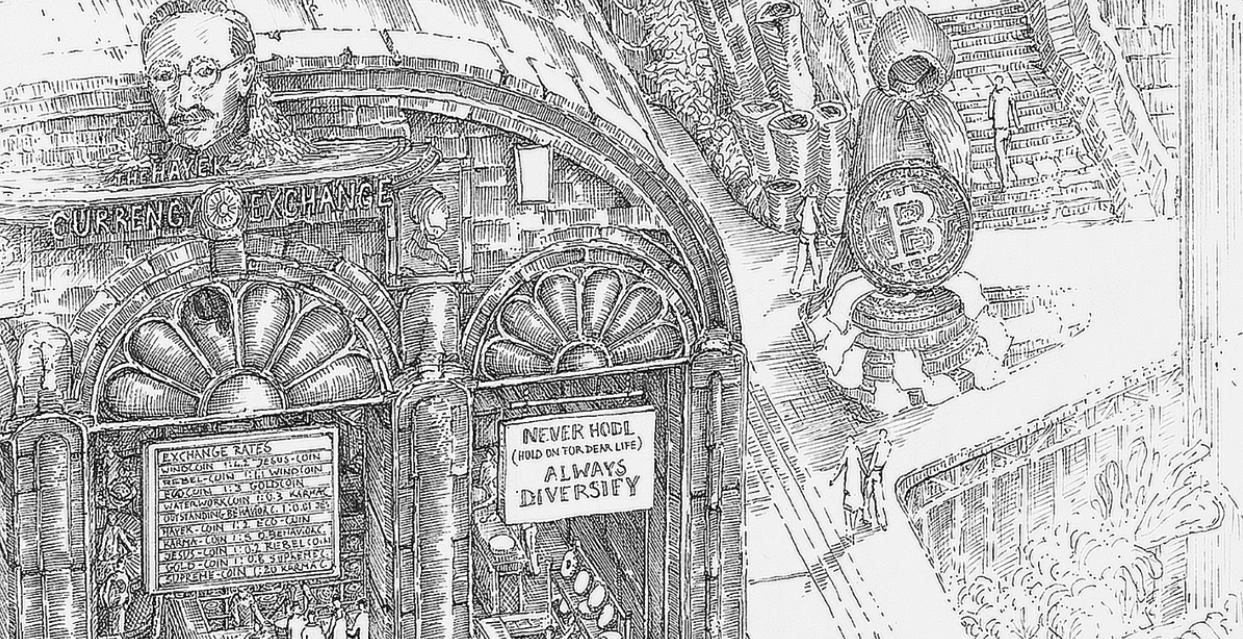
The Architecture of Money: Mapping Financial Power in the Age of Bitcoin
Bitcoin Magazine The Architecture of Money: Mapping Financial Power in the Age of Bitcoin Money determines where we live, what we...
JPMorgan's JPM Coin Arrives on Ethereum, Putting Bank Dollars on a Public Blockchain
JPMorgan is rolling out JPM Coin on Ethereum for institutional clients, a token backed by dollars in its accounts that settles in...
JPMorgan Picks Ethereum for JPM Coin, Citing the Network’s Liquidity and Client Use
JPMorgan is launching JPM Coin, its dollar deposit token, on Ethereum and will offer it to the bank’s institutional clients there,...

German Savings Banks Begin Crypto Trading Rollout Inside Sparkassen App
Germany’s Sparkassen savings-bank group is beginning a phased cryptocurrency-trading rollout inside its existing banking app, taki...
Mastercard Launches Stablecoin Security to Screen Risk Before Funds Move Onchain
Key Takeaways: Mastercard released Stablecoin Security for assisting banks to identify fraud and sanctions/malicious activities be...