Apple, X, Airbnb Plot Stablecoin Payment – Could Big Tech Ditch Card Fees for Onchain Settlements?
Key Takeaways: Apple, X, Airbnb, and other major tech firms are in early talks with crypto companies to integrate stablecoin payments. Payment processors like Stripe and Worldpay have been approached to support back-end...
Archive context
Older archive item. Useful for background and entity history, but not a fresh market-moving signal.
Key Takeaways:
- Apple, X, Airbnb, and other major tech firms are in early talks with crypto companies to integrate stablecoin payments.
- Payment processors like Stripe and Worldpay have been approached to support back-end stablecoin transactions.
- Industry sources say firms are weighing compliance risks across stablecoin issuers like Tether and USDC.
- Executives see stablecoins as reshaping both enterprise treasury strategy and digital payment infrastructure.
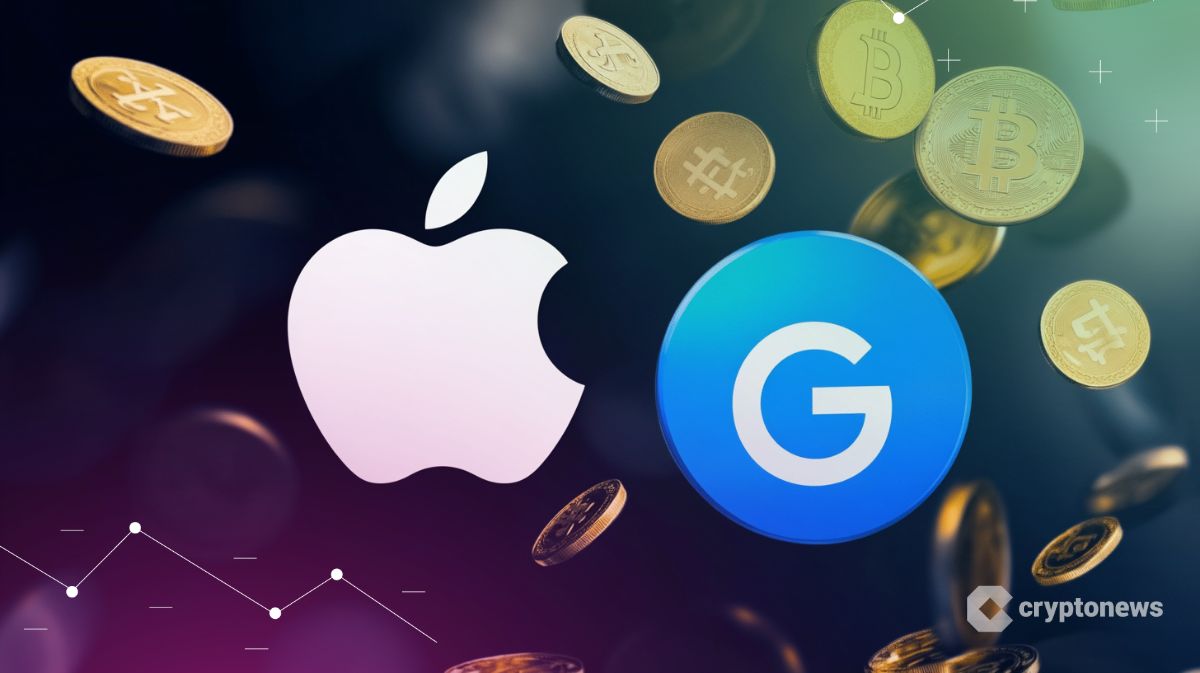
Apple, X, and Airbnb are in early-stage discussions with crypto firms about incorporating stablecoins into their payment infrastructure, according to a report published by Fortune on June 6.
The conversations, which also reportedly include Google and Uber, focus on the use of dollar-pegged tokens to reduce transaction costs and improve the efficiency of cross-border settlements. The report cited sources that requested anonymity due to the private nature of the talks.
Tech Giants Experiment with New Settlement OptionsAccording to Fortune, Stripe, Worldpay, and other processors have been approached to provide back-end support for stablecoin settlements.
Airbnb has held internal discussions with Worldpay about the feasibility of such integrations, while X is exploring adding stablecoin functionality to its payments app, X Money, through potential collaboration with Stripe.
A crypto firm executive quoted in the report said firms are assessing the risk profile of different stablecoins before making integration decisions. Tether’s compliance record and USDC’s evolving corporate structure were noted as factors influencing deliberations.
“[Stablecoins] are this old idea, but finally I think we’ve got the right pieces coming together such that it’s really coming into fruition,” said Haun Ventures partner Chris Ahn.
@Circle the company behind the USDC stablecoin, made a dramatic entrance on the NYSE with its shares surging as much as 160% during its trading debut. #Circle #NYSE https://t.co/EJQJ4Yy3m3
— Cryptonews.com (@cryptonews) June 5, 2025Google Cloud has already accepted stablecoin payments from select clients using PayPal’s PYUSD, according to comments from Rich Widmann, head of Web3 strategy at Google Cloud. He stated that invoices and accounting processes remained unchanged, with only the settlement currency modified.
“It’s pretty clear that this is probably one of the biggest upgrades to payments since the SWIFT network,” said Widmann. “There isn’t a separate offshoot for stablecoin payments within Cloud.”
Stablecoin Adoption Advances Alongside CBDC EffortsThe report added that the interest among Big Tech coincides with recent policy shifts in Washington under the Trump administration, which has directed agencies to ease oversight of digital assets. Tech executives cited Stripe’s acquisition of stablecoin firm Bridge as a turning point for enterprise adoption discussions.
While Big Tech firms explore stablecoin use for efficiency, some governments are pushing their own digital currency models. This parallel development could shape how private and public systems interact in global payments.
Enterprise interest in stablecoins reveals a steady trend of changing corporate treasury strategies. Instead of holding excess reserves in fiat, some firms are evaluating on-chain assets to optimize liquidity and settlement across borders.
Frequently Asked Questions (FAQs)How might stablecoin integration affect existing payment processors like Visa and Mastercard?If stablecoins offer cheaper and faster settlements, companies could reduce reliance on traditional card networks, potentially cutting into processing fees and changing the competitive landscape for legacy providers.
Why are firms cautious about which stablecoin to adopt?Stablecoins differ in legal structure, reserve transparency, and issuer credibility. Tether faces ongoing scrutiny over its reserve audits, while USDC’s ownership changes may impact long-term trust and stability.
Could Big Tech companies eventually issue their own stablecoins?Yes, but legislative proposals in the U.S. have sought to limit non-financial institutions from issuing digital currencies, meaning in-house stablecoins could face heightened regulatory barriers.
The post Apple, X, Airbnb Plot Stablecoin Payment – Could Big Tech Ditch Card Fees for Onchain Settlements? appeared first on Cryptonews.
Why this matters
This cryptocurrency story adds another data point to the current market tape and is useful when read alongside nearby source coverage.
Original source
Read on CryptonewsRelated market context

State of TRON Q3 2026 Report Highlights $2.21 Trillion in Stablecoin Settlement Amid Network Activity Growth
Geneva, Switzerland, October 12, 2026 — TRON DAO, the community-governed DAO dedicated to accelerating the decentralization of the...

Stripe, Mastercard and Circle agree to pay up to $3.3 billion for stablecoin operators
The acquisitions highlight the strategic importance of stablecoin infrastructure, potentially reshaping global payment systems and...

KB Kookmin Card and SBI Holdings separately explore AI identity checks and crypto payments
AI-driven identity checks and crypto payments could revolutionize cross-border transactions, reducing costs and enhancing financia...
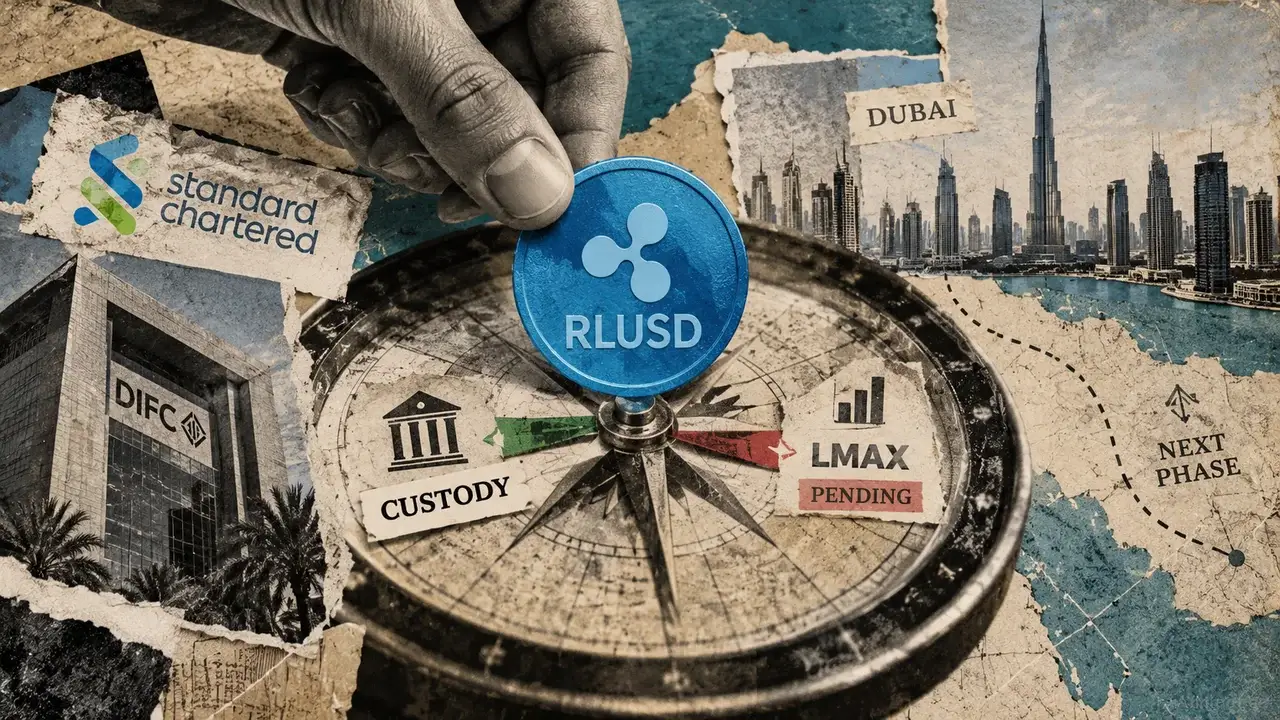
Standard Chartered brings Ripple’s RLUSD into banking custody after $765 million quarterly surge
Standard Chartered has launched custody for Ripple's RLUSD stablecoin as it prepares to expand its use as collateral for instituti...

France’s tax proposal would tax Bitcoin-to-USDC swaps before investors cash out
France’s proposed crypto tax changes would make a move from Bitcoin or Ether into certain stablecoins a taxable disposal, even if...

From TOKEN2049 to Ecosystem Co-Building: HTX Advances Its Multifaceted Engagement Across the Global Crypto Industry
Singapore, October 12, 2026 – From October 6 to 8, the global crypto industry turned its attention to Singapore for TOKEN2049, a m...