Argentina Runs to Stablecoins Amidst Political and Economic Uncertainty
Citizens of Argentina are hedging their savings by using stablecoins amidst the recent climate of uncertainty created by the resignation of certain key members of the government. The minister of economy in the country re...
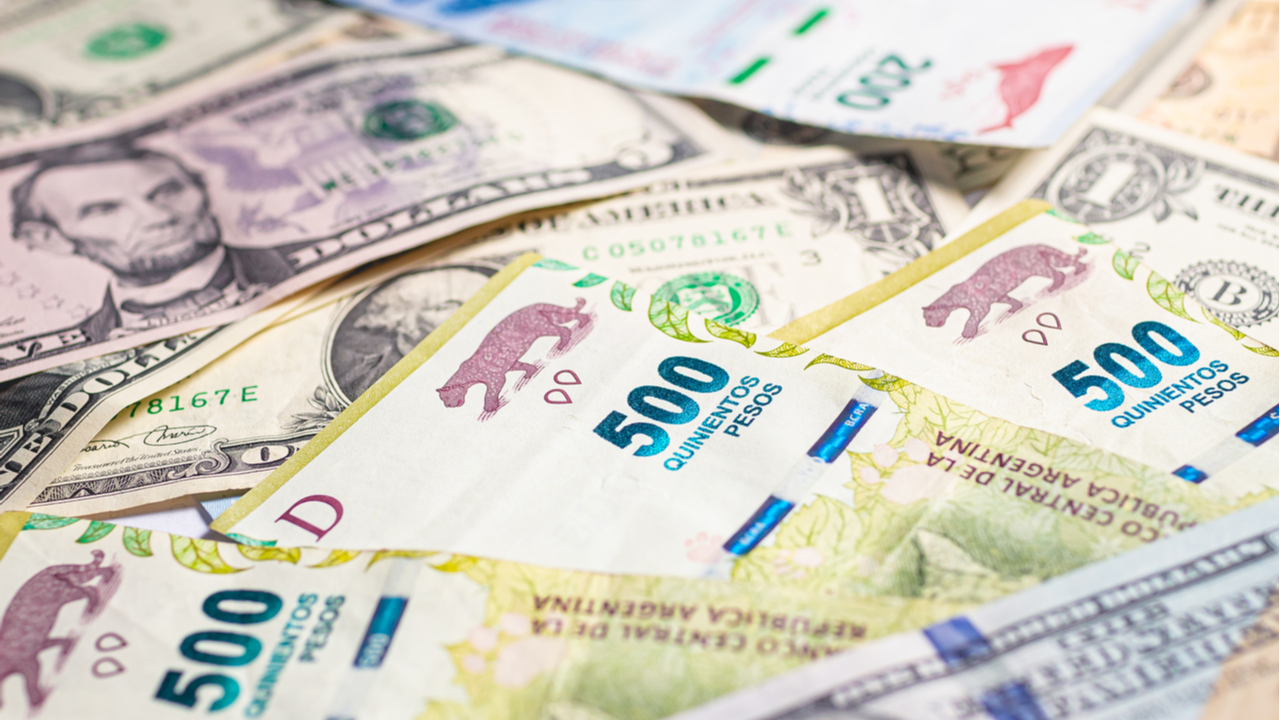
Citizens of Argentina are hedging their savings by using stablecoins amidst the recent climate of uncertainty created by the resignation of certain key members of the government. The minister of economy in the country resigned last weekend, alongside other personalities, creating the turmoil that prompted the price of stablecoins in the country to rise by 11% on some exchanges.
Dollar-to-Peso Exchange Rate Plummets Due to Political Uncertainty in ArgentinaThe rate that citizens in Argentina use to exchange the native fiat currency, the Argentinian peso, for dollars, has plummeted due to the climate of political and economic uncertainty the country is currently facing. The resignation of economy minister Martin Guzman caused shockwaves, as he was one of the biggest articulators of the deal the country inked with the International Monetary Fund (IMF) to restructure the debt that the country has with the organization.
The resignation of Guzman also brought about demissions from other important officers of the ministry, including Ramiro Tosi, Roberto Arias, and Rodrigo Ruete. This made the exchange rate of pesos for U.S. dollars reach record numbers on different cryptocurrency exchanges. According to Bloomberg, the rate reached 257 Argentine pesos on the Binance exchange, a rise of 6.6%. On the Lemon Cash exchange, prices jumped 11% to 279 pesos.
Inflation and Devaluation Driving Argentinians to Foreign Currencies and CryptoThe situation has caused Argentinians to rush to exchange their pesos for foreign currencies like the U.S. dollar and also for dollar-pegged stablecoins like USDT. Even with the appointment of a new economy minister, Silvina Batakis, the market did not recover to its previous rates. According to local media, the exchange rate fell even lower to 280 pesos per dollar, even reaching the 300 pesos per dollar mark on some exchanges.
Furthermore, the volumes of stablecoins traded increased significantly. Some operators reported increases of 500% in volumes traded during some hours of the weekend, with most traders trying to anticipate the rise in traditional markets to take advantage of the arbitrage opportunities.
The exchange rate of the digital dollar went over the exchange rate of the physical dollar, showing that Argentinians prefer to purchase these variants due to the simplicity of trading them again for other goods and also for the different uses they afford compared to dollar bills. The movements are consistent with a survey conducted by Americas Markets Intelligence in April, which found that 12% of the population have invested in crypto, and 18% were interested in investing in crypto.
What do you think about the recent rise in demand and price of several stablecoins in Argentina? Tell us in the comments section below.
Original source
Read on Bitcoin NewsRelated market context

Iran and US expected to finalize ceasefire deal within 24 hours, Bitcoin rises on reduced geopolitical risk
A finalized ceasefire could stabilize Middle East tensions, potentially boosting global markets and easing oil supply constraints....

Crypto Markets Rally as Dollar Weakens on Fed Rate Cut Bets
Bitcoin tops $70,000 as dollar falls on Fed rate cut expectations. Ethereum, altcoins gain. Institutional inflows surge. Regulator...
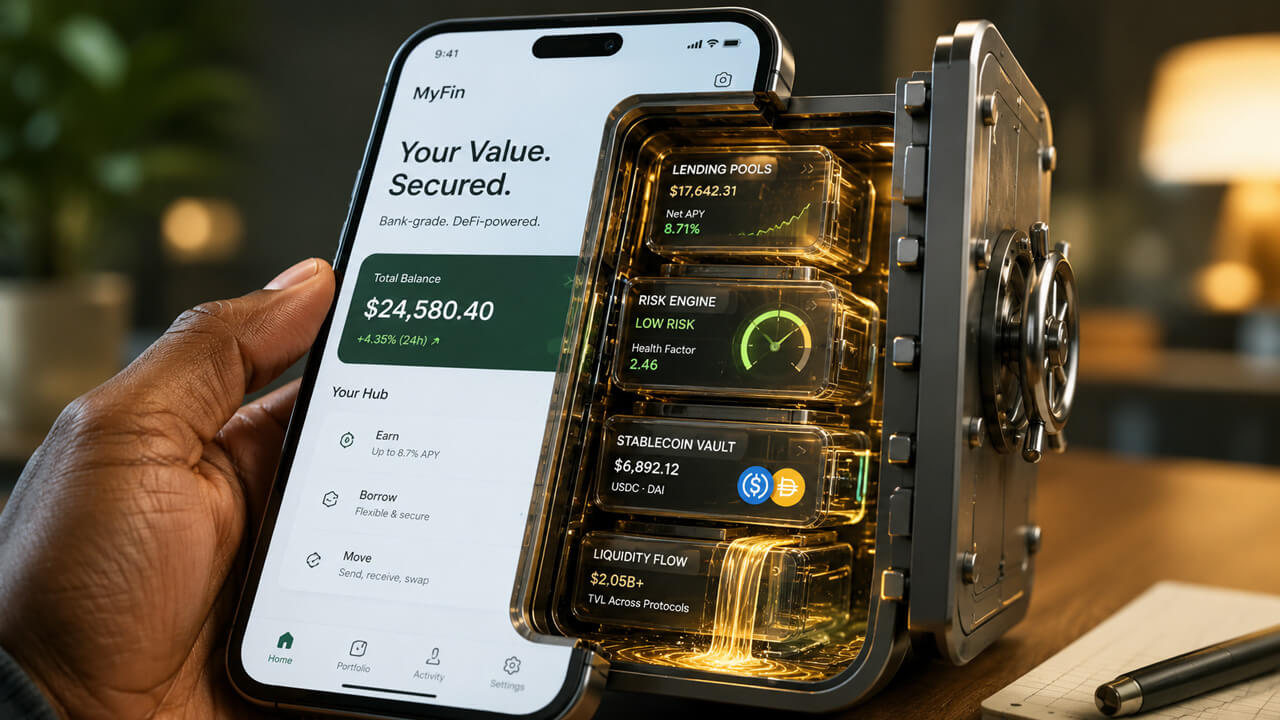
The future of vaults: neobanks and invisible DeFi
The following is a guest post and opinion from Vincent Maliepaard, VP of Marketing at Sentora. On January 26, 2026, Kraken launche...

Kraken becomes FIFA’s first crypto exchange partner as 2026 World Cup kicks off
Kraken's partnership with FIFA could accelerate crypto adoption in sports, influencing fan engagement and financial interactions g...
United States borrowing costs rise amid global bond sell-off, squeezing crypto and traditional markets alike
Rising borrowing costs strain global markets, prompting shifts to safer assets and exacerbating fiscal challenges amid geopolitica...

Banks are buying Bitcoin vaults, but a quantum problem may be waiting inside
The banks are finally buying the vaults. In May, BNY, the world's largest custodian with $59.4 trillion in assets under custody an...