As US Inflation Skyrockets White House Blames Monopolies, Economist Calls for Price Controls
U.S. inflation is red hot and a number of analysts and economists are predicting America will face further economic issues as politicians and the Biden administration blame corporations. This perspective on rising inflat...
Archive context
Older archive item. Useful for background and entity history, but not a fresh market-moving signal.
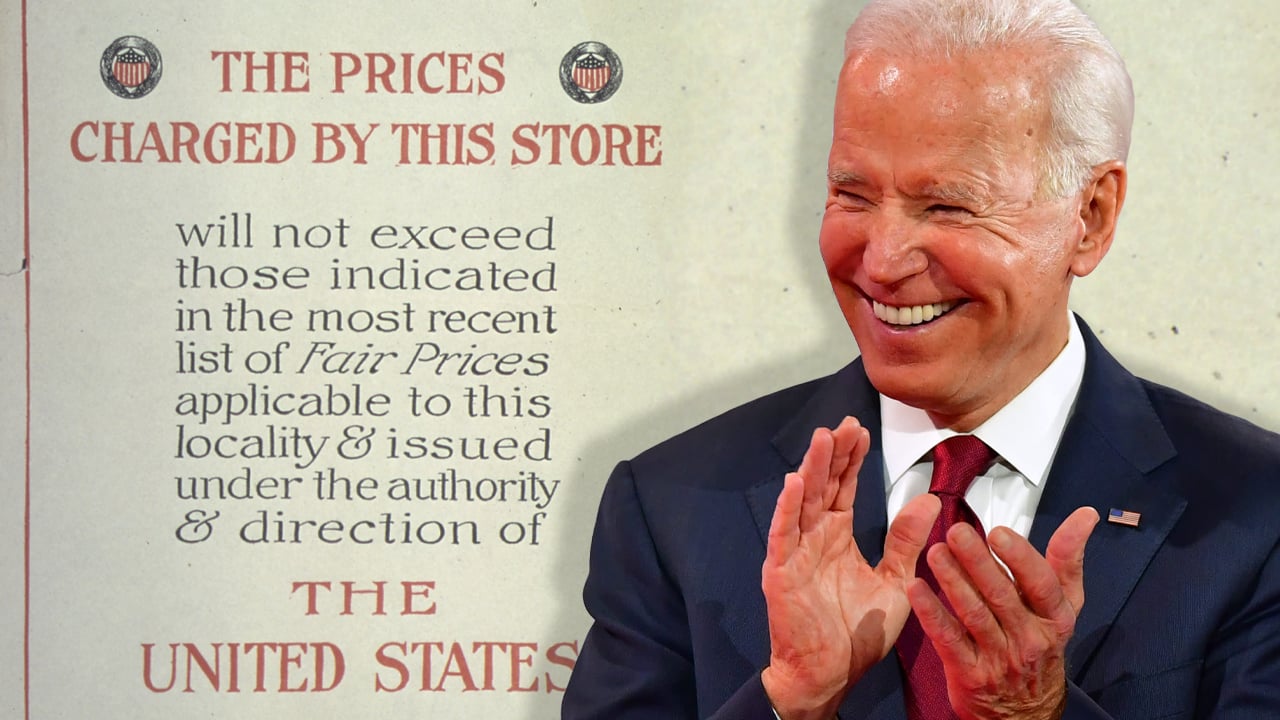
U.S. inflation is red hot and a number of analysts and economists are predicting America will face further economic issues as politicians and the Biden administration blame corporations. This perspective on rising inflation has led finance authors like Isabella Weber to believe that price controls could ease America’s economic burdens.
Biden Administration Blames Inflation on Corporate Greed, Monopolistic Behavior
America is dealing with the worst inflation in over four decades and the White House thinks that tougher anti-monopoly policy could fix the situation. Furthermore, a few congressional leaders want to stifle online ecommerce giants like Amazon with proposals like Senator Amy Klobuchar’s (D-Minn.) American Innovation and Online Competition Act. Senator Tom Cotton’s (R-Ark.) Platform Competition and Opportunity Act (PCOA) is also aimed at reforming anti-trust laws.
The White House is blaming the loss of purchasing power in America on monopolistic behavior. Last month, the White House shared data that claimed four corporate entities in the meat-processing industry have been fueling inflation. NYU professor Marion Nestle told the New York Times in an interview that “their goal is to control the market so that they can control the price.” Despite the opinion from Biden’s administration, the North American Meat Institute says the claims are false.
This has led to a raging debate and just recently finance author Isabella Weber published an opinion editorial via the Guardian that says “we have a powerful weapon to fight inflation: price controls. It’s time we consider it.” Weber’s editorial says that during World War II, U.S. economists “recommended strategic price controls.” Essentially, price controls restrict free market activity as mandated prices and restrictions are set in place and enforced by governments. It means that the manufacturer has no say in pricing goods and services and the government has full control.
Weber ideas are not very popular and even the Nobel laureate and economist Paul Krugman blasted the concept. In a now-deleted tweet, Krugman wrote: “I am not a free-market zealot. But this is truly stupid.” However, the following day, Krugman apologized to Weber and said he deleted the tweet. Krugman said:
Deleting, with extreme apologies, my tweet about Isabella Weber on price controls. No excuses. It’s always wrong to use that tone against anyone arguing in good faith, no matter how much you disagree — especially when there’s so much bad faith out there.
Another individual mocked the price controls idea and said: “We’ve gone from ‘inflation is temporary’ to ‘f***, we need price controls’ in the space of a quarter.” “Anyone calling themselves an economist who is also a proponent of price controls deserves to be mocked, shamed, and spoken down to,” the Twitter account dubbed Hazlitt tweeted. The host of the “Smart People Sh*t” podcast Dennis Porter said:
Price controls are the thing every government does before the whole thing collapses.
Even the Democrat economist and senior official for the Obama administration, Larry Summers, insists bolstering antitrust laws will not help the U.S. economy. In a tweetstorm, Summers said: “The emerging claim that antitrust can combat inflation reflects ‘science denial.’ There are many areas like transitory inflation where serious economists differ. Antitrust as an anti-inflation strategy is not one of them.” Lastly, the Harvard economist stressed that monopolistic behavior has not accelerated like inflation.
“There is no basis whatsoever thinking that monopoly power has increased during the past year in which inflation has greatly accelerated,” Summers tweeted.
What do you think about the rising inflation in the U.S. and the White House blaming monopolistic behavior? What do you think about the concept of leveraging price controls? Let us know what you think about this subject in the comments section below.
Why this matters
This cryptocurrency story adds another data point to the current market tape and is useful when read alongside nearby source coverage.
Original source
Read on Bitcoin NewsRelated market context

Injective CEO meets White House, SEC and CFTC officials on onchain finance
The meetings highlight a potential shift towards regulatory acceptance, potentially paving the way for institutional adoption of D...
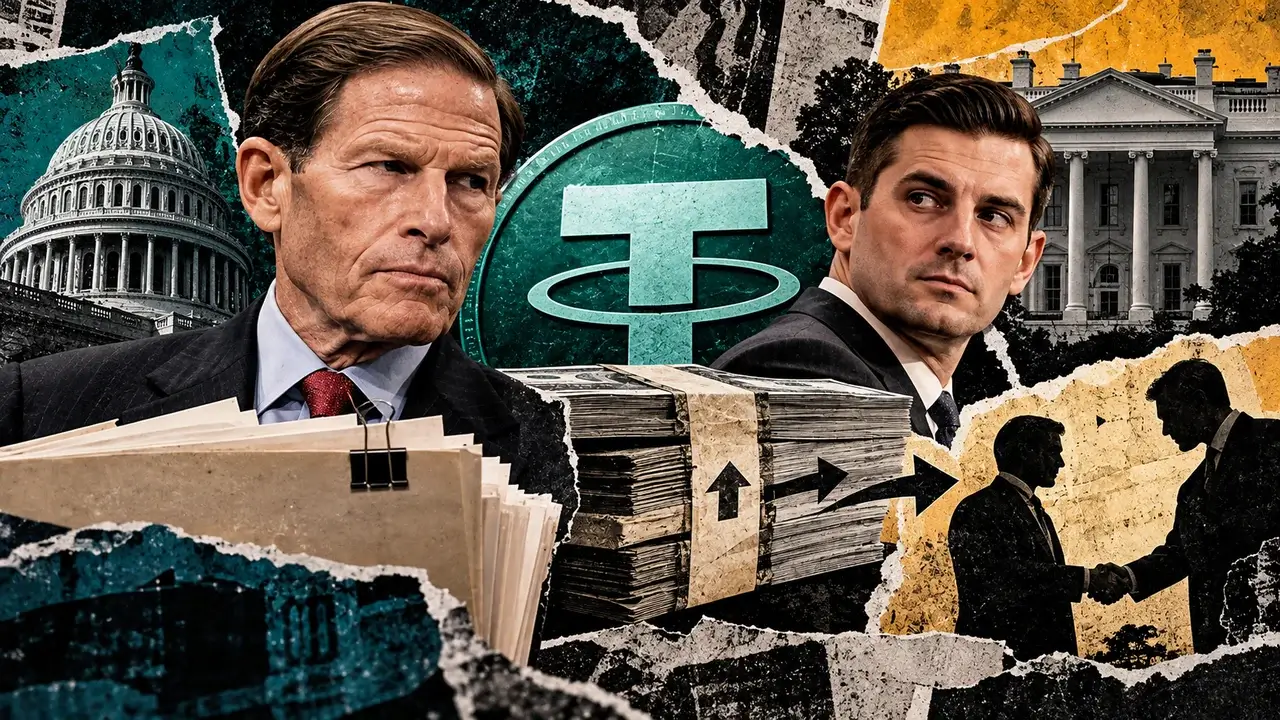
Senator probes Tether’s reported $6 million payments to ex-White House crypto adviser’s firm
Tether faces US Senate scrutiny over multimillion-dollar payments to a consulting firm co-owned by a former White House crypto adv...
Senate Democrat Probes Tether Payments to Ex-White House Crypto Adviser’s Firm
Sen. Richard Blumenthal demanded Tether’s records on payments to Nxum, a firm co-owned by former White House crypto adviser Bo Hin...
Bitcoin’s Fed Week Starts With A Fresh Rise In US Inflation Expectations
TL;DR: US household inflation expectations rose in October while consumer sentiment barely changed. The readings add context ahead...
Sen. Blumenthal seeks answers from Tether over payments to firm founded by ex-White House crypto adviser
Sen. Blumenthal said he wants answers from Tether following reports that it paid millions to a firm started by a former WH crypto...

Austin Griffith Demonstrates How Fast Bots Can Drain Weak Ethereum Keys
Austin Griffith of the Ethereum Foundation put about $1 in an Ethereum wallet whose private key was the number 6969, and bots went...