BaaS Drives Innovation, Boosting New Age Of Finance
Recently, the BaaS market has received a lot of attention. A fresh study predicts that it will expand to $11.4 billion over the next seven years at a 16.9% CAGR. Boosting the age of finance Another report projects that t...
Archive context
Older archive item. Useful for background and entity history, but not a fresh market-moving signal.

Recently, the BaaS market has received a lot of attention. A fresh study predicts that it will expand to $11.4 billion over the next seven years at a 16.9% CAGR.
Boosting the age of financeAnother report projects that the sector will grow to $66 billion during the same period. Despite the varying projections, one thing is certain – we cannot ignore the potential of this breakthrough technology for the modern financial industry.
BaaS can benefit all involved parties – banks, fintechs, and consumers – and become a crucial building block of a diverse financial system that promotes financial inclusion worldwide.
The transformation of financial services is being driven by Banking-as-a-Service (BaaS), which integrates the services of regulated banks with fintech providers to create improved financial products for consumers.
Fintech firms connect to financial institutions’ infrastructure and core systems through APIs in exchange for a fee, enabling them to provide banking services such as payment card issuance and deposit management to their customers.
By collaborating with fintech firms instead of competing, banks can embrace the ongoing digital revolution.
A whopping 85% of senior executives in banking, fintech, retail, and other industries are already implementing BaaS solutions or planning to do so in the next 12-18 months, indicating a rapid adoption rate for this technology among both large enterprises ($1-10 billion) and SMBs.
Reasons for the necessity of a partnership between banking and fintech necessaryThe aim of BaaS is to make financial services accessible to everyone and encourage innovation in the banking sector.
However, there are several reasons why banks may find it challenging to fulfill the promises of BaaS. Firstly, it is important to note the outdated legacy systems and processes that most banks still rely on.
These systems are often slow and obsolete, which makes it harder for banks to adapt to changing market conditions or customer requirements promptly.
Stay tuned for more details about this.
Why this matters
This cryptocurrency story adds another data point to the current market tape and is useful when read alongside nearby source coverage.
Original source
Read on CryptoGazetteRelated market context

Ondo Finance’s tokenized stocks hit a record $1.26 billion in TVL
The rapid growth of Ondo Finance's tokenized stocks highlights increasing global demand for accessible, low-friction investment op...
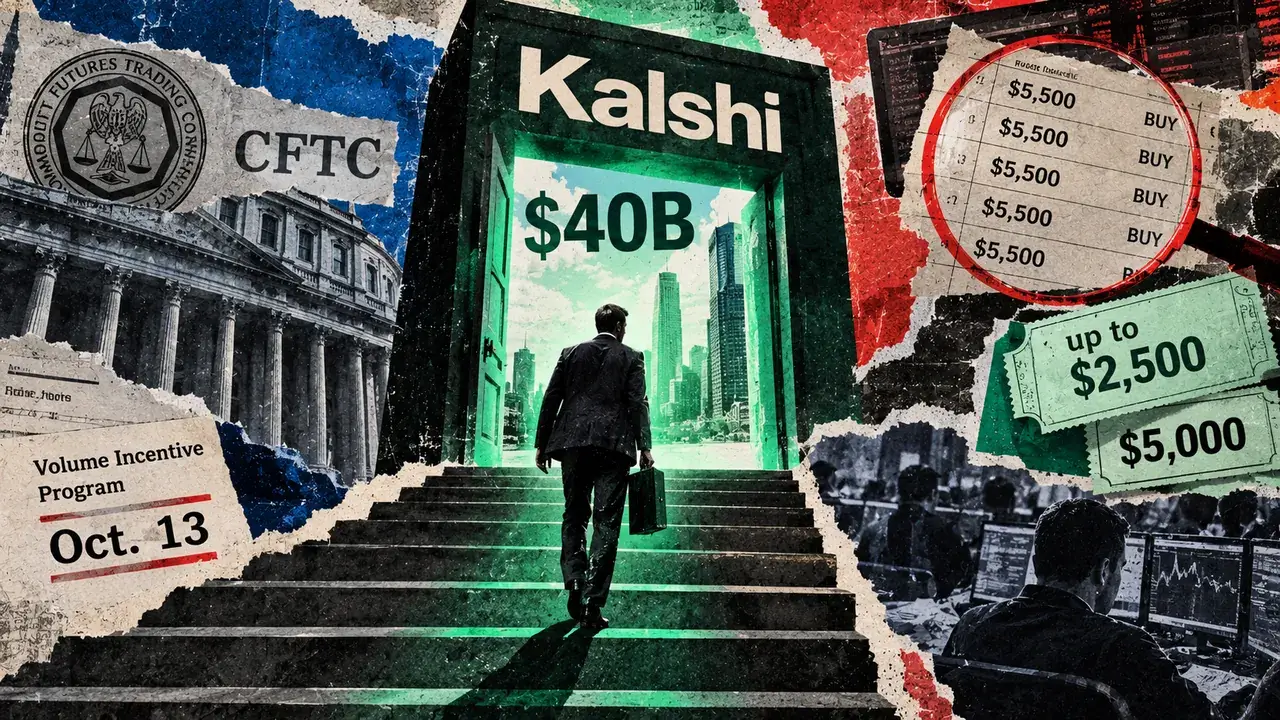
Kalshi’s $40 billion growth story hits tough questions about its trading volume
Kalshi is ending a trader-volume incentive program nearly a year early as scrutiny of activity in its crypto markets intensifies....

Stablecoin cards enter ‘hyper growth’ mode as monthly spending hits record $1.17 billion
Stablecoin card spending is accelerating to record levels, but the payment rail remains a fraction of the traditional card market....
Franklin Templeton’s Chetan Karkhanis: Asia leads in tokenized finance
Asia's lead in tokenized finance could accelerate global adoption, reshaping investment landscapes and enhancing financial system...

Uphold Adds XRP, Bitcoin Inheritance, Citing $331 Billion Stranded
Passing cryptocurrency to an heir requires both legal ownership and a way to authorize transactions. A new service addresses that...

Kalshi nears roughly $1 billion raise at about $40 billion valuation ahead of possible IPO
Kalshi's rapid valuation growth highlights the potential and regulatory risks of prediction markets, especially in sports-related...