Bank for International Settlements Urges G20 to Dismiss Crypto
The Bank for International Settlements (BIS) has told the Group of Twenty (G20), the intergovernmental forum comprising the world's top 19 economies, and the European Union, that cryptocurrencies cannot be adopted as a m...
Archive context
Older archive item. Useful for background and entity history, but not a fresh market-moving signal.

The Bank for International Settlements (BIS) has told the Group of Twenty (G20), the intergovernmental forum comprising the world's top 19 economies, and the European Union, that cryptocurrencies cannot be adopted as a monetary instrument because they have "inherent structural flaws."
In a report submitted to the G20 Finance Ministers and the Central Bank Governors, the BIS stated in detail the flaws facing digital assets, among them instability and inefficiency. The BIS, which brings together the world's major central banks, added that there is a lack of accountability in the cryptocurrency ecosystem.
Shortcomings in Crypto
"Crypto has so far failed to harness innovation to the benefit of society," the BIS stated. "Crypto does not finance any real economic activity. Additionally, it suffers inherent shortcomings related to stability and efficiency, as well as accountability and integrity."
Conversely, in the report, the BIS acknowledged that cryptocurrencies had an element of genuine innovation like programmability, which enables the automation of transactions and integration into other systems. According to international financial institutions, such aspects, when combined with asset tokenization, can reduce transaction costs.
However, the BIS is faulting cryptocurrency projects for exacerbating the flaws in traditional financial systems. The BIS particularly cited Decentralized Finance (DeFi), a financial system that uses blockchain technology to offer services, such as lending, investing, and trading of financial instruments.
BIS’ Concerns about Stablecoins
The BIS cited the collapse of the cryptocurrency exchange, FTX as an example of the vulnerability of the digital asset space. Besides that, the institution pointed out some of the challenges facing the stablecoin sector in light of last year's collapse of the Terra USD project.
"Stablecoins are subject to a conflict of interest whereby the issuers are incentivized to invest in risky assets," the BIS explained. "The stability of stablecoins, therefore, depends on the quality and the transparency of their asset reserves, which often lacks."
The skepticism the central bankers expressed concerning digital assets is nothing new in light of their push for central bank digital currencies (CBDCs), the digital alternatives to fiat currency. CBDCs are expected to transform how users interact with financial systems.
Finance Magnates reported in June that the International Monetary Fund (IMF) was working on a global infrastructure for the CBDCs. The project aims to ensure interconnectedness in payment settlements, IMF's Managing Director, Kristalina Georgieva, said.
Spotware appoints new CEO; XS.com welcomes Marketing Manager; read today's news nuggets.
This article was written by Jared Kirui at www.financemagnates.com.Why this matters
This cryptocurrency story adds another data point to the current market tape and is useful when read alongside nearby source coverage.
Original source
Read on Finance MagnatesRelated market context

Crypto Markets Digest: The Block’s Live Price Feed Underscores the News-Data Nexus in Digital Assets
The Block pairs Bitcoin and Ethereum news with live prices. We examine why crypto news and real-time data fused, and what it means...

Dragonfly’s Tom Schmidt sees synthetic dollars growing alongside tokenized assets
The growth of synthetic dollars alongside tokenized assets could reshape financial systems, offering new liquidity and investment...

Kraken Completes Acquisition Of TradeStation Crypto Infrastructure Assets
In a major development confirmed on SEPTEMBER 30, 2026, Confirmed announcement/filing for Kraken Completes Acquisition Of TradeSta...
Sui joins OpenAssets to extend the Open Tokenized Asset Standard
The collaboration could lead to more interoperable and compliant tokenized assets, enhancing global financial operations and innov...

Latvia’s central bank grants MiCA crypto licence to UK-backed Noah
Latvia's strategic positioning as a crypto-friendly hub could boost foreign investment and intensify regional competition within t...
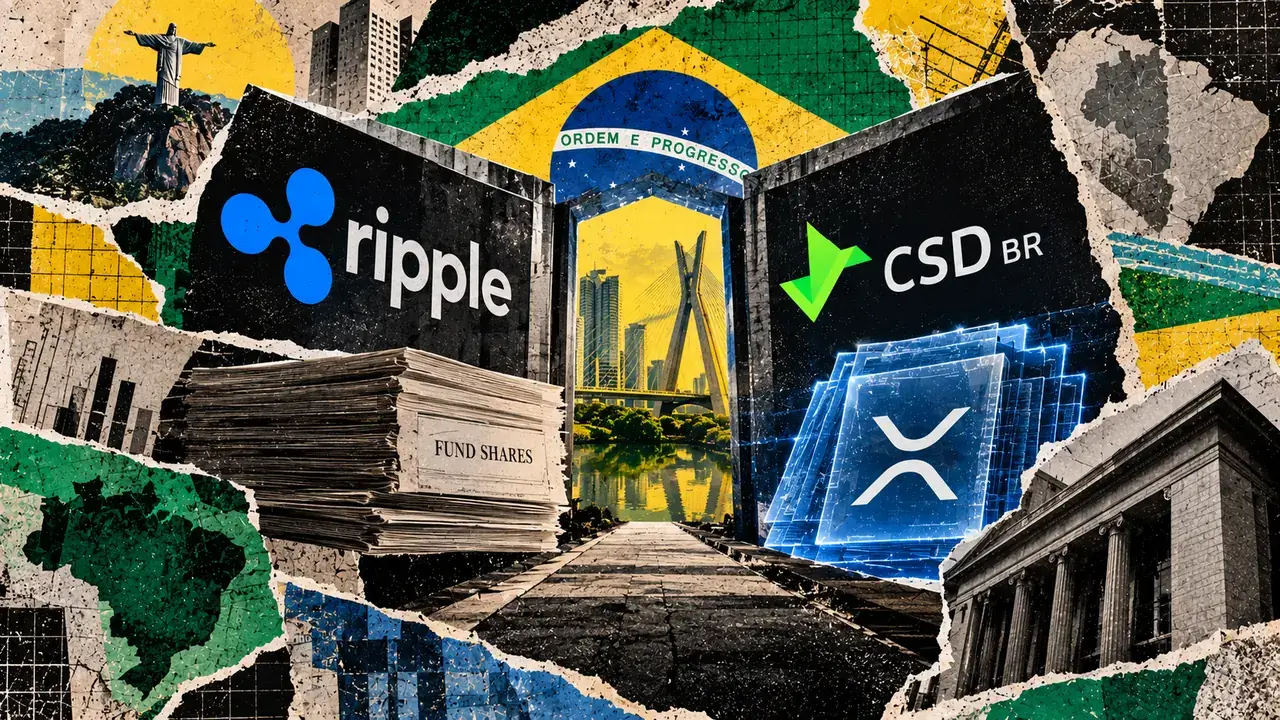
Ripple quietly made Brazil the center of its XRPL tokenization push
Ripple's Brazilian foothold spans cross-border payments and securities records in a country Chainalysis ranked first for grassroot...