Bank of Russia Recommends Banks to Block Cards, Wallets Used to Transact With Crypto Exchangers
The central bank of Russia has advised commercial banks on how to identify and block cards and wallet accounts used by shady businesses. Along with illegal forex dealers and financial pyramids, the regulator has also lis...
Archive context
Older archive item. Useful for background and entity history, but not a fresh market-moving signal.
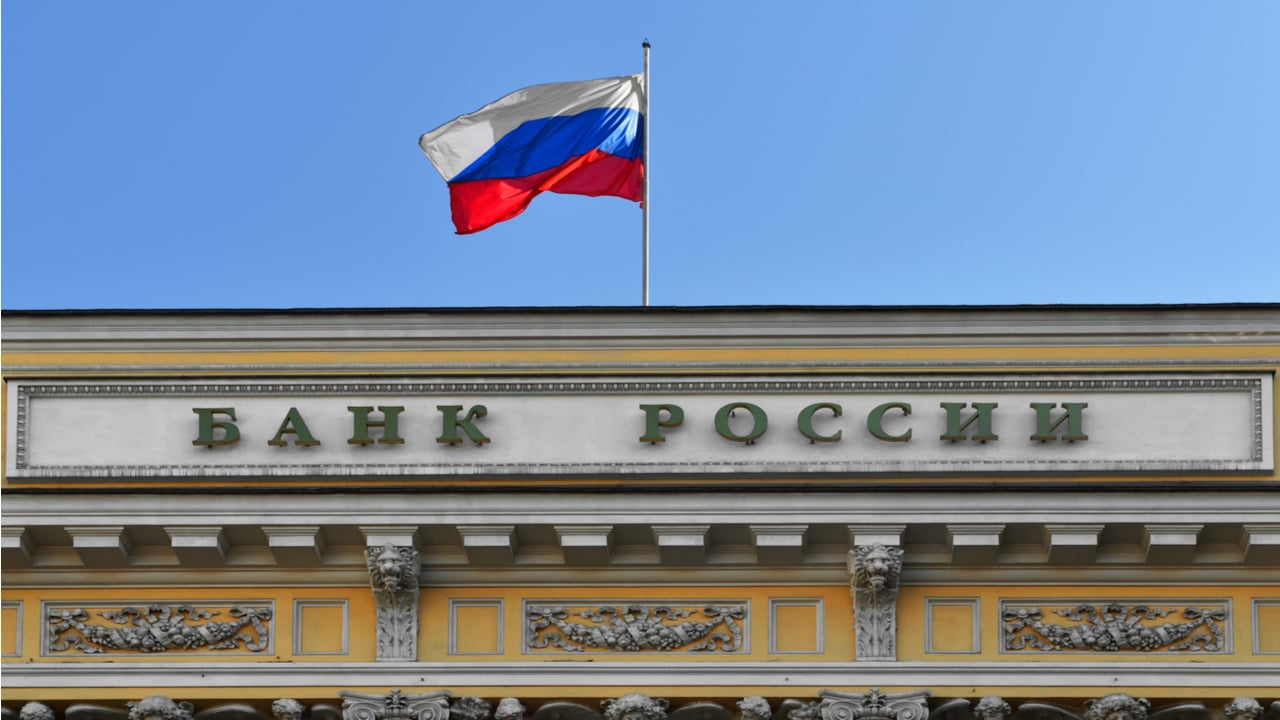
The central bank of Russia has advised commercial banks on how to identify and block cards and wallet accounts used by shady businesses. Along with illegal forex dealers and financial pyramids, the regulator has also listed crypto exchangers as suspicious entities.
New AML Recommendations by Bank of Russia Target Cryptocurrency ExchangersRussia’s central bank has issued a set of criteria that banks can use to identify cards and e-wallets used by companies operating in the shadow economy, Forklog reported. According to the monetary authority, these include not only illegal forex dealers and financial pyramids, but also cryptocurrency exchangers.
The bank turns particular attention to transactions between private persons as the regulator claims such entities often use accounts registered under false names to make and receive payments. Russian banks are expected to analyze and identify suspicious transactions as part of their anti-money laundering (AML) efforts and terminate services.
Among the operations considered a cause of concern, Bank of Russia lists deposits and withdrawals of cash when they are more than 30 a day. A large number of individual payers or recipients, over 10 per day or 50 per month, should also trigger action on the part of financial institutions.
The same applies to frequent transactions when the total amounts to at least 100,000 Russian rubles (close to $1,400) daily or 1 million rubles ($14,000) a month, the report details. Small intervals — of less than a minute — between deposits and withdrawals should also alarm bank officials.
Accounts Not Used to Pay Utility Bills to Be Deemed SuspiciousThe Central Bank of Russia (CBR) advises commercial banks to also examine cases where the average remaining balance at the end of each day does not exceed 10% of the average daily transaction volume in the course of a week. Accounts that are not used to cover utility bills or pay for goods and services can be blacklisted as well.
A bank’s client may be considered suspicious if their transactions correspond to two or more of the described criteria. To identify such individuals, Bank of Russia further instructs banks to track digital fingerprints left by account holders including information identifying devices used to access and transfer the funds remotely.
Bank of Russia has been opposing the legalization of cryptocurrencies and related activities while other Russian authorities have been going after websites spreading information about crypto trading and platforms providing access to exchange services. In July, the financial authority issued a recommendation against the listing of securities tied to crypto assets on Russian stock exchanges.
Do you expect the central bank’s move to severely affect cryptocurrency exchange in Russia? Share your thoughts on the subject in the comments section below.
Why this matters
This cryptocurrency story adds another data point to the current market tape and is useful when read alongside nearby source coverage.
Original source
Read on Bitcoin NewsRelated market context
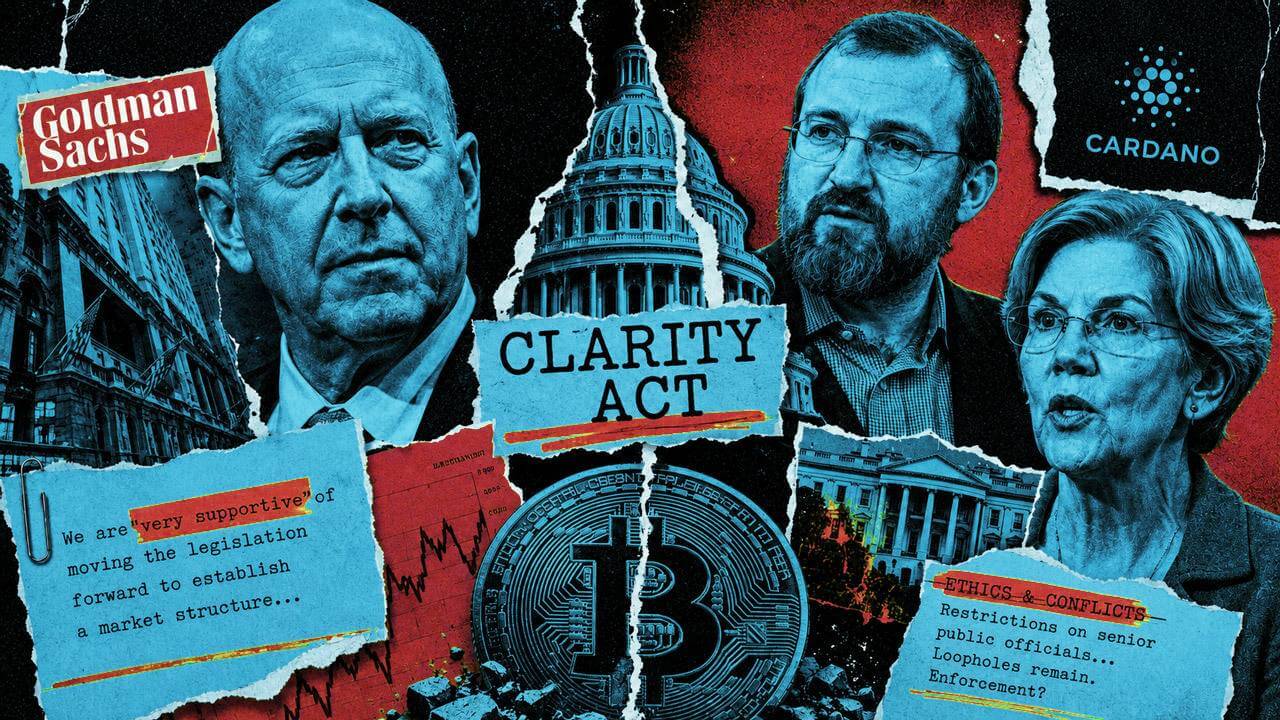
CLARITY Act splits Wall Street and crypto as Goldman Sachs breaks with banks and Charles Hoskinson backs Warren
The revised CLARITY Act is exposing unusual divisions across Wall Street, Washington and the crypto industry as lawmakers struggle...

North Korea arrests its own hackers for stealing from state banks and laundering through crypto
North Korea arrested former state cyber operators for hacking two state banks and laundering funds through crypto wallets, exposin...
EU Adds HTX to Russia Sanctions Two Months After UK's Action Against Crypto Networks
The European Union has added cryptocurrency exchange HTX to its latest package of sanctions against Russia, expanding efforts to r...

Bitcoin mining giant Poolin files for bankruptcy owing 11,700 users $164 million
Bitcoin mining pool Poolin Technology filed for Chapter 11 with $163.7 million in IOUs owed to wallet users. Its two Texas affilia...

EU authorities include HTX exchange in Russian sanctions
The exchange, already sanctioned by the UK, is now on a list of 18 entities “providing crypto-assets services or payment services“...

Elliptic Report Shows How Bitcoin ATM Scams Move From Cash To On-Chain Wallets
Elliptic has published a new report explaining how Bitcoin ATM scams work, and the most useful part is not the usual warning that...