Bank of Russia Suggests Tax Cuts for Long-Term Digital Asset Holders
The Central Bank of Russia is proposing to introduce tax incentives for long-term holders of digital financial assets. The idea has been circulated with a consultation paper published for public discussions on the develo...
Archive context
Older archive item. Useful for background and entity history, but not a fresh market-moving signal.
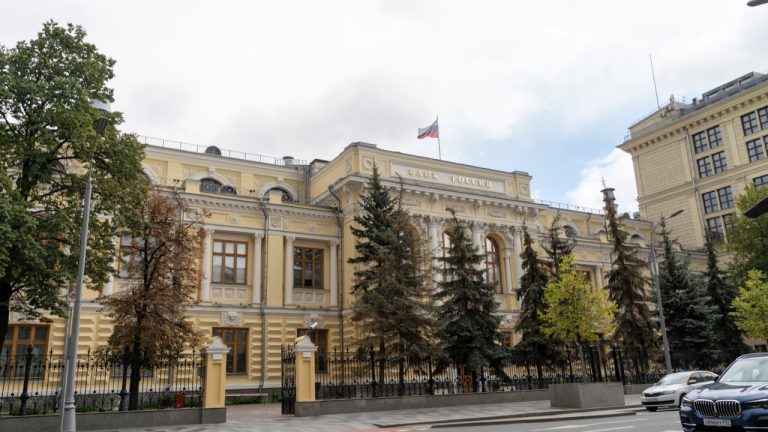
The Central Bank of Russia is proposing to introduce tax incentives for long-term holders of digital financial assets. The idea has been circulated with a consultation paper published for public discussions on the development of the digital asset market in the Russian Federation.
Bank of Russia Talks Regulation in New Report Devoted to Digital Assets MarketRussia’s monetary authority has published a report on the future of the Russian digital asset sector. The document explores the development of the market for digital financial assets (DFAs) and utility digital rights (UDRs), and legal terms partially covering cryptocurrencies and tokens — those with an issuing entity, in particular.
The Central Bank of Russia (CBR) believes that additional regulations are needed to improve the DFA framework and harmonize it with the rules that govern the traditional financial industry. According to the regulator, this would increase investment, circulation, and liquidity while ensuring better investor protection.
Taxation is one the aspects reviewed in the consultation paper. The Bank of Russia proposes to offer tax incentives for investors holding long-term DFAs and UDRs, suggesting the adoption of a mechanism similar to a special tax regime that applies to holders of individual investment accounts. The latter was introduced with the aim to attract citizens’ free funds to the securities market.
The CBR believes its proposal would create new opportunities for Russian citizens and businesses, simplify transactions with digital assets and digital rights, and reduce operating costs. However, it notes that additional discussions with relevant government institutions and market participants are needed before approving such tax incentives.
Russia’s Central Bank Pushes for Better Identification of Digital Asset InvestorsThe Russian central bank also wants to see improvements in the identification procedures applied to DFA holders. Quoted by RBC Crypto, the monetary policy regulator explained this would allow the country to let foreign DFAs enter its market, adopt regulations designed specifically for smart contracts, and develop necessary accounting procedures.
Among the other proposals for which the CBR is seeking feedback in the next month is the idea to facilitate the tokenization of various assets such as securities and bonds, precious stones and metals, property rights in the form of non-fungible tokens, and claims secured by mortgages. The Bank of Russia also wants the public discussions to cover the listing of digital assets on existing exchanges and digital asset transactions through intermediaries.
Russia has been looking to expand its regulatory framework for DFAs and the institutional debate over the status of decentralized assets such as cryptocurrencies has been going on for months. While the central bank called for a blanket ban on crypto activities in January, it later agreed with the finance ministry in Moscow to legalize cross-border crypto payments. The change in its stance came amid increasing sanctions pressure over Russia’s invasion of Ukraine which started in late February.
Do you think the Russian government will adopt tax incentives for digital asset holders? Share your expectations in the comments section below.
Why this matters
This cryptocurrency story adds another data point to the current market tape and is useful when read alongside nearby source coverage.
Original source
Read on Bitcoin NewsRelated market context
Bloomberg Adds Basel Crypto Exposure Classification For Banks And Asset Managers
TL;DR: Bloomberg has expanded its crypto analytics to classify bank exposure under Basel standards, including indirect holdings hi...
Irish Central Bank Fines Coinbase Unit €3.25 Million Over Customer Fund Safeguards
TL;DR: Ireland’s central bank imposed a €3.25 million penalty on Coinbase Ireland over electronic-money safeguarding and outsourci...

Ripple Study Finds Banks Could Unlock $100M Beyond Crypto Custody
Digital asset services and custody choices could improve a regional bank’s financial results by up to $100 million, according to r...

Bitwise Dogecoin ETF Reaches Scheduled Liquidation As Holders Face Cash Redemption
TL;DR: Bitwise’s BWOW Dogecoin ETF reached its announced October 22 liquidation distribution date, with remaining shareholders due...
US Senator Questions Tether Over Reported Payments Linked To Former Crypto Adviser
TL;DR: Senator Richard Blumenthal has demanded records from Tether and consultancy Nxum over reported payments and potential ethic...
Bank Lobby Presses OCC For Clarity On Stablecoin Rewards After Final Rule
A final stablecoin rule has not ended the argument over rewards. The Bank Policy Institute used its October 24 newsletter to renew...