Binance Targets EU Regulatory License As MiCA Deadline Puts Exchanges Under Pressure
The Binance European regulatory path is back in focus as the MiCA deadline approaches, with the exchange’s EU licensing strategy becoming a key test of how global crypto platforms adapt to the bloc’s new rulebook. TL;DR...
Watchlist
Archive context. The story has cross-source confirmation.

The Binance European regulatory path is back in focus as the MiCA deadline approaches, with the exchange’s EU licensing strategy becoming a key test of how global crypto platforms adapt to the bloc’s new rulebook.
TL;DR- Binance has been pursuing a European authorization route under the MiCA framework.
- The end of the EU transition period is raising pressure on exchanges that still need full approval.
- The issue matters because MiCA authorization can allow passported services across the bloc.
- For users, the watch point is whether platforms communicate orderly transition plans if approval timelines slip.
Binance has repeatedly framed regulation as central to its European strategy, with the company’s regulation blog outlining its broader compliance priorities. That strategy is now being tested as the EU’s Markets in Crypto-Assets regime moves toward full operational pressure for crypto-asset service providers.
Under MiCA, firms that secure authorization in one EU member state can generally use that approval to serve customers across the bloc. For a global exchange, that passporting model is valuable. It turns one successful regulatory application into a much wider European operating base. But the same framework also creates a hard line for firms that do not complete the process in time.
Why The Licensing Outcome MattersFor Binance, the issue is not simply reputational. European authorization affects product availability, user continuity, and the exchange’s ability to compete against firms that already have clearer local licenses. If approval is delayed or denied, the company may need to narrow services, migrate users, or provide transition arrangements in affected markets.
That is why the story matters beyond Binance itself. MiCA is becoming a live filter for the exchange sector. Larger platforms may be able to absorb compliance costs and restructure entities. Smaller firms may struggle. The result could be a more concentrated European crypto market, with fewer operators but clearer regulatory expectations.
MiCA Is Changing The Exchange PlaybookCrypto exchanges used to scale internationally first and solve local licensing later. MiCA pushes that model in the opposite direction. The new European playbook is authorization first, passporting second, expansion third. That requires stronger compliance teams, clearer custody arrangements, consumer-protection processes, and closer communication with national regulators.
For customers, the most important issue is clarity. If an exchange can continue serving users under MiCA, users need to know which entity they are dealing with and what protections apply. If an exchange cannot, users need enough notice to move assets or adjust trading arrangements without a last-minute scramble.
The Bigger Market SignalThe Binance situation is a useful signal for the rest of the industry. Europe is not banning crypto trading, but it is making access conditional on formal authorization. That creates friction in the short term and may reduce platform choice, but it also gives compliant firms a clearer route to regulated scale.
For traders, the near-term market impact may be limited unless service changes affect liquidity or user access. For the industry, though, the message is clear: the European crypto market is becoming less forgiving of unfinished regulatory work.
This article was written by the News Desk and edited by Samuel Rae.
Originally published on the Binance Blog at Binance Blog
Why this matters
Binance is showing up inside the Regulation theme, so this story is worth tracking for follow-through rather than treating it as a one-off headline.
Original source
Read on NewsBTCRelated market context

Russia Adds Sberbank to Crypto Exchange Register, Joining 9 Firms Before Dec. 1 Launch
Key Takeaways: The Central Bank of Russia has granted Sberbank permission to provide cryptocurrency exchange. Nine companies were...
BingX EU Secures Austrian MiCA Licence to Enter 29 EEA Markets
BingX EU, operated by MEGE zweite GmbH, has secured a licence under the Markets in Crypto-Assets Regulation from Austria’s Financi...
Kraken Parent Company Payward to Buy Saldo Bank in European Banking Push
Bitcoin Magazine Kraken Parent Company Payward to Buy Saldo Bank in European Banking Push Payward, the parent company of crypto ex...

EU Banking Regulator Takes Over Key Oversight of Circle’s USDC Stablecoin
The European Banking Authority (EBA) classified Circle's USDC as a significant e-money token under the Markets in Crypto-Assets Re...

Binance News: Miners Must Move Before Pool Closes on November 10
In Binance news today, the exchange will shut down Binance Pool and related services at 07:00 UTC on November 10, 2026, ending its...
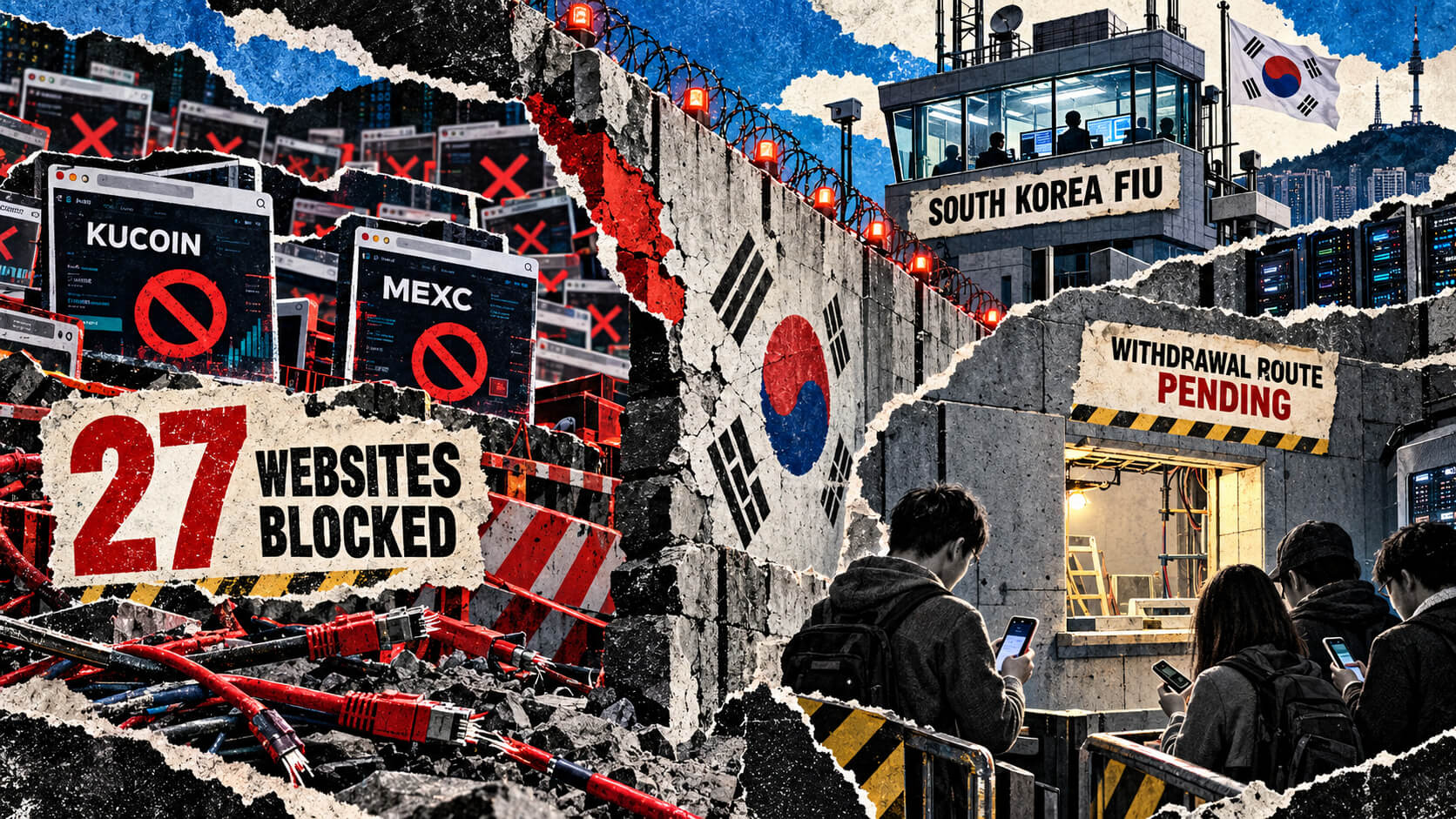
South Korea locks out crypto users as 27 exchange sites go dark
FIU plans withdrawal guidance through DAXA with operators’ cooperation as website restrictions raise access concerns for existing...