BlockFi Lost California License Two Years After Bankruptcy
The California Department of Financial Protection and Innovation (DFPI) has now permanently revoked the license of bankrupt crypto lender BlockFi, two years after initially suspending it.An Array of ViolationsAnnounced y...
Archive context
Older archive item. Useful for background and entity history, but not a fresh market-moving signal.

The California Department of Financial Protection and Innovation (DFPI) has now permanently revoked the license of bankrupt crypto lender BlockFi, two years after initially suspending it.
An Array of Violations
Announced yesterday (Friday), the state regulator disclosed that BlockFi has agreed to settle by accepting the license revocation. The bankrupt company further agreed to cease any practices that violated regulations or posed risks to consumers.
According to the DFPI’s latest report, BlockFi breached license conditions by failing to evaluate borrowers’ repayment ability and by charging interest before loan proceeds were disbursed. Additionally, the platform did not provide credit counselling to consumers, failed to report payment histories to credit bureaus, and inaccurately disclosed annual percentage rates (APRs) in loan documents.
“While we encourage innovation in our financial marketplace, companies must comply with laws and protect consumers to continue operating in California,” said DFPI Commissioner Clothilde V. Hewlett.
Creditors Await Settlements
BlockFi’s troubles began after the collapse of Sam Bankman-Fried’s FTX, which led the crypto lender to file for bankruptcy in November 2022. BlockFi, which offered crypto lending services to retail clients, had significant exposure to the collapsed exchange, totalling up to $1.2 billion.
Earlier this year, BlockFi reached a settlement with FTX, securing up to $874 million in potential repayments. This allowed BlockFi to sell its FTX claims and prepare for a final distribution to creditors. According to BlockFi’s bankruptcy estate, the goal is to return “100 percent” of distressed clients’ claims, though these will be valued based on the date of bankruptcy, not the current crypto market rates.
While the collapse of FTX revealed vulnerabilities in BlockFi’s model, the California regulator had already been investigating similar platforms. The DFPI previously disclosed its scrutiny of crypto companies offering interest-bearing accounts, though it did not specifically name BlockFi at the time.
This article was written by Arnab Shome at www.financemagnates.com.Why this matters
This cryptocurrency story adds another data point to the current market tape and is useful when read alongside nearby source coverage.
Original source
Read on Finance MagnatesRelated market context

Coincheck Launches 2x Crypto CFDs Six Years After Ending Margin Trading
Japanese cryptocurrency exchange Coincheck has staged a comeback in crypto derivatives more than six years after closing its previ...
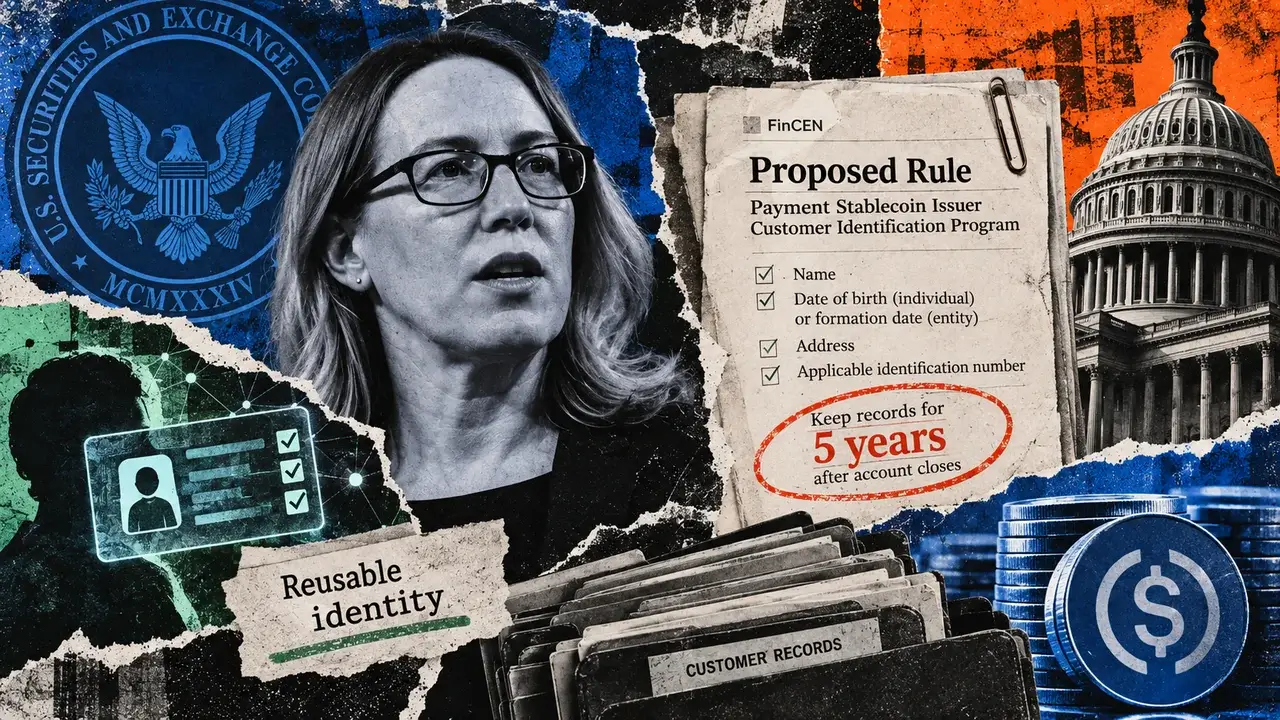
SEC’s Hester Peirce wants to end crypto’s KYC honeypots before stablecoin rules create more of them
US Securities and Exchange Commission (SEC) Commissioner Hester Peirce wants financial firms to stop stockpiling customer data aft...

OKX – Why The Future Of Crypto Is Regulated
Why you should listen It is unusual to hear a crypto executive defend regulators without any visible reluctance, and Lin does it f...
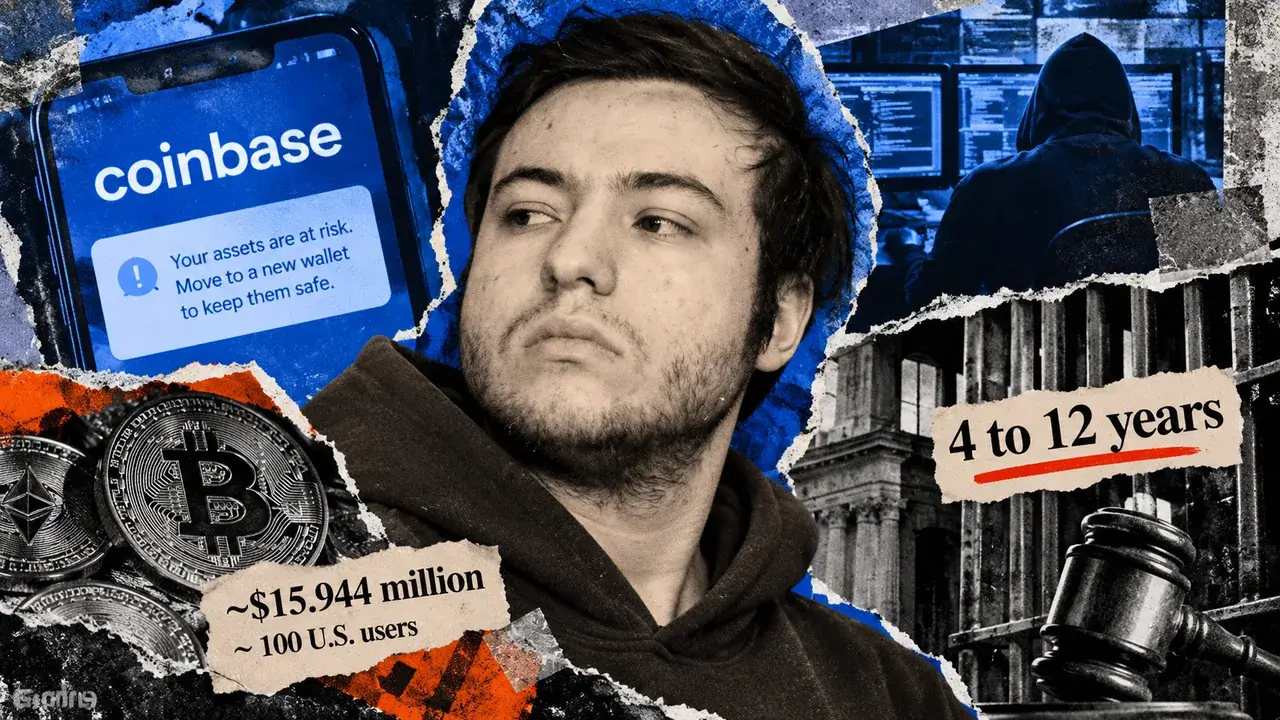
Man sentenced to 12 years for $16M Coinbase customer support scam
A Brooklyn man was sentenced to as much as 12 years in prison for stealing nearly $16 million from Coinbase users. On Sept. 23, Ro...

Brooklyn Man Sentenced to 12 Years for $16M Coinbase Phishing Scam
Bitcoin Magazine Brooklyn Man Sentenced to 12 Years for $16M Coinbase Phishing Scam A scammer who went by the online name “lolimfe...

Brooklyn Man Sentenced to Up to 12 Years Over $16 Million Coinbase Social Engineering Scheme
A Brooklyn man faces up to 12 years for a $16 million social engineering scheme targeting Coinbase users. What the sentence means...