BoE Governor Warns Stablecoin Boom Could Undermine Monetary Trust – Central Banks on Alert
Key Takeaways: BoE Governor Andrew Bailey said the definition of a reserve currency is shifting, now centered on liquidity and safety rather than convertibility. He warned that stablecoins could weaken monetary trust if...
Archive context
Older archive item. Useful for background and entity history, but not a fresh market-moving signal.
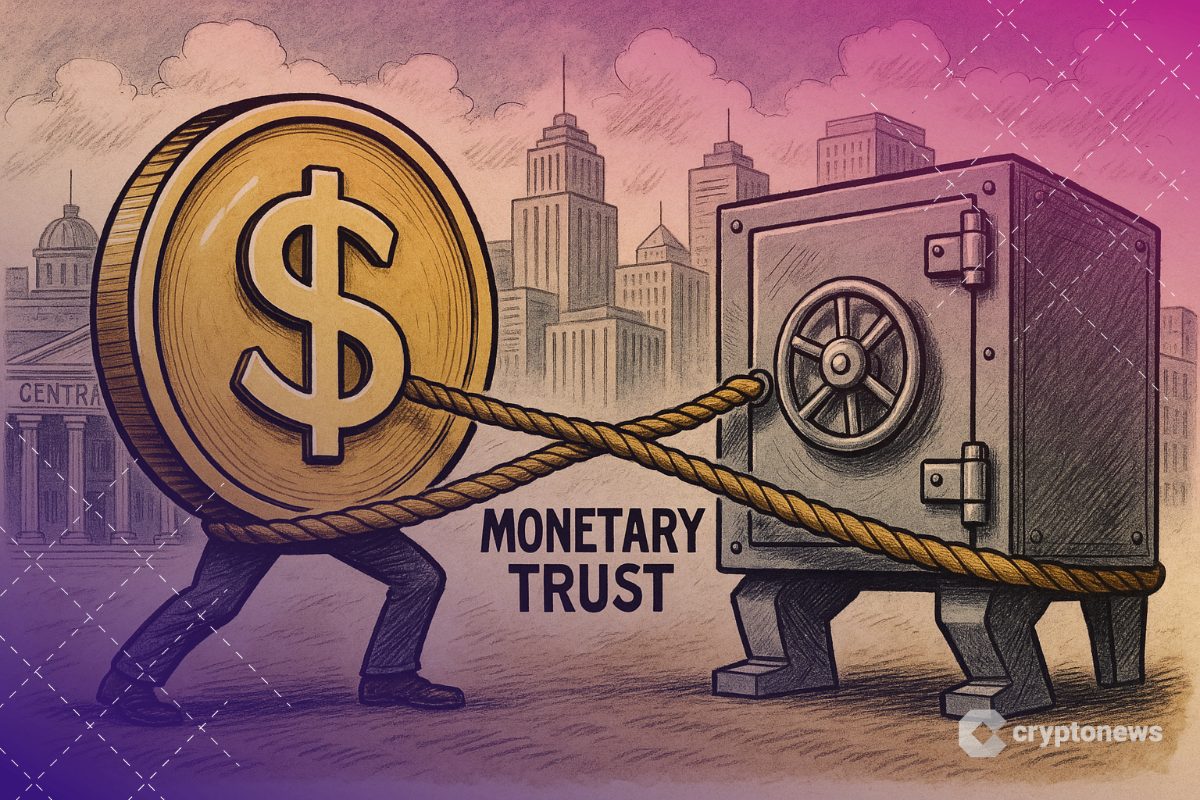
Key Takeaways:
- BoE Governor Andrew Bailey said the definition of a reserve currency is shifting, now centered on liquidity and safety rather than convertibility.
- He warned that stablecoins could weaken monetary trust if widely adopted outside regulatory frameworks.
- Bailey called on central banks to reassess their role amid payment innovation and cross-border liquidity risks.
Bank of England Governor Andrew Bailey cautioned that emerging digital forms of money, including stablecoin, could introduce risks to the financial system if not properly regulated.
According to remarks published on July 3 from Bailey’s speech at the Andrew Crockett Memorial Lecture, the concept of a “reserve currency” has evolved over time and now depends less on a fixed monetary anchor and more on the presence of secure, liquid assets such as U.S. Treasuries and the provision of contingent liquidity by central banks.
Stablecoin Growth May Disrupt Financial TrustHe noted that the use of reserves has shifted from backing currency convertibility to preserving financial stability in the face of capital flows.
“First, at least for the large economies, it could be asked today, what is the point of official reserves?” he said.
He argued that in current conditions, reserves serve to support liquidity in moments of stress, not to manage currency pegs.
Bailey added that any changes in the structure of money, such as the introduction of private stablecoins, should be monitored closely for potential effects on monetary trust and the “singleness of money.”
“If, for instance, stablecoins emerge as a new form of money, we have to decide how to ensure the singleness of money and therefore trust in money in this world, and what role the notion of reserve currency should play here,” he said.
The Monetary Policy Committee voted by a majority of 6-3 to keep interest rates at 4.25%
Find out more: https://t.co/rcGJUYFkWZ pic.twitter.com/VkO9vZyjgS
He framed these developments as a challenge for central banks, especially if stablecoin gains widespread use outside regulated frameworks. Bailey said future work should focus on defining the role of reserve currencies in systems where new payment technologies may bypass traditional oversight.
Bailey emphasized the adaptive nature of the reserve currency concept and the need for clarity in how these terms are applied in future monetary systems.
Some regulators are warning that uncoordinated adoption of stablecoins could lead to fragmented monetary systems. Without shared rules, private tokens might circulate outside central oversight, weakening policy tools and complicating cross-border financial stability measures.
Interoperability is also under review. Authorities are assessing how stablecoins can maintain consistent value while meeting legal and risk standards. This includes deciding whether such instruments should be treated as part of the official monetary system or kept in separate frameworks.
Frequently Asked Questions (FAQs)What does Bailey mean by the “singleness of money”?He refers to the idea that all money used in an economy should be interchangeable at face value and backed by a common framework. Multiple forms of money without unified standards could compromise this trust.
What role do central bank swap lines play in reserve currency status today?Swap lines and repo facilities provide liquidity backstops that reinforce the dollar’s reserve currency role, especially in stressed conditions, replacing gold or pegged exchange rates from earlier systems.
Is there any precedent for privately issued money disrupting state monetary systems?In the 19th century, U.S. banks issued their own notes, leading to instability and prompting the creation of a national currency framework. Stablecoins raise comparable risks in a digital context.
Could stablecoins be integrated into official reserves?It’s theoretically possible, but they would need to meet high standards for security, liquidity, and legal clarity. Most current stablecoins do not meet these thresholds.
The post BoE Governor Warns Stablecoin Boom Could Undermine Monetary Trust – Central Banks on Alert appeared first on Cryptonews.
Why this matters
This cryptocurrency story adds another data point to the current market tape and is useful when read alongside nearby source coverage.
Original source
Read on CryptonewsRelated market context

State of TRON Q3 2026 Report Highlights $2.21 Trillion in Stablecoin Settlement Amid Network Activity Growth
Geneva, Switzerland, October 12, 2026 — TRON DAO, the community-governed DAO dedicated to accelerating the decentralization of the...

Ark Invest’s Lorenzo Valente: Bitcoin’s 5-Year Forecast – Stablecoin & Gold Impacts
Bitcoin Magazine Ark Invest’s Lorenzo Valente: Bitcoin’s 5-Year Forecast – Stablecoin & Gold Impacts Bitcoin has been flat to down...
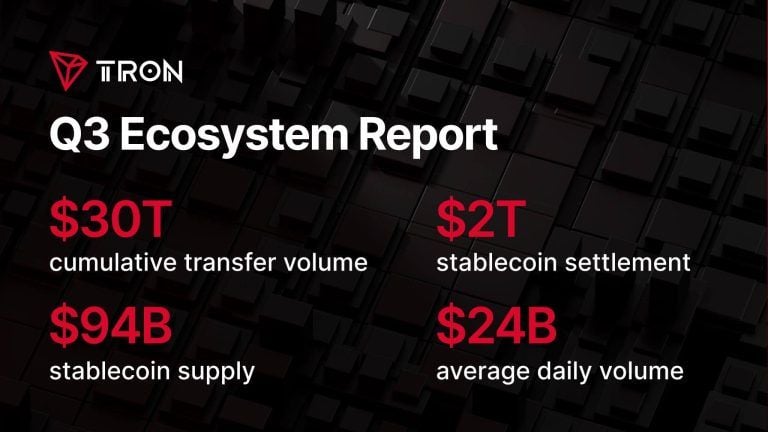
State of TRON Q3 2026 Report Highlights $2.21 Trillion in Stablecoin Settlement Amid Network Activity Growth
Geneva, Switzerland, October 12, 2026 — TRON DAO, the community-governed DAO dedicated to accelerating the decentralization of the...
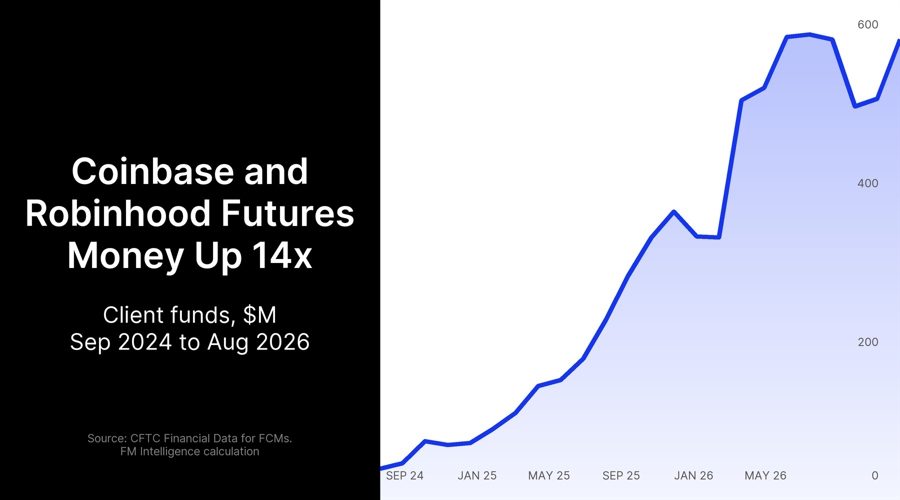
Coinbase and Robinhood Futures Arms Now Hold More Client Money Than the US Retail Forex Pool
The futures brokers of Coinbase and Robinhood held $581.4 million of segregated client money at the end of August. That is more th...

USDC traded $40.2 billion on DEXs during Q3 weekends while banks were closed
USDC's weekend DEX trading highlights the growing shift towards decentralized finance, challenging traditional banking's operation...
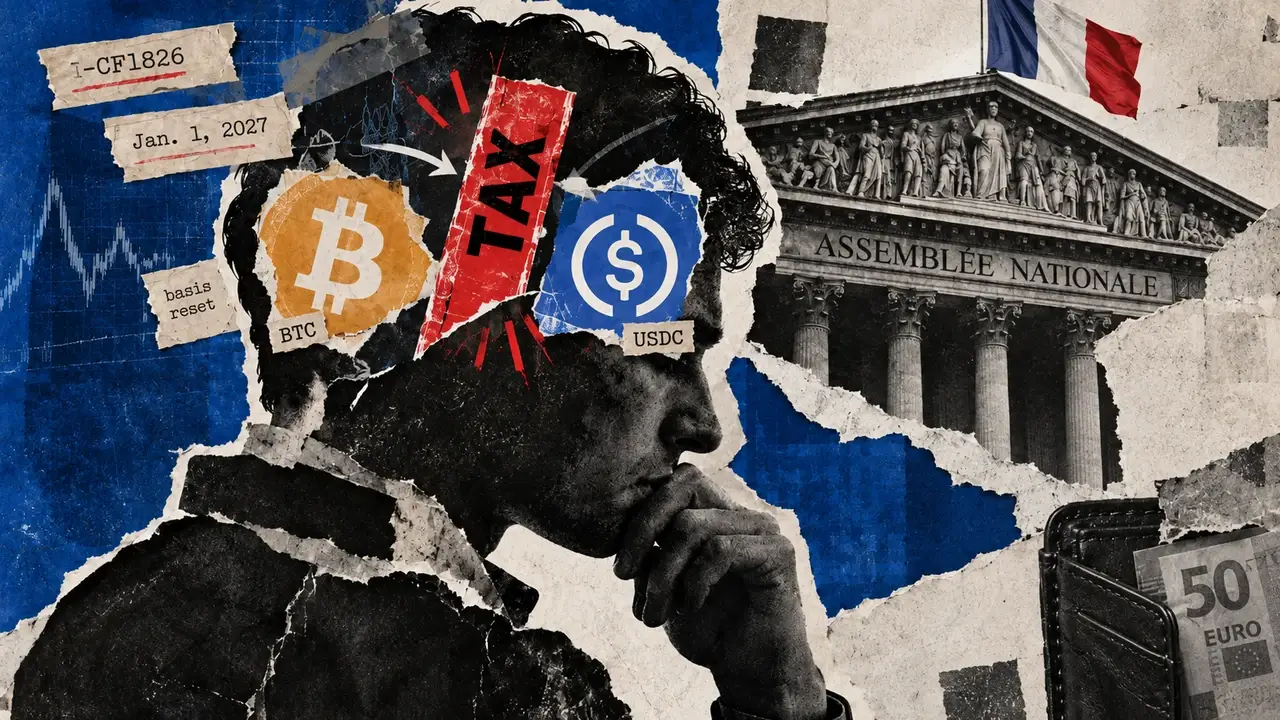
France’s tax proposal would tax Bitcoin-to-USDC swaps before investors cash out
France’s proposed crypto tax changes would make a move from Bitcoin or Ether into certain stablecoins a taxable disposal, even if...