Breaking: Binance's Changpeng Zhao Handed Four Months in Prison
Binance's Founder, Changpeng Zhao, has been sentenced to four months in prison after pleading guilty to charges related to allowing money laundering on the cryptocurrency exchange, the Financial Times reported. The sente...
Archive context
Older archive item. Useful for background and entity history, but not a fresh market-moving signal.

Binance's Founder, Changpeng Zhao, has been sentenced to four months in prison after pleading guilty to charges related to allowing money laundering on the cryptocurrency exchange, the Financial Times reported. The sentence, handed down in a Seattle federal court, marked a significant development in the ongoing legal battles involving Binance and Zhao.
Plea Deal and Sentencing
Zhao's sentencing occurred after he struck a deal with the U.S. government in November to resolve a longstanding investigation into Binance. As part of the settlement, Zhao agreed to step down as the exchange's CEO.
The sentence issued is less severe despite federal prosecutors seeking a three-year prison term. The defense had advocated for five months of probation, while sentencing guidelines suggested a term of 12 to 18 months. Zhao was convicted of willfully failing to implement effective anti-money laundering programs on Binance as required by the Bank Secrecy Act.
Additionally, he is convicted of allowing Binance to process transactions involving proceeds of unlawful activity, including those between Americans and individuals in sanctioned jurisdictions. As part of the resolution, Binance was ordered to pay $4.3 billion in fines last year. Zhao agreed to personally pay a fine worth $50 million.
Binance’s former chief Changpeng Zhao sentenced to 4 months in jail https://t.co/vySulvvr7W
— Financial Times (@FT) April 30, 2024Pending Legal Battles
Beyond Zhao's sentencing, Binance faces other legal challenges. The exchange was separately sued by the US Securities and Exchange Commission (SEC) and the Commodity Futures Trading Commission (CFTC) over allegations of mishandling customer assets and operating an illegal and unregistered exchange in the US.
Early this year, a federal judge rejected Zhao's request to travel to the United Arab Emirates. The judge denied the plea due to concerns about flight risk despite Zhao offering substantial collateral, including his equity in Binance.
Meanwhile, the Securities and Exchange Commission (SEC) of the Philippines recently took action against Binance. According to the regulator, the leading crypto exchange has continued to operate without the required license despite warnings dating back to November 2023. The SEC's action includes a formal request to the National Telecommunications Commission to block Binance's website and associated web pages.
Binance's regulatory woes are not limited to the Philippines. Regulatory bodies worldwide have intensified scrutiny of the exchange's activities, citing investor protection and compliance concerns. Binance has encountered regulatory hurdles from France to Nigeria, comprising warnings and lawsuits.
This article was written by Jared Kirui at www.financemagnates.com.Why this matters
This cryptocurrency story adds another data point to the current market tape and is useful when read alongside nearby source coverage.
Original source
Read on Finance MagnatesRelated market context
UK Brings Crypto Under Full FCA Oversight for the First Time
Bitcoin Magazine UK Brings Crypto Under Full FCA Oversight for the First Time The UK’s Financial Conduct Authority has opened appl...

Polymarket introduces sportsbook-style safeguards amid regulatory scrutiny
Polymarket's legal challenges highlight the tension between state and federal oversight, potentially reshaping the regulatory land...
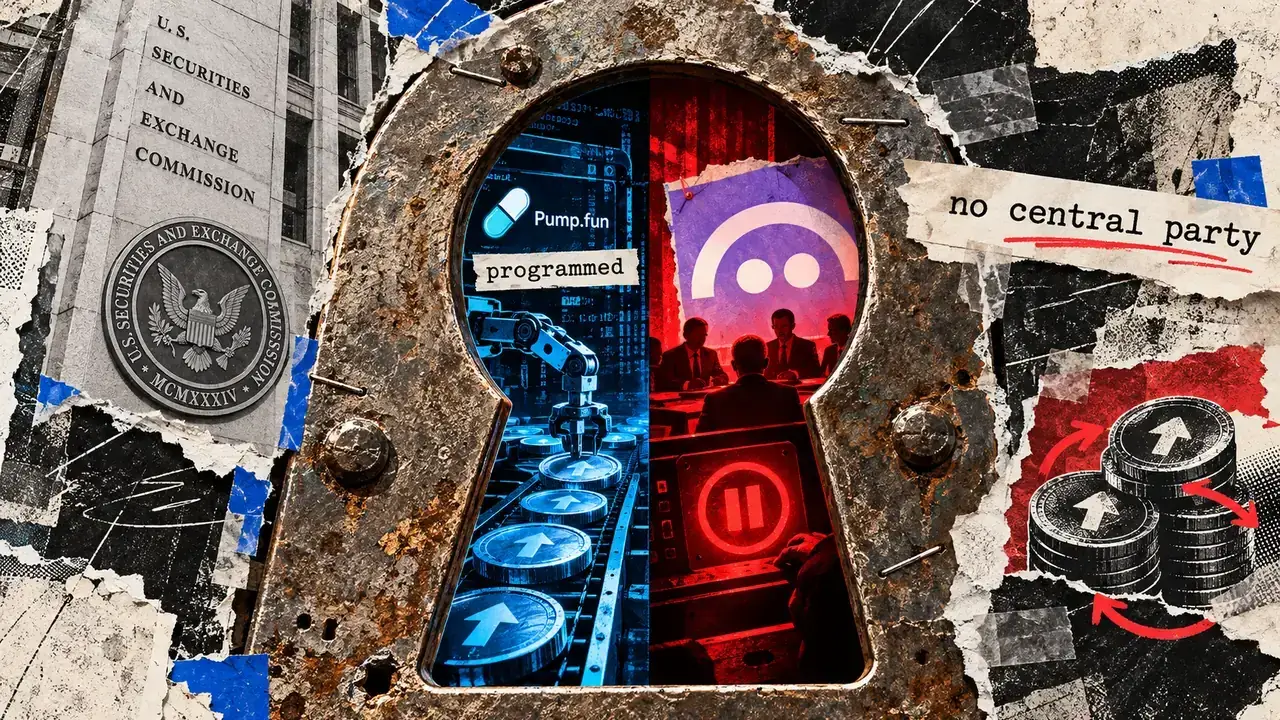
SEC changes token buyback guidance as spending hits $638M
The US Securities and Exchange Commission tightened its guidance for crypto token buybacks just three days after publishing it. On...
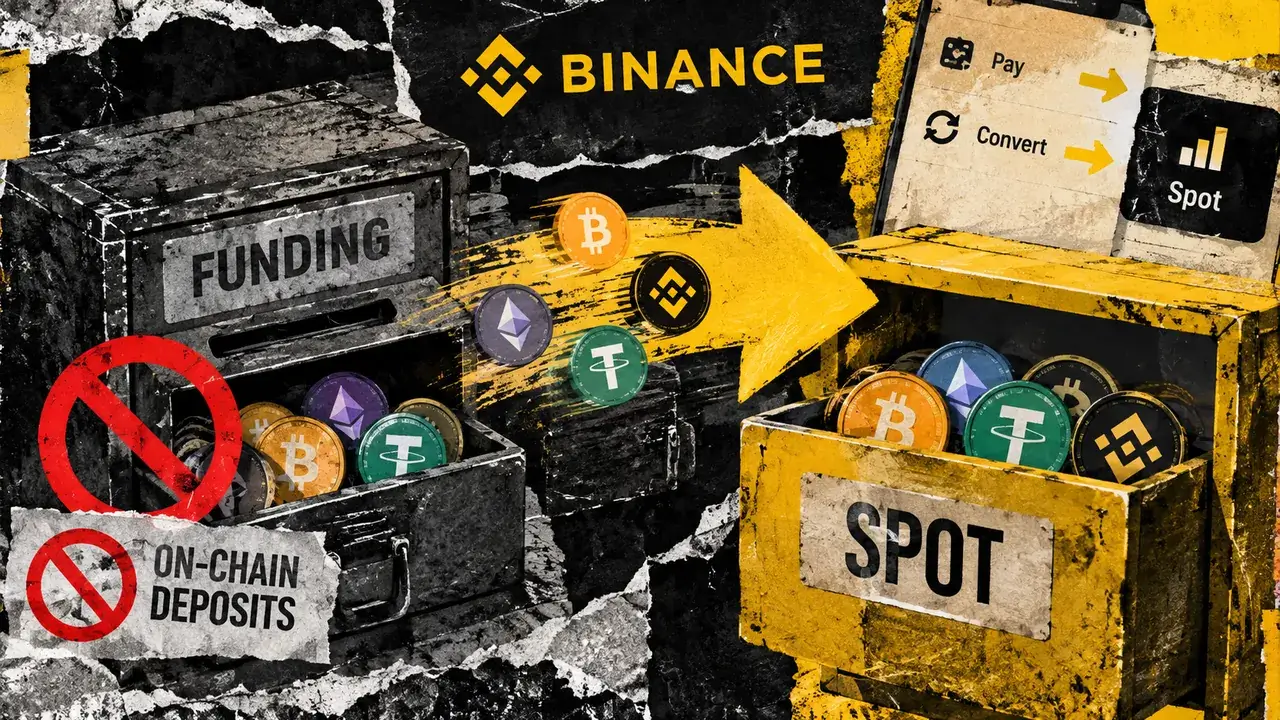
Binance ends Funding Account crypto deposits as Pay and Convert move to Spot
From Sept. 29, Binance says Funding Accounts no longer accept direct on-chain crypto deposits. Users depositing crypto must use Sp...

The SEC’s Buyback Guidance Is Narrower Than It Looks. Does Yours Pass the Test?
Crypto projects that buy back their own tokens have operated under a dour legal cloud within the US for nearly a decade. A buyback...

European Commission reviews MiCA regulations to balance market access and compliance costs
MiCA's evolving framework may reshape EU crypto markets, impacting compliance costs and market dynamics, with potential regulatory...