Can Stronger Regulation Secure the Long Term Future of Stablecoins?
Stablecoin Interoperability: Challenges and SolutionsStablecoins, a form of digital currency pegged to a stable asset such as the U.S. dollar, have the potential to revolutionize the financial ecosystem. As major banks a...
Archive context
Older archive item. Useful for background and entity history, but not a fresh market-moving signal.
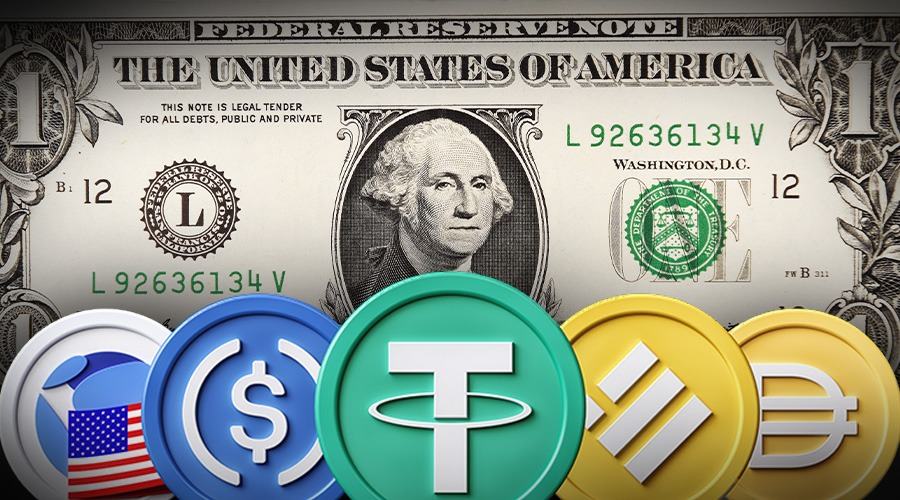
Stablecoin Interoperability: Challenges and Solutions
Stablecoins, a form of digital currency pegged to a stable asset such as the U.S. dollar, have the potential to revolutionize the financial ecosystem. As major banks and financial institutions begin to launch their stablecoins or tokenized deposit systems, the future of stablecoins is closely tied to interoperability.
However, due to the market's competitive nature, there is unlikely to be interoperability between these different stablecoins. This lack of interoperability also extends to DeFi and bank-issued stablecoins, as banks aim to advance the tokenization of their products. In the long run, the same way solutions such as decentralized exchanges or cross-chain interoperability protocols serve DeFi the same may emerge to provide interoperability between stablecoins. As the market matures, large players may also be acquisitions of smaller stablecoin issuers, consolidating the market and making it easier for users to move between different stablecoins and platforms.
Overcoming Regulatory Hurdles
The emergence of stablecoins has the potential to significantly transform the financial landscape. However, there are currently significant challenges related to regulation that need to be addressed. Policymaking surrounding stablecoins is often uncertain, which has led many major institutions to take a wait-and-see approach until regulators provide clear guidelines. It is important to note that strict regulation is not necessarily the answer to these challenges. Instead, what is needed is a comprehensive framework that addresses specific concerns and issues surrounding stablecoins. This will provide a sense of certainty and stability to the market, which, in turn, will attract more institutional players and investors. Blockchain technology can play a key role in this process by providing greater transparency and traceability, which can aid in regulatory compliance. By addressing these regulatory challenges and providing a clear framework for stablecoins, we can unlock their full potential and revolutionize the financial ecosystem.
Watch the recent FMLS22 session on "Forex and Crypto Trends 2023."
Stablecoins Contradictions in the World of Cryptocurrency
The current stablecoin market goes against the foundational principles of cryptocurrencies. Most stablecoins lack clear obligations and collateral, which makes it necessary for the public to put their trust in the issuer as no infrastructure can be independently verified. This undercuts the fundamental tenet of cryptography, "Verify, Don’t Trust." Additionally, most stablecoins suffer from severe centralization problems, with centralized exchange partners, custodians, and investment decisions. This violates another fundamental, which is decentralization. Stablecoin issuers also rely on their risk and compliance, and often those of exchanges, to issue their stablecoin. Many of them will have users onboard through their platform or their exchange platform, requiring issuance to their custody on their terms, which often come with lock-ups restricting withdrawals, undermining the principle of "not your keys, not your coins," another core principle of crypto.
Ensuring Stability for Stablecoins
To ensure the stability of the market and protect the interests of investors, regulators need to provide clear guidance and oversight for the stablecoin market. It's also important for stablecoin issuers to be transparent and accountable in their operations by providing clear information about the assets that back the stablecoin, the methods used to maintain its stability, and any risks associated with the stablecoin. They should also adhere to crypto principles, such as decentralization, transparency, and security. This will help to build trust in the stablecoin among users and investors. Only then can stablecoins truly revolutionize the financial ecosystem and provide the benefits of instant, low-cost transactions and increased transparency to users.
Bradley Allgood is the CEO & Co-Founder of Fluent Finance
This article was written by Bradley Allgood at www.financemagnates.com.Why this matters
This cryptocurrency story adds another data point to the current market tape and is useful when read alongside nearby source coverage.
Original source
Read on Finance MagnatesRelated market context

Stablecoin cards enter ‘hyper growth’ mode as monthly spending hits record $1.17 billion
Stablecoin card spending is accelerating to record levels, but the payment rail remains a fraction of the traditional card market....

Open USD Stablecoin Goes Live as Stripe, Visa and Mastercard Open It to Businesses
Open USD (OUSD), the dollar stablecoin backed by Coinbase, Mastercard, Shopify, Stripe and Visa, went live on Wednesday, its opera...

UK Brings Crypto Under Full FCA Oversight for the First Time
Bitcoin Magazine UK Brings Crypto Under Full FCA Oversight for the First Time The UK’s Financial Conduct Authority has opened appl...

Aave’s $50 million lending plan could lose money without a single default
Aave’s proposed institutional lending business would put crypto collateral on both sides of the financing chain. Institutions woul...

FCA Opens Five-Month Authorisation Window for UK Crypto Firms
The UK's financial regulator has given crypto companies five months to apply for FCA authorisation if they want their applications...

Abracadabra Moves to Shut Down MIM Stablecoin, Offering Holders Roughly 4 Cents per Token
The team running Abracadabra has proposed shutting down the lending protocol and its Magic Internet Money (MIM) stablecoin, with M...