Central Bank of Argentina Prepares New Regulations for Digital Wallets
The Central Bank of Argentina is reportedly working on a new group of regulations seeking to control the totality of the digital wallets in the country. This new legal framework is directed at stopping fraud said to be f...
Archive context
Older archive item. Useful for background and entity history, but not a fresh market-moving signal.
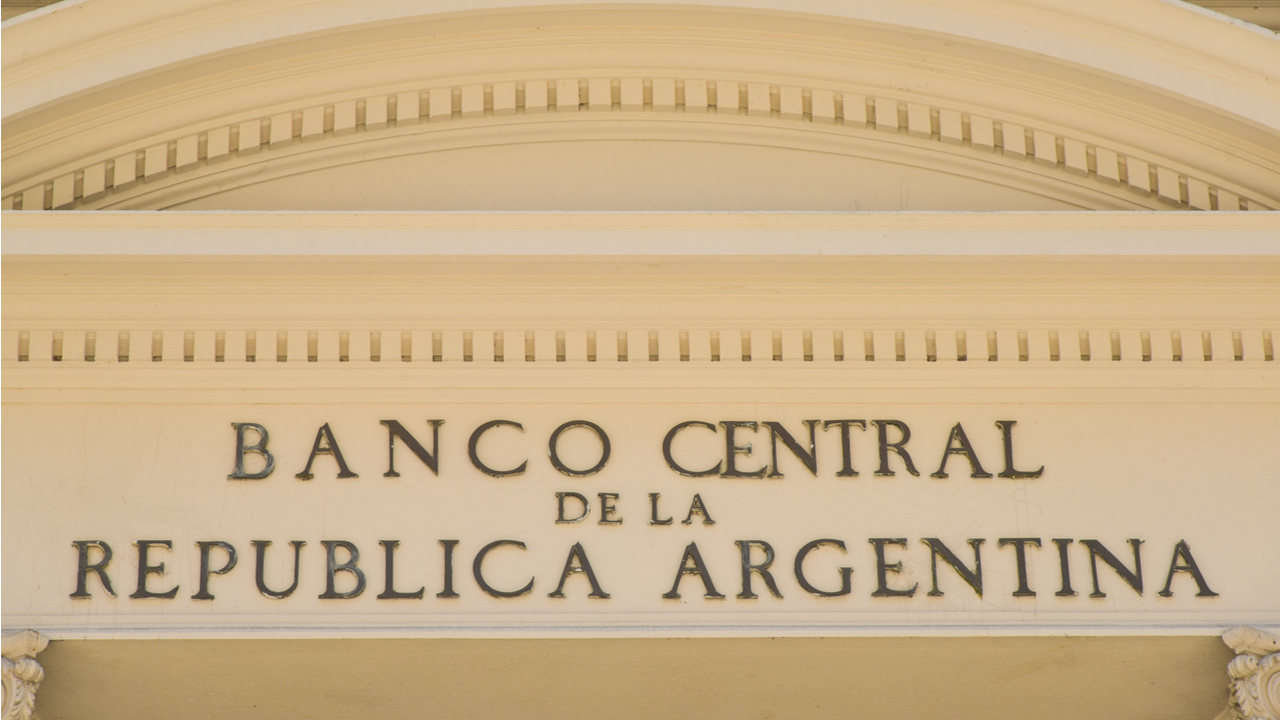
The Central Bank of Argentina is reportedly working on a new group of regulations seeking to control the totality of the digital wallets in the country. This new legal framework is directed at stopping fraud said to be facilitated by these tools. According to leaks on local media, the publication of the law is imminent.
Central Bank of Argentina Targets Digital WalletsThe Central Bank of Argentina has its sights on the use of digital wallets. The directory of the bank is reportedly producing a new set of regulations to better understand what’s happening with the funds in these wallets and improve their KYC measures. Regarding how this will be implemented, it stated:
It is not about prohibiting anything, but about applying the same rules that banks must comply with today in relation to knowing their customers.
The bank announced it is implementing these new rules because there is a large amount of fraud when it comes to the use of these tools, and some companies lack due diligence while onboarding customers. Not all wallets function in the same way, so the rules will have to be applied on a case-by-case basis, members of the central bank clarified.
The measure will allow the bank to control the stream of users that are currently operating these digital wallets like Mercado Pago, estimated at a number close to 30 million. Last year, the Central Bank of Argentina established that these companies had to preserve 100% of the funds of the customers in their bank accounts, crippling companies’ opportunity to profit from investments made with a portion of these funds.
Confiscations Already HappeningWhile the Central Bank is working out this new legal framework regarding digital wallets, the AFIP, which is the Argentinian Tax Authority, has already moved to confiscate the funds in digital wallets of taxpayers with debts. Almost 10,000 taxpayers are expected to have their digital wallets confiscated in the coming months.
This plan may already be in execution, as local media is reporting that the first case of these seizures has already happened. The first confiscation was reportedly requested by the AFIP and a judge authorized the institution to take control of the funds in the digital account to pay debts accumulated by the user. The state tried to seize the bank accounts of the taxpayer first, but the outcome of this action was negative.
What do you think about the new regulations for digital wallets in Argentina? Tell us in the comments section below.
Why this matters
This cryptocurrency story adds another data point to the current market tape and is useful when read alongside nearby source coverage.
Original source
Read on Bitcoin NewsRelated market context
SEC’s Crypto Custody Proposal Could Change How Funds Hold Digital Assets
TL;DR: The SEC has proposed a tailored crypto custody framework for advisers and regulated funds, but the changes are not yet fina...

XRP Eyes $15 as Ripple Wins Final Bank Approval Ahead of Swell
Ripple has secured final U.S. approval for its national trust bank, giving XRP investors another reason to watch the coin as Swell...

How Solana Supports Fast Crypto Payments in Digital Gaming
Picture a SOL holder on a quiet evening, watching the token tick sideways on a chart that hasn’t done much all week. Rather than r...

Brad Garlinghouse Announces Final OCC Approval for Ripple National Trust Bank
The decision completes a regulatory process that began with conditional approval in December 2025. The new charter is expected to...

Elon Musk’s Grok AI Predicts When Bitcoin Will Finally Hit its Ultimate Price Target
X and SpaceX CEO Elon Musk’s Grok AI predicts something potentially historic could be brewing for Bitcoin by January 1, 2027. This...

Hyperliquid Tests Access Controls, and Kraken’s Parent Wants to Use Them
Hyperliquid said on Oct. 26 that it is building an opt-in way for market deployers to limit who can trade, and that Payward, the p...