Chain abstraction explained: What it is and the problems it solves
Chain abstraction simplifies user experience by enabling interaction with assets and services across multiple blockchains, hiding technical complexities.
Archive context
Older archive item. Useful for background and entity history, but not a fresh market-moving signal.
Chain abstraction simplifies user experience by enabling interaction with assets and services across multiple blockchains, hiding technical complexities.
Why this matters
This cryptocurrency story adds another data point to the current market tape and is useful when read alongside nearby source coverage.
Original source
Read on CointelegraphRelated market context

CFTC Staff Let Futures Brokers Invest Customer Funds in Tokenized Assets, Keep Records Onchain
Futures brokers and clearinghouses regulated by the Commodity Futures Trading Commission can invest customer money in tokenized ve...

Arbitrum becomes first blockchain to reach 7,000 real-world assets
Arbitrum's milestone highlights blockchain's growing role in finance, yet regulatory clarity and liquidity challenges remain criti...

Ondo Puts BlackRock-Designed Portfolios Into Single Onchain Tokens
Ondo has launched three tokenized portfolios based on investment strategies developed by BlackRock specifically for the platform....
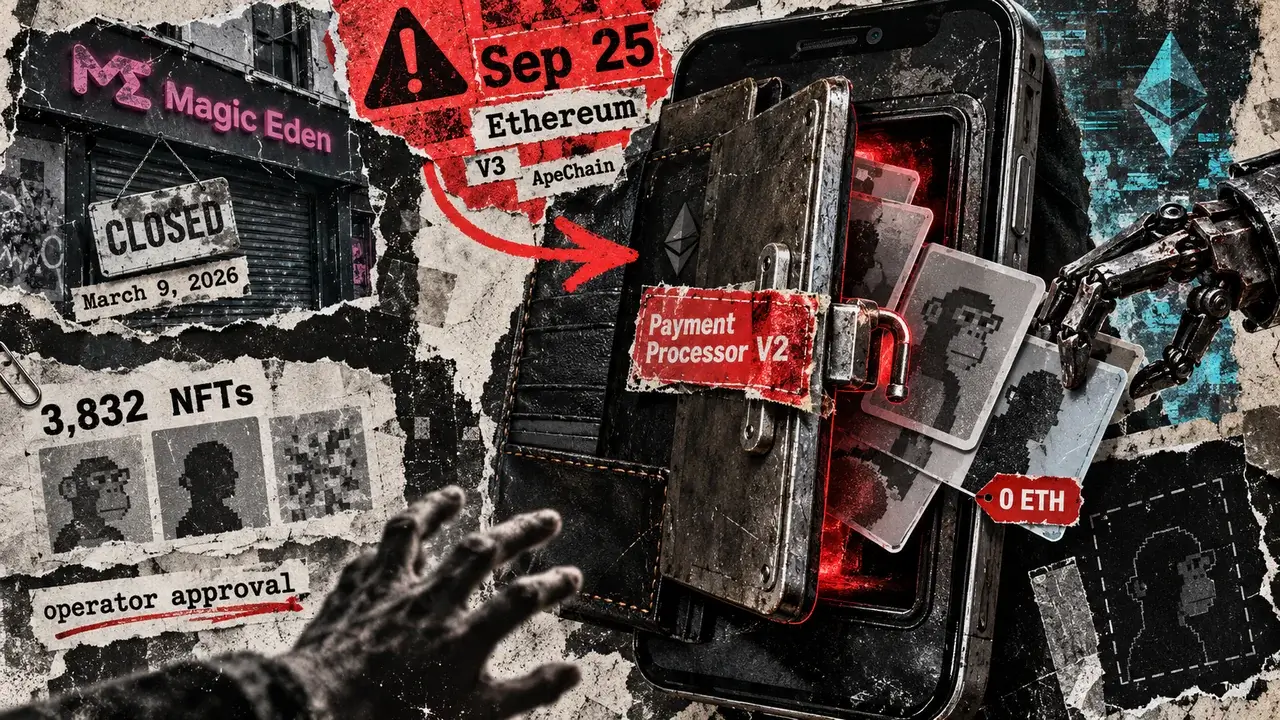
Old Magic Eden NFT approvals put users at risk after whitehat moves 3,832 NFTs
Old Magic Eden NFT approvals could still put some former users at risk months after the company closed its Ethereum marketplace. A...
ARK Brings $1.3B Venture Fund Onchain Through Securitize
ARK Invest is tokenizing its ARK Venture Fund through Securitize. The fund has roughly $1.3 billion in assets and invests across p...

Best Crypto Staking Platforms for 2026: 7 Options Compared
Staking is the closest thing crypto has to earning interest: you lock up a proof-of-stake asset to help secure its network, and in...