China Busts $2.2B Money Laundering Ring Involving Crypto Platforms
Cryptocurrencies are still in use in China as the authorities in the country have cracked down on a $2.2 billion underground banking operation that used crypto trading platforms to circumvent the local forex rules, local...
Archive context
Older archive item. Useful for background and entity history, but not a fresh market-moving signal.

Cryptocurrencies are still in use in China as the authorities in the country have cracked down on a $2.2 billion underground banking operation that used crypto trading platforms to circumvent the local forex rules, local media reported.
A Massive Under Ground Operation
“Underground banks purchase virtual currencies and then sell the virtual currencies through overseas trading platforms to obtain the foreign currency they need,” Xu Xiao, the Inspector at the Qingdao Branch of the State Administration of Foreign Exchange, explained to the local media (machine translated from Chinese).
“This process completes the conversion of yuan and foreign currencies, which constitutes the illegal act of buying and selling foreign exchange.”
Communist-ruled China has strict rules around money transfers outside the country. Every citizen of the country can only exchange up to $50,000 in foreign currency and needs a permit beyond that limit. Any transaction beyond the limit without a permit is considered money laundering in the country.
During the recent investigation, the investigators seized cryptocurrencies worth about $28,000 in Tether, Litecoin, and other digital currencies. However, the operation is believed to have moved over $2.2 billion, involving over a thousand bank accounts across 17 provinces and municipalities.
China’s Crackdown on Crypto
Once the largest cryptocurrency market, China imposed a blanket ban on crypto exchanges in September 2017 and consecutively expanded its reach over the years to restrict crypto mining and trading as well. Despite the heavy restrictions, reports surfaced about underground operations of crypto exchanges.
Meanwhile, media reports pointed out that global crypto exchanges are still onboarding Chinese clients, just not directly. The South China Morning Post recently accused Binance of opening accounts for Chinese crypto trading by falsely claiming they are from Taiwan.
While mainland China is hostile towards crypto, the special administrative region of Hong Kong is progressive towards the sector. The regulator in the jurisdiction brought in rules specific to cryptocurrencies and is licensing crypto exchanges operating in the jurisdiction.
This article was written by Arnab Shome at www.financemagnates.com.Why this matters
This cryptocurrency story adds another data point to the current market tape and is useful when read alongside nearby source coverage.
Original source
Read on Finance MagnatesRelated market context
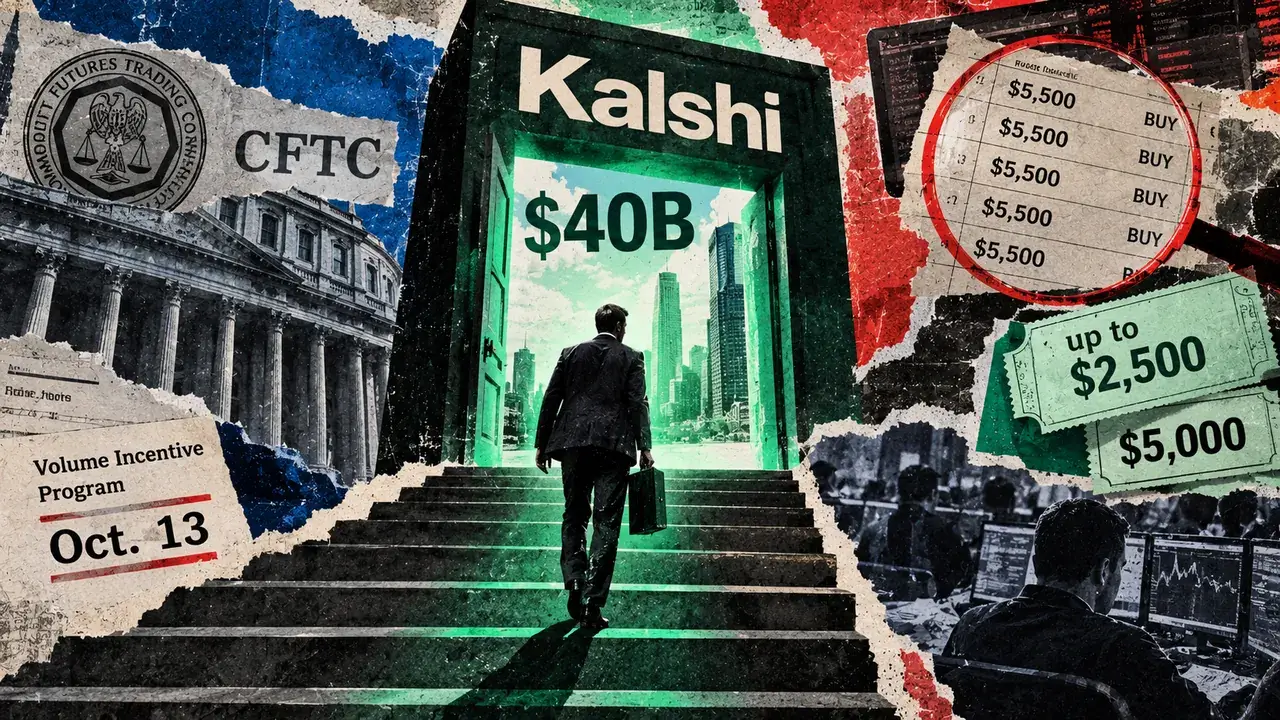
Kalshi’s $40 billion growth story hits tough questions about its trading volume
Kalshi is ending a trader-volume incentive program nearly a year early as scrutiny of activity in its crypto markets intensifies....

FCA Opens Five-Month Authorisation Window for UK Crypto Firms
The UK's financial regulator has given crypto companies five months to apply for FCA authorisation if they want their applications...

Sparkling Launches the Trading App That Comes With an Agent
Abu Dhabi, UAE, September 30th, 2026, Chainwire Trade crypto, perpetual futures, prediction markets and tokenized US stocks from o...

Robinhood Readies 10x Crypto Perps for US Traders and Unveils AI Trading Agents in Its App
Robinhood plans to let eligible U.S. customers trade crypto perpetual futures in its app with up to 10x leverage, part of a batch...

Ethereum Price Prediction: Could Aztec’s zk.money Drive ETH Higher as Zcash Fuels Privacy Narrative?
Ethereum is trading at $2,665, flat over 24 hours, leaving it below the $2,700–$2,735 resistance band as our recent price predicti...

Binance’s CZ discusses industry growth and lists HYPE token for spot trading
Binance's listing of HYPE token highlights the growing integration of decentralized exchanges, signaling a maturing crypto industr...