China’s Central Bank Pushes for Artificial Intelligence Integration in Digital Finance
Key Takeaways: Banks might rethink internal systems, leaning on homegrown AI instead of external models. The shift prompts a review of risk methods and compliance practices amid tech updates. Digital finance could see ev...
Archive context
Older archive item. Useful for background and entity history, but not a fresh market-moving signal.

Key Takeaways:
- Banks might rethink internal systems, leaning on homegrown AI instead of external models.
- The shift prompts a review of risk methods and compliance practices amid tech updates.
- Digital finance could see evolving work roles and new training demands as tech adoption grows.
During its annual Technology Work Conference on March 17, the People’s Bank of China (PBOC) outlined its 2025 financial technology agenda, prioritizing the integration of large-scale machine learning models into financial services.
The People’s Bank of China, or the central bank, held a meeting to reinforce its technological work in 2025, vowing to promote the applications of artificial intelligence large language models and related technologies in the financial sector to accelerate the process of financial… pic.twitter.com/WVsyG41Mel
— Global Times (@globaltimesnews) March 17, 2025The central bank stressed enhancing cybersecurity, strengthening regulatory governance, and tightening financial technology infrastructure.
It proposed increasing IT capabilities to support regulatory roles while introducing advanced automation in financial processes under controlled conditions.
China Advances Artificial Intelligence Integration in Digital FinancePBOC officials stated that artificial intelligence technology would improve security, streamline operations, and advance digital finance.
The bank also plans to bolster financial data protections and enhance collaboration on technology standards.
This comes after the November 2024 publication of the Action Plan for Promoting High-Quality Development of Digital Finance, which seeks to align the financial system with China’s broader objectives for the digital economy by 2027.
Following these developments, financial institutions—particularly with players like DeepSeek—have begun integrating artificial intelligence into their services.
Over 20 banks have implemented DeepSeek’s models for fraud detection, business process optimization, and customer service automation.
Financial institutions are applying artificial intelligence to enhance decision-making and improve risk management, reflecting the industry’s broader shift toward automation.
The Agricultural Bank of China, for instance, has introduced a phased rollout of intelligent systems through 2029.
Many institutions prefer developing proprietary models instead of relying on external providers, citing security concerns.
Artificial Intelligence’s Expanding Role in Financial ServicesBanks are deploying automation not just for customer service but also in critical areas like risk assessment, fraud detection, and decision-making.
These innovations promise improved efficiency and more precise financial planning.
Industry experts predict that the steady integration of artificial intelligence will gradually reshape traditional banking operations, streamlining procedures and refining strategic approaches.
Amid these shifts, regulators are reinforcing oversight to ensure that financial technologies meet stringent global standards and security requirements.
As the industry adjusts to these developments, readers are invited to reflect on how these changes might influence their own financial decisions and long-term strategies.
Frequently Asked Questions (FAQs):How might AI integration alter bank staff roles?Shifting to AI may prompt banks to reassign roles, where employees learn to manage tech outputs while human insight remains essential. This adjustment could lead to new training programs and workflow changes.
What operational challenges could banks face with AI adoption?Banks face hurdles like integrating advanced tech with outdated systems and adjusting work routines. Ensuring data quality and regulatory alignment might demand a gradual overhaul of operational practices.
Could enhanced AI change how customers interact with digital finance?Enhanced artificial intelligence may offer a more responsive customer interface and refined personalization, yet users might need to adjust to less human interaction. Overall, banks may see shifts in client engagement methods.
The post China’s Central Bank Pushes for Artificial Intelligence Integration in Digital Finance appeared first on Cryptonews.
Why this matters
This cryptocurrency story adds another data point to the current market tape and is useful when read alongside nearby source coverage.
Original source
Read on CryptonewsRelated market context

Kraken Parent Company Payward to Buy Saldo Bank in European Banking Push
Bitcoin Magazine Kraken Parent Company Payward to Buy Saldo Bank in European Banking Push Payward, the parent company of crypto ex...

Crypto Regulation: Firms Face AI Controls Before Dedicated Rules Arrive
In crypto regulation news, the rise of AI has led financial supervisors to shift from broad concern to concrete expectations for h...

Payward Signs Deal for Saldo Bank, Giving Kraken’s Owner a Foothold in EU Banking
Payward, the parent company of crypto exchange Kraken, has signed a definitive agreement to buy Saldo Bank, a digital lender licen...

Russia’s Central Bank Authorizes Sberbank to Exchange Cryptocurrencies
Bitcoin Magazine Russia’s Central Bank Authorizes Sberbank to Exchange Cryptocurrencies Russia’s central bank has added Sberbank t...
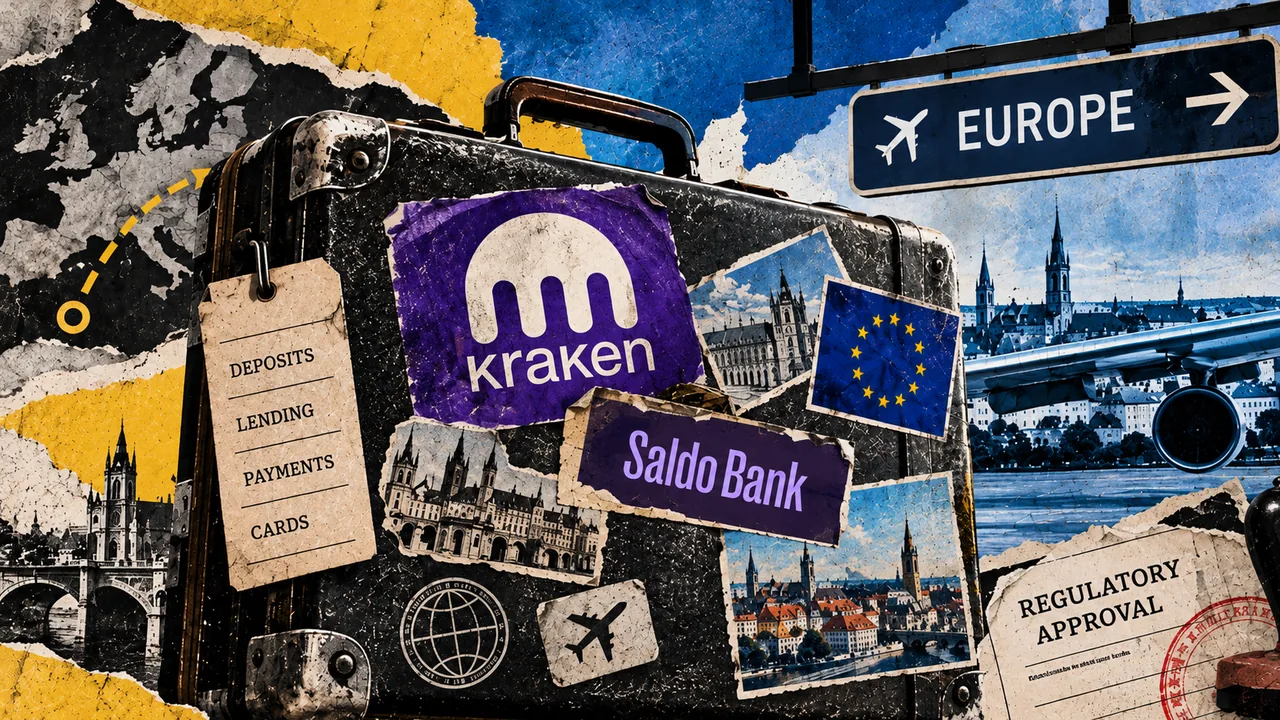
Kraken moves to acquire $181 million European bank in major push beyond crypto trading
Kraken's parent company, Payward, has agreed to acquire a European bank as it expands beyond cryptocurrency trading into tradition...
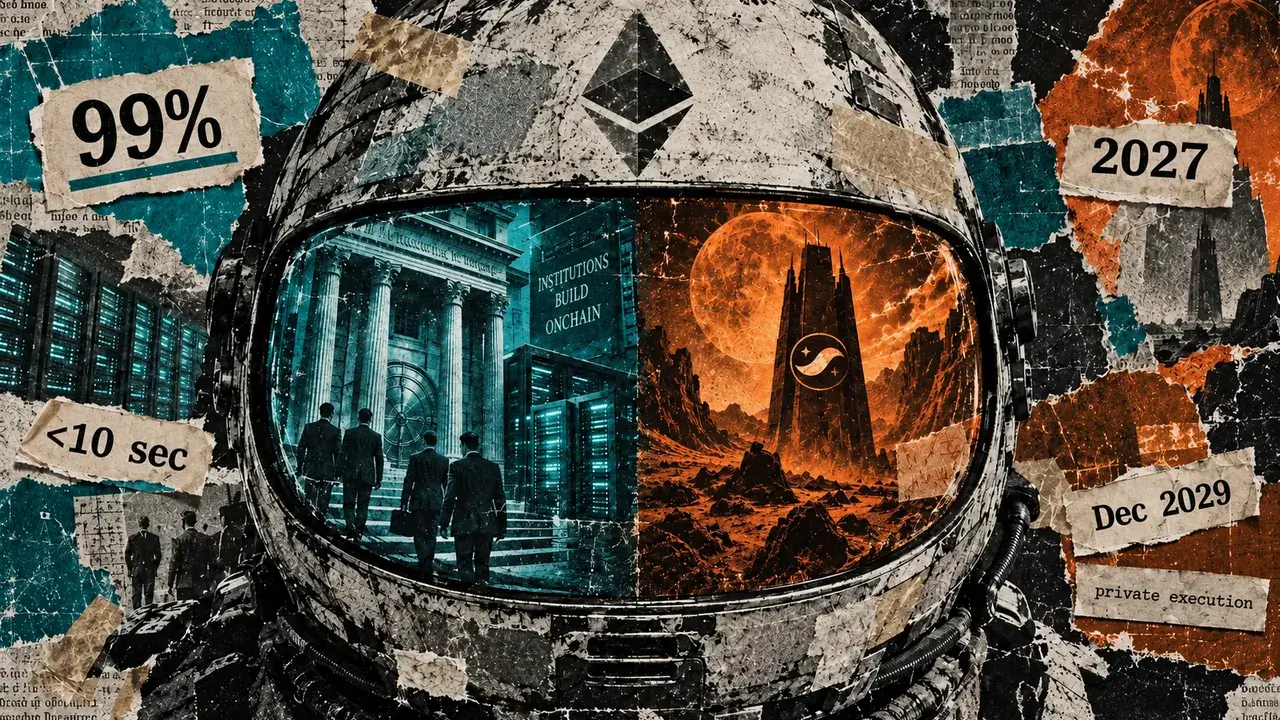
Ethereum’s quantum race takes a new turn as zkSync courts banks and Starknet weighs exit
ZkSync announced Airbender Prime, a prover that Matter Labs says handled 99% of 7,200 consecutive Ethereum mainnet blocks in under...