China’s interest-bearing digital yuan piles pressure on US stablecoin rules
China’s move to pay interest on the digital yuan is colliding with the GENIUS Act’s ban on stablecoin yields, intensifying questions over whether US digital dollars can remain competitive.
Archive context
Older archive item. Useful for background and entity history, but not a fresh market-moving signal.

China’s move to pay interest on the digital yuan is colliding with the GENIUS Act’s ban on stablecoin yields, intensifying questions over whether US digital dollars can remain competitive.
Why this matters
This maps to the Stablecoins hub, so it can help confirm whether that theme is gaining breadth across the crypto news cycle.
Original source
Read on CointelegraphRelated market context

Xash’s Kevin Huynh Pitches Stablecoin Issuers on Gold Rewards Instead of Passive Yield
Kevin Huynh, introduced on Unchained Premium as co-founder and CEO of Xash, said the startup wants stablecoin issuers to pay for t...
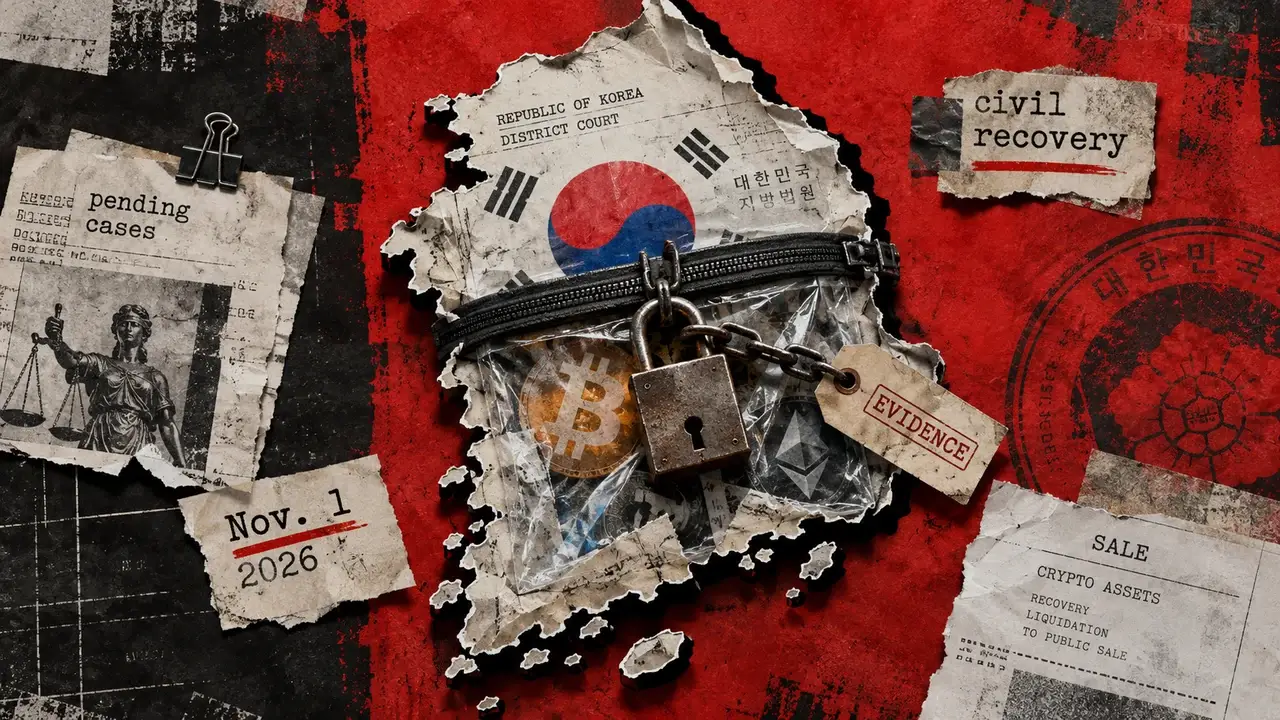
South Korea clears way for courts to seize and sell Bitcoin for unpaid debts under new November rules
South Korea has established procedures for courts to seize and sell debtors' cryptocurrency to satisfy civil claims. On Oct. 12, t...

State of TRON Q3 2026 Report Highlights $2.21 Trillion in Stablecoin Settlement Amid Network Activity Growth
Geneva, Switzerland, October 12, 2026 — TRON DAO, the community-governed DAO dedicated to accelerating the decentralization of the...

Ark Invest’s Lorenzo Valente: Bitcoin’s 5-Year Forecast – Stablecoin & Gold Impacts
Bitcoin Magazine Ark Invest’s Lorenzo Valente: Bitcoin’s 5-Year Forecast – Stablecoin & Gold Impacts Bitcoin has been flat to down...

Can Gold Rewards Solve the Stablecoin Distribution Problem? XASH Thinks So
If you already pay for this, I especially want your answer. We’re deciding what Unchained does next; new shows, stream times, and...

China Crypto Strategy Expands as Beijing Backs National Blockchain Network
China announced crypto plans for a national blockchain network. The proposal appeared in a policy document from the Communist Part...