Coinbase Wants to Convince SEC Staked Tokens Are Not Securities
The publicly traded and one of the biggest crypto exchanges in the ecosystem, Coinbase (NASDAQ:COIN), has prepared an 18-page document titled the 'Petition for Rulemaking' which objective is to convince US regulators, in...
Archive context
Older archive item. Useful for background and entity history, but not a fresh market-moving signal.

The publicly traded and one of the biggest crypto exchanges in the ecosystem, Coinbase (NASDAQ:COIN), has prepared an 18-page document titled the 'Petition for Rulemaking' which objective is to convince US regulators, including the Securities and Exchange Commission (SEC), that staking should not be put under the same regulatory framework as securities.
Coinbase Disagrees with SEC Statement on Staking
Cryptocurrency holders can receive rewards as an incentive by staking their cryptos with a blockchain validator. These rewards typically come in the form of newly mined cryptocurrencies. However, in exchange for these rewards, the holders lose control over their original holdings until they decide to unstake them.
Staking is a popular service among crypto exchange and digital assets providers. However, it has recently come under closer scrutiny by regulators, including the SEC. The US market watchdog claims that at least some of the staked tokens resemble securities and should therefore be covered by the same rules. In the institution's view, offering staking without obtaining the relevant authorizations and licenses breaches the US Securities Act.
Binance disagrees with this statement and has proactively communicated on the matter of cryptocurrency staking. The petition focuses on showing how securities regulations treat proof-of-stake services, and it explains that they are essentially not the same as securities.
Coinbase's publication highlights the nuanced nature of staking as an operation concept, emphasizing that it is not a monolith. While specific staking models may qualify as investment contract offerings, others do not. In particular, Coinbase asserts that core staking services fall outside the Howey test criteria that the SEC uses to determine whether an asset is a security.
"The risk of getting regulation wrong is that innovation moves offshore to jurisdictions that do get it right. The US is competing with the EU, UK, Hong Kong, Singapore, UAE, and a host of other countries that are racing to establish crypto hubs by proposing clear regulatory frameworks. Letting critical infrastructure migrate to other jurisdictions – the validators that are paid through staking services – because rules in the US are inappropriate is unnecessary," Coinbase commented in the petition.
SEC Looks at Binance's and Kraken's Hands
Coinbase's actions come a month after cryptocurrency exchange Kraken had shut down its staking-as-a-service in the US and paid $30 million to settle with the SEC. The SEC raised risk-related concerns on the platforms offering staking-as-a-service as they have "very little protection."
In addition, the cryptocurrency exchange has stated that it plans to provide staking services to non-US customers through a distinct subsidiary, despite the recent settlement. Notably, the settlement agreement between the SEC and Kraken was reached in a mere day after media reports surfaced regarding an ongoing regulatory inquiry into the exchange's alleged offering of unregistered securities.
Settlements are not law. They're a decision that the economics of settling are better than fighting, no more.The SEC thinks staking-as-a-service is a security. Kraken didn't admit or deny either way.It may be a tough question, but the SEC hasn't answered it either way today.
— Jake Chervinsky (@jchervinsky) February 9, 2023A few days later, crypto company Paxos halted the issuance of new BUSD stablecoins owned by Binance. This was after news that the company faced an SEC lawsuit for violating consumer protection rules.
1/ This morning, Paxos announced it will halt minting new #BUSD tokens effective February 21. Read the full press release from Paxos here: https://t.co/jXZY1ak8DR
— Paxos (@PaxosGlobal) February 13, 2023In addition, Binance, one of the world's largest crypto exchanges, has faced some compliance "gaps" in the past and expects to pay fines to settle with US regulators, which was admitted by Patrick Hillmann, the company's Chief Strategy Officer (CSO), in an interview and was published after BUSD turmoil.
This article was written by Damian Chmiel at www.financemagnates.com.Why this matters
This cryptocurrency story adds another data point to the current market tape and is useful when read alongside nearby source coverage.
Original source
Read on Finance MagnatesRelated market context
ESMA and National Regulators Scrutinize Binance’s Reliance on ‘Reverse Solicitation’ Exemption in the EU, FT Reports
The European Securities and Markets Authority (ESMA) and national regulators in France, Germany and Greece are questioning Binance...

Is "Reverse Solicitation" Under Scrutiny? EU Probes Binance’s Services after Wind-Down Order
EU officials are questioning crypto exchange Binance over its use of reverse solicitation, a legal exemption, to keep serving cust...

Binance’s EU services face scrutiny over licensing exemption: Report
EU regulators are reportedly examining Binance’s use of a MiCA exemption to serve customers as ESMA seeks stronger enforcement pow...

Coinbase International Exchange migrates to Deribit, downtime expected Oct 1
The migration to Deribit signifies a strategic consolidation, potentially enhancing market efficiency but requiring traders to ada...
Japan’s biggest payment network opens its doors for crypto via Binance Pay
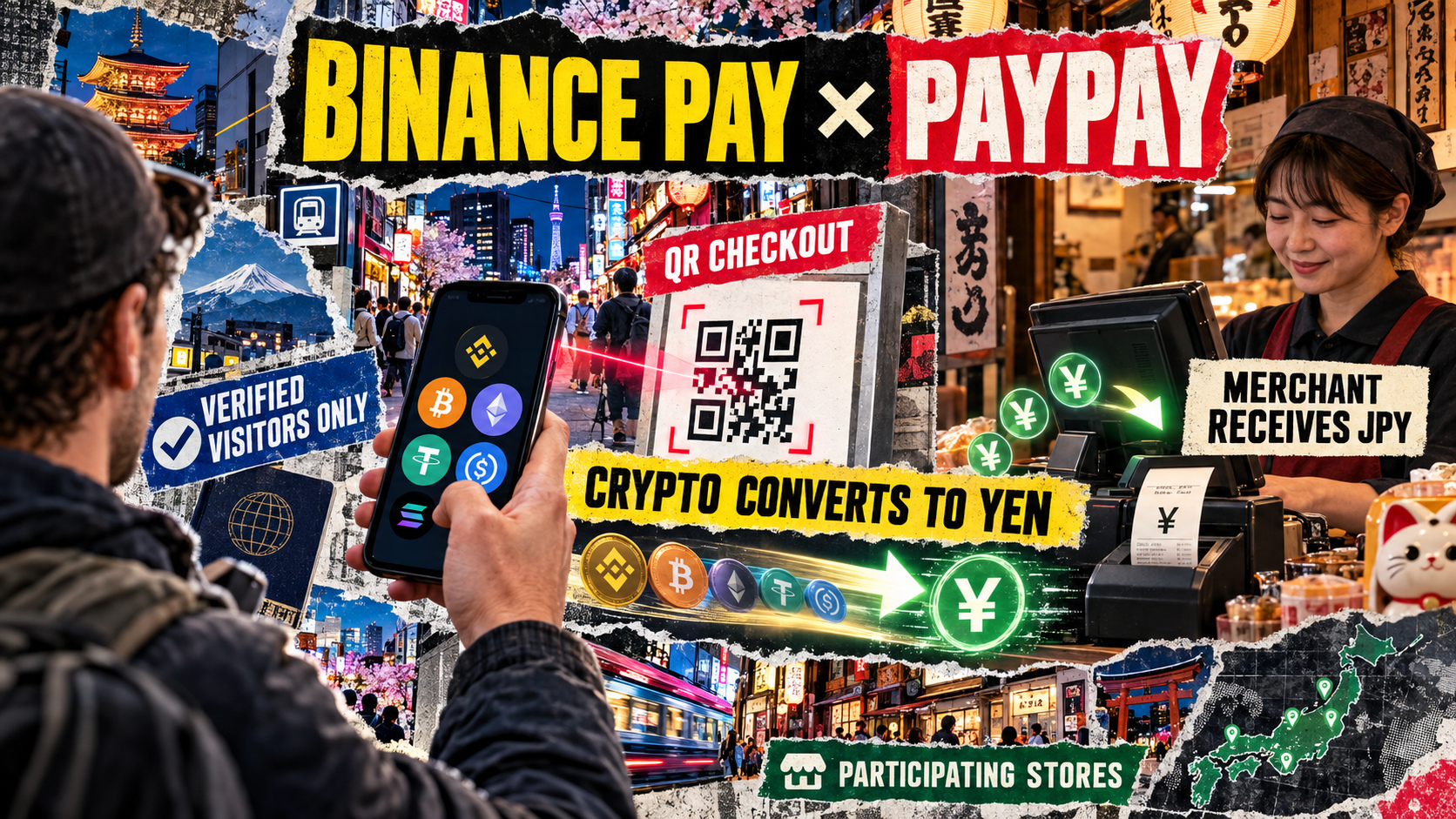
Japanese payment provider PayPay added Binance Pay on Sept. 30, letting eligible overseas visitors pay from their crypto balances...

Coinbase Faces Hack Cover-Up Allegations as Customers Claim Huge Losses
A public dispute over how Coinbase handles customers who say they lost funds on the exchange has grown over the past week on X, dr...