Cointelegraph Suffers Similar Cyberattack After CoinMarketCap – What’s Going On?
Users visiting the Cointelegraph website on Sunday were confronted with a deceptive pop-up claiming they had won token rewards. The pop-up message appeared to be part of a legitimate Cointelegraph promotion and told visi...
Archive context
Older archive item. Useful for background and entity history, but not a fresh market-moving signal.

Users visiting the Cointelegraph website on Sunday were confronted with a deceptive pop-up claiming they had won token rewards.
The pop-up message appeared to be part of a legitimate Cointelegraph promotion and told visitors they had been randomly selected to receive 50,000 “CTG” tokens, valued at over $5,000.
The offer seemed polished and convincing, featuring the company’s branding and interface elements that mimicked real airdrop campaigns.
It included a countdown timer and prompts to connect crypto wallets, standard elements in genuine token distribution efforts. However, the entire experience was fabricated by attackers.
A similar front-end attack appeared on CoinMarketCap over the weekend.
Security Firm Flags CoinTelegraph Frontend Hack Originating From Ad SystemScam Sniffer, a blockchain security firm, flagged the breach and posted a public alert, warning that Cointelegraph’s frontend had been compromised.
“Please be cautious,” the firm tweeted, alongside screenshots of the injected code and the fake airdrop interface. The scam was likely designed to trick users into granting wallet permissions, ultimately allowing hackers to drain all funds.
Cointelegraph later confirmed the breach and issued a warning. The company urged users not to interact with the fraudulent pop-up and emphasized that it has never issued a “CTG” token or launched an initial coin offering. It also assured readers that a fix was underway.
ALERT: We are aware of a fraudulent pop-up falsely claiming to offer “CoinTelegraph ICO Airdrops” or “CTG tokens” that are appearing on our site.
DO NOT:
– Click on these pop-ups
– Connect your wallets
– Enter any personal information
We are actively working on a fix.
According to Scam Sniffer, the malicious JavaScript code came from the site’s advertising system rather than its core infrastructure.
Hackers Shift From Emails to Embedded Ads as Scam Tactics EvolveThe file, served via Cointelegraph’s ad partner, contained wallet-draining scripts disguised as standard ad delivery code. This technique has become more common in recent months as attackers seek to exploit vulnerabilities in trusted platforms’ third-party systems.
CoinTelegraph's frontend has been compromised. Please be cautious. pic.twitter.com/sH025Zek8p
— Scam Sniffer | Web3 Anti-Scam (@realScamSniffer) June 23, 2025The scam interface showed a fake reward worth $5,490 and labeled the transaction process as “secure,” “instant,” and “verified.” Once users clicked to connect their wallet, the script triggered a function that could initiate approvals and transfers without the user’s informed consent.
These types of attacks are particularly dangerous because they appear on well-known, trusted websites. Many users assume such platforms have adequate security measures and may let their guard down. This makes ad-based exploits far more effective than phishing links sent through email or social media.
Fake CTG Token Never Existed on Major Exchanges or BlockchainsThe CTG token mentioned in the scam does not exist on CoinMarketCap, CoinGecko, or any legitimate exchange. Neither is there a record of it on Ethereum or other major blockchains. These red flags may be obvious to veteran users, but newer entrants to the space are often unaware of what to look for in a legitimate token offering.
Similar breaches have been reported across the crypto space. CoinMarketCap too experienced a comparable incident this month, where attackers embedded a wallet-draining link into a front-facing promo box on the site. In that case too, the compromise stemmed from third-party code, not the core platform.
As more crypto companies depend on external ad services, their surfaces for attack increase dramatically. Even if a platform is secure at the application level, malicious scripts delivered through external partners can easily bypass protections. The growing trend has prompted calls for stricter auditing of third-party integrations and more robust sandboxing of external content.
The post Cointelegraph Suffers Similar Cyberattack After CoinMarketCap – What’s Going On? appeared first on Cryptonews.
Why this matters
This cryptocurrency story adds another data point to the current market tape and is useful when read alongside nearby source coverage.
Original source
Read on CryptonewsRelated market context

Tokenized stocks can carry the same rights without the same trading protections
Tokenized stocks eligible for the SEC’s September exemption must carry equivalent shareholder rights, yet their trading venues can...

What happens when crypto trades stocks while Wall Street sleeps?
Wall Street closes at 4 p.m., but apparently that's becoming more of a suggestion than a rule. You can now spend the evening watch...
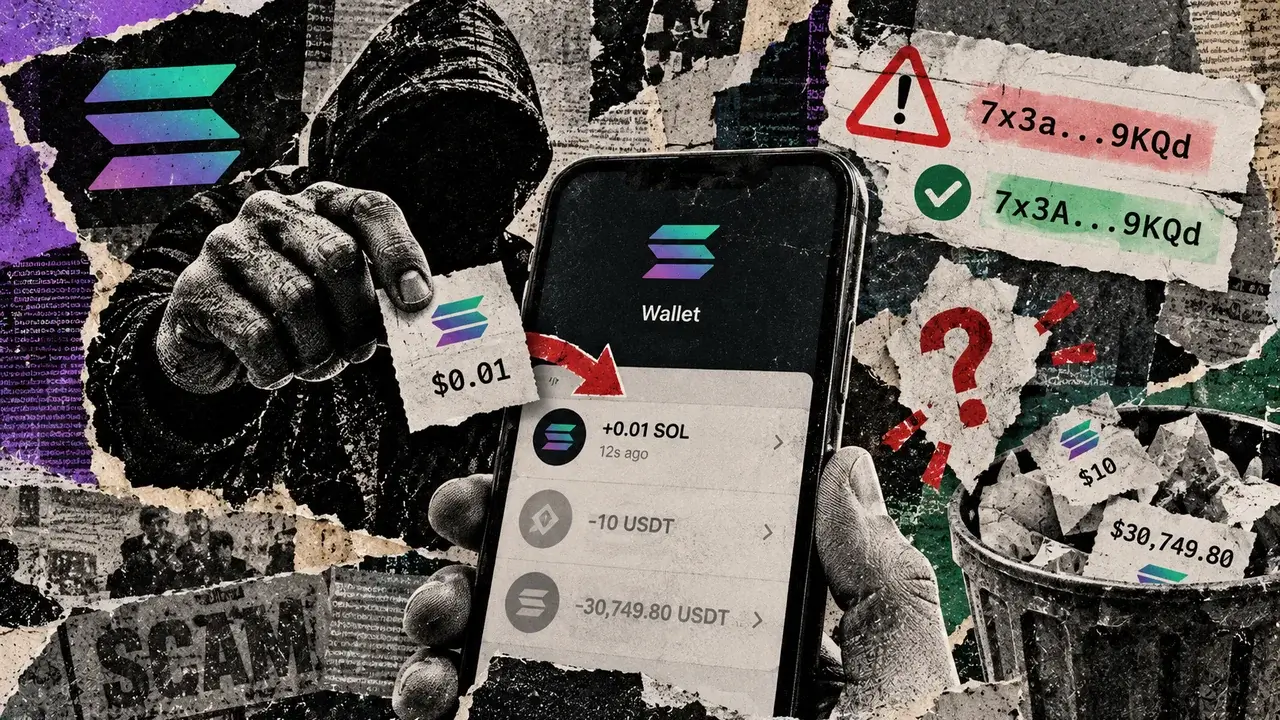
A Solana wallet tested a fake address with $10, then sent it $30,750
Lookalike payment addresses targeted nearly 4.5 million Solana wallets over 11 months, according to blockchain-data firm Bitquery’...

Most Tokenized Stock Trading Happens Outside U.S. Market Hours, IMF Finds
More than half of all trading in tokenized U.S. stocks happens while Wall Street is closed, according to new data from the Interna...

From TOKEN2049 to Ecosystem Co-Building: HTX Advances Its Multifaceted Engagement Across the Global Crypto Industry
Singapore, October 12, 2026 – From October 6 to 8, the global crypto industry turned its attention to Singapore for TOKEN2049, a m...

China’s top leadership calls for a national blockchain network, minus the tokens
China's blockchain push, sans tokens, may bolster state control over digital infrastructure, impacting global blockchain innovatio...