Crypto Boom: Legacy Financial Corporations To Become Crypto Companies
A recent prediction suggests that the world is about to experience a crypto boom. Morgan Creek Capital’s founder, Mark Yusko, believes that traditional finance corporations will eventually become digital asset businesses...
Archive context
Older archive item. Useful for background and entity history, but not a fresh market-moving signal.
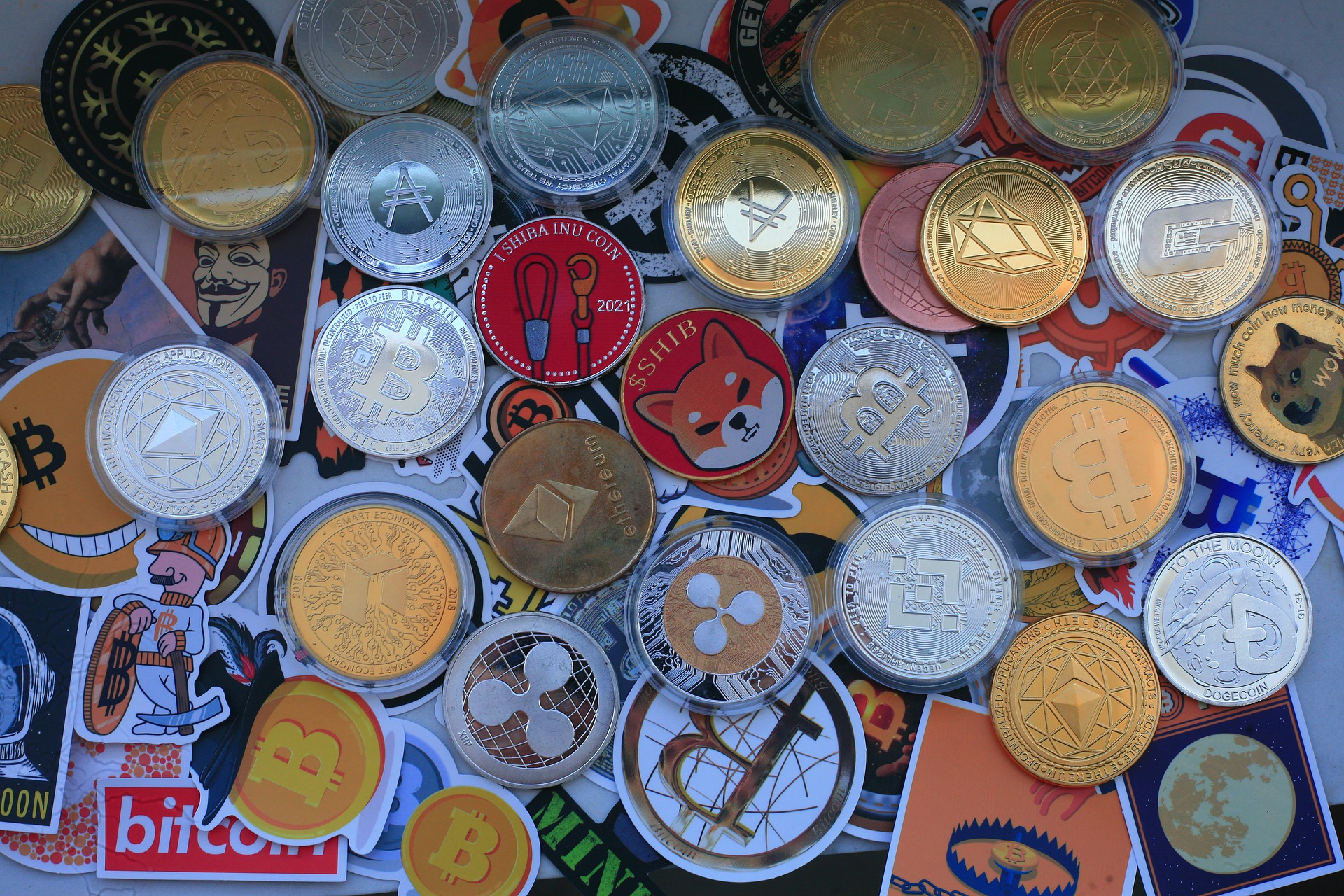
A recent prediction suggests that the world is about to experience a crypto boom. Morgan Creek Capital’s founder, Mark Yusko, believes that traditional finance corporations will eventually become digital asset businesses.
Brian Rose on London Real interviewDuring an interview with Brian Rose on London Real, Yusko stated that digital assets will soon dominate the financial sector, similar to the rise of the Internet.
He believes that the blockchain technology and crypto are only in their early stages and that there will be more developments and mass adoption in the digital asset space.
According to Yusko, traditional finance organizations may spread untrue negative information about cryptocurrencies simply because it poses a threat to their existing business models.
However, if they had the opportunity to dominate the crypto industry, they would likely do so.
“Basically what [TradFi is] saying is [crypto] is destabilizing for the incumbents. But if the incumbents run crypto, then we are good. Okay, but that’s the way it always happens. Think about the 2000 [interent] boom. Webvan total failure.”
During his talk, he explained how Pets.com failed due to opposition from traditional pet food companies who didn’t want customers ordering online.
Despite this setback, Chewy.com, which is essentially the same company, is now worth $20 billion.
Yusko believes that other industries will follow suit, with digital assets eventually being used for almost all global transactions, which are currently valued at $700 trillion.
However, he also anticipates resistance from traditional financial systems when it comes to widespread adoption of crypto.
The speaker maintains that despite the challenges, digital assets will continue to be widely used for transactions. In the future, every type of asset, from stocks and bonds to real estate and fine art, will likely become tokens recorded on a blockchain ledger. This is a more efficient system than using databases that rely on COBOL, a dated business programming language.
For instance, when you use your Visa card, you are essentially relying on a COBOL-based database. However, this system has its downsides, as it requires specialized knowledge to maintain and repair. In contrast, blockchain-based systems are more secure and accessible.
Why this matters
This cryptocurrency story adds another data point to the current market tape and is useful when read alongside nearby source coverage.
Original source
Read on CryptoGazetteRelated market context

Senate Republicans introduce crypto tax bill targeting digital assets
The bill's focus on crypto taxation may signal a shift towards detailed regulatory frameworks, influencing market sentiment and fu...

Kraken Completes Acquisition Of TradeStation Crypto Infrastructure Assets
In a major development confirmed on SEPTEMBER 30, 2026, Confirmed announcement/filing for Kraken Completes Acquisition Of TradeSta...
Brazilian Depository With $4.2 Trillion in Assets Taps XRP Ledger to Mirror Fund Shares
CSD BR, a Brazilian central securities depository with more than 22 trillion reais (about $4.2 trillion) in registered assets, wil...

XRP News: Brazil $4T Financial Infrastructure Expands Onto XRPL
CSD BR, a Brazilian financial-market infrastructure operator overseeing more than 22 trillion reais in registered assets, has been...
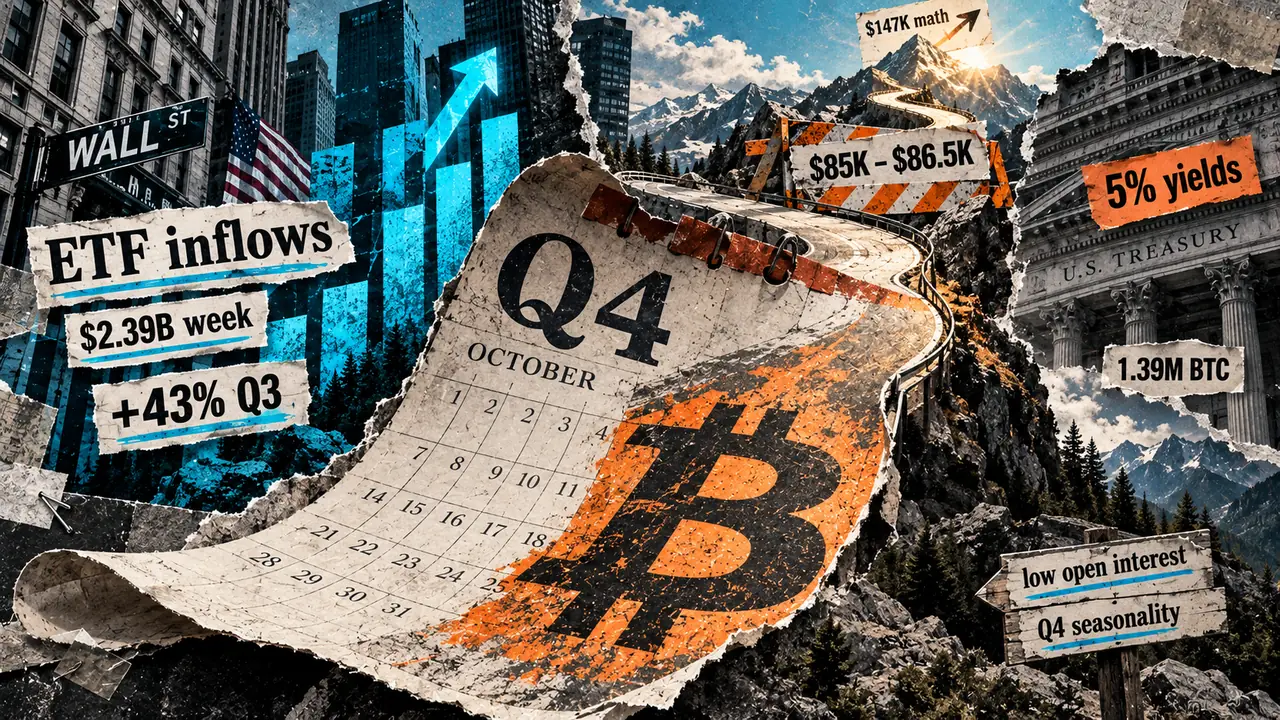
Bitcoin enters its best season after a 43% surge, with $147,000 suddenly on the math
Bitcoin is closing its strongest quarter since 2024 after leaving US stocks and gold far behind despite surging bond yields. The l...

CFTC secures $31M court order against digital asset fraud scheme that duped 14,000 investors
The case underscores the critical need for regulatory vigilance and investor due diligence in preventing and mitigating digital as...