Crypto Firms Flee Ukraine—Weld Money Becomes Latest To Exit
Ukraine’s crypto card market is shrinking fast. Weld Money, a fintech that let people spend crypto through a Mastercard-linked card, is closing its doors in the country. Users have been told to pull out their money by th...
Archive context
Older archive item. Useful for background and entity history, but not a fresh market-moving signal.

Ukraine’s crypto card market is shrinking fast. Weld Money, a fintech that let people spend crypto through a Mastercard-linked card, is closing its doors in the country. Users have been told to pull out their money by the end of next month or risk losing access.
According to company posts on social media, military controls under martial law and unclear rules drove the decision. The startup began five years ago offering a super-app for bank accounts. In 2022, it teamed up with Unex Bank to roll out a card tied to wallets on WhiteBIT and Huobi (now HTX). You could pay with USDT, USDC, BUSD or DAI at any shop that takes Mastercard.
Crypto Card Firm Faces Harsh ControlsBased on reports, Weld Money saw service disruptions as checkpoints and tightened checks slowed transactions. Some users flagged problems back in March on the firm’s Telegram channel. Every delay chipped away at the smooth withdrawals and payments that cardholders expected.
$WELD Money are shutting down due to military & regulatory limits in Ukraine. Please withdraw funds by June 30 from all wallets & cards. Support — via Telegram: @alexeybobok#WELD #WeldMoney #crypto #shutdown #Ukraine pic.twitter.com/vhHTkS4a0Y
— WeldMoney (@MoneyWeld) May 27, 2025
Regulations Hold Back Fintech GrowthIn April, Ukraine’s securities regulator floated a plan to tax crypto income at 18% and hike a defense surcharge from 1.5% to 5%. Lawmakers have stalled a key bill “On Virtual Assets” that was supposed to clear the fog. Until rules firm up, any company needing stable banking ties will hesitate to launch new services.
Other Players Also Pack UpWeld Money isn’t alone. In January, Kuna – a local exchange – said it would halt trading. By March, the Economic Security Bureau, citing tax evasion claims, had even taken down its site. On May 20, wallet provider Trustee Plus stopped new sign-ups, pointing to the same legal doubts.
Home-Grown Innovation Faces ExitBased on statements from fintech leaders, rising costs linked to the war aren’t the only issue. New limits on cash flows make budgeting tough. When major payment rails act up, small startups can’t cover tech teams and compliance checks at the same time.
Outlook Depends On LawmakersAccording to analysts following Kyiv, passing the OVA bill could turn the tide. Clear rules on profit taxes and military levies might bring back some confidence. But even then, big global firms with deep compliance staffs are more likely to stay.
Ukraine wants to be a hub for blockchain work. Yet, until peace and paperwork catch up, local players may find it too risky. For now, customers will be left scrambling to move funds. And the empty desks at small crypto firms will stand as proof that, in a country under martial law, uncertainty is costly.
Featured image from Gemini, chart from TradingView
Why this matters
This cryptocurrency story adds another data point to the current market tape and is useful when read alongside nearby source coverage.
Original source
Read on NewsBTCRelated market context

Strategy CEO Phong Le reaffirms commitment to Bitcoin accumulation
Strategy Inc.'s Bitcoin focus could amplify market volatility impacts on its stock, influencing investor sentiment and financial s...

CFTC Crypto Asset Rules Enter White House Review
TL;DR A new CFTC crypto rulemaking has entered White House regulatory review. The filing covers “Crypto Asset Transactions” and “C...

CLARITY Act Stalls, But SEC Gives Crypto a Boost With New Tokenized Securities Rules
The Securities and Exchange Commission announced its five-year “Innovation Exemption” on September 17, allowing qualifying Tokeniz...
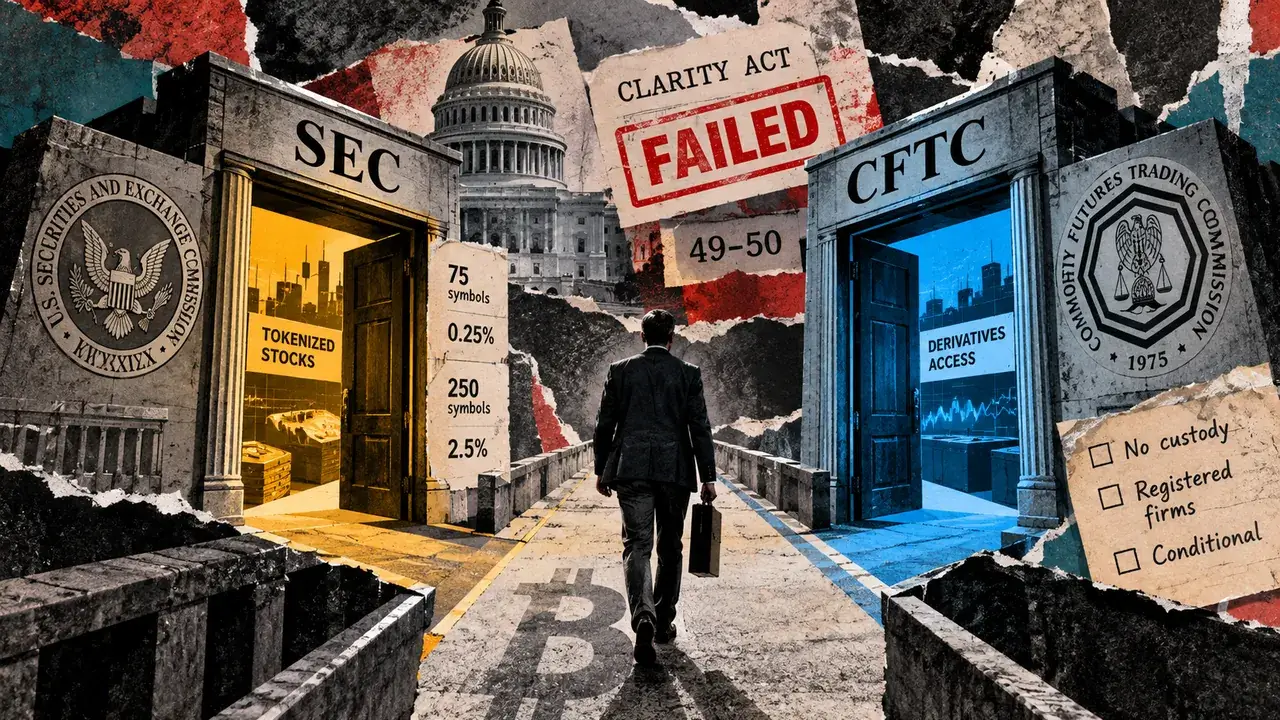
SEC and CFTC bypass Congress to open crypto access after CLARITY fails – with a catch
Two days after the US Senate failed to advance the CLARITY Act, federal regulators opened two narrower routes for crypto-linked ma...

Binance brushes off Lagarde MiCA speculation, reaffirms Europe commitment
Binance declined to address reports of ECB intervention in its Greek MiCA bid, saying it remains committed to securing authorizati...

FCA Crypto Authorisation Gateway Opens September 30
TL;DR The FCA’s application window for Britain’s new crypto regime opens September 30. Applications in the main window can be subm...