Crypto Kiosks Used in Scams Targeting Older Adults, FinCEN Says
The U.S. Treasury’s Financial Crimes Enforcement Network (FinCEN) has issued a notice urging financial institutions to monitor suspicious transactions involving convertible virtual currency (CVC) kiosks. This follows a r...
Archive context
Older archive item. Useful for background and entity history, but not a fresh market-moving signal.

The U.S. Treasury’s Financial Crimes Enforcement Network (FinCEN) has issued a notice urging financial institutions to monitor suspicious transactions involving convertible virtual currency (CVC) kiosks. This follows a rise in scams and other illicit activity tied to these machines.
Crypto Kiosks Draw Criminal Use
In the notice, released Monday, FinCEN said that while CVC kiosks offer a legitimate way for consumers to access cryptocurrencies, they are also being used to facilitate fraud, cybercrime, and money laundering tied to drug trafficking organizations.
The agency noted that risks increase when kiosk operators fail to meet their legal obligations under the Bank Secrecy Act (BSA).
“Criminals are relentless in their efforts to steal money from victims, and they’ve learned to exploit innovative technologies like CVC kiosks,” said FinCEN Director Andrea Gacki.
“The United States is committed to safeguarding the digital asset ecosystem for legitimate businesses and consumers, and financial institutions are a critical partner in that effort. This Notice supports Treasury’s continuing mission to counter fraud and other illicit activities.”
Gacki added that financial institutions remain “a critical partner” in efforts to combat fraud and other illicit financial activity.
Scams Increasingly Target Older Adults
FinCEN said some of the most common criminal uses of CVC kiosks involve tech support scams, customer service scams, and bank impersonation schemes.
Many of these scams disproportionately affect older adults, who are often persuaded to withdraw cash and deposit it into a crypto kiosk as part of fraudulent schemes. The activity cited in the notice aligns with FinCEN’s national anti-money laundering and counter-terrorism financing priorities.
Related: New Zealand to Ban Crypto ATMs to Curb Money Laundering
The notice includes examples of red flag indicators to help institutions identify suspicious use of crypto kiosks. These include high-frequency transactions across different locations, customer behavior inconsistent with prior patterns, and transactions involving third parties who accompany users to the kiosk.
Red Flags and Compliance Reminder
FinCEN reminded financial institutions of their obligations under the BSA, including timely and accurate suspicious activity reporting when crypto kiosk use may involve criminal behavior.
The move is part of the Treasury’s broader effort to ensure regulatory oversight keeps pace with emerging financial technologies. FinCEN said it will continue to support compliance efforts and provide guidance to institutions navigating risks tied to digital asset services.
This article was written by Jared Kirui at www.financemagnates.com.Why this matters
This cryptocurrency story adds another data point to the current market tape and is useful when read alongside nearby source coverage.
Original source
Read on Finance MagnatesRelated market context
UK Sets Crypto Licensing Rules as Treasury Plans to Exempt Some Stablecoin Payments
The UK’s Financial Conduct Authority published final guidance on Wednesday setting out which crypto activities will need its autho...

Group Claiming Revolut Breach Demands 6,000 Monero, Says It Hunted Big Crypto Holders
A group claiming responsibility for the Revolut customer data breach has asked for 6,000 XMR, worth about $3 million, within 24 ho...
Ondo Joins DTCC Network Handling Over 85% of US Mutual Fund Activity, a Tokenization First
Oasis Pro Markets, the broker-dealer owned by Ondo Finance, has become a member of DTCC’s Fund/SERV network, the two companies ann...
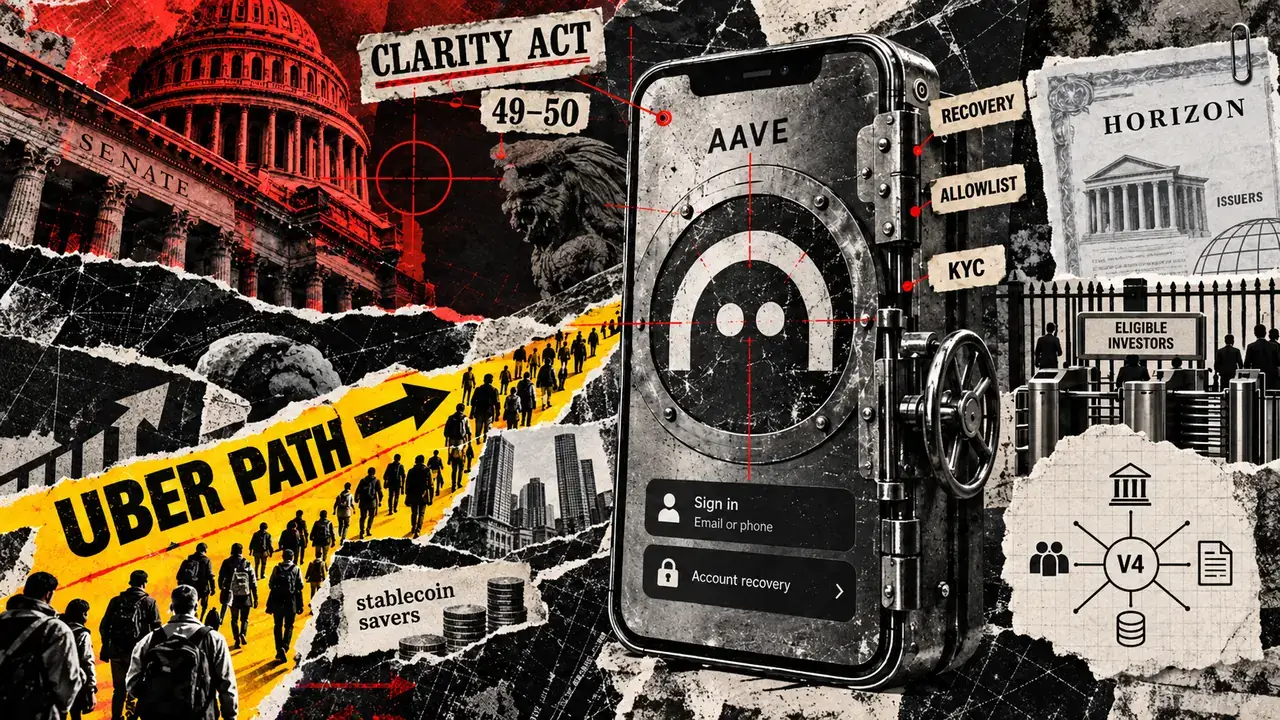
Stani’s Aave “Uber plan” could turn everyday crypto savers into Washington’s worst political nightmare
The Senate gave DeFi a policy setback on Sept. 15. Then Aave founder Stani Kulechov used it to frame a new product challenge. Aave...
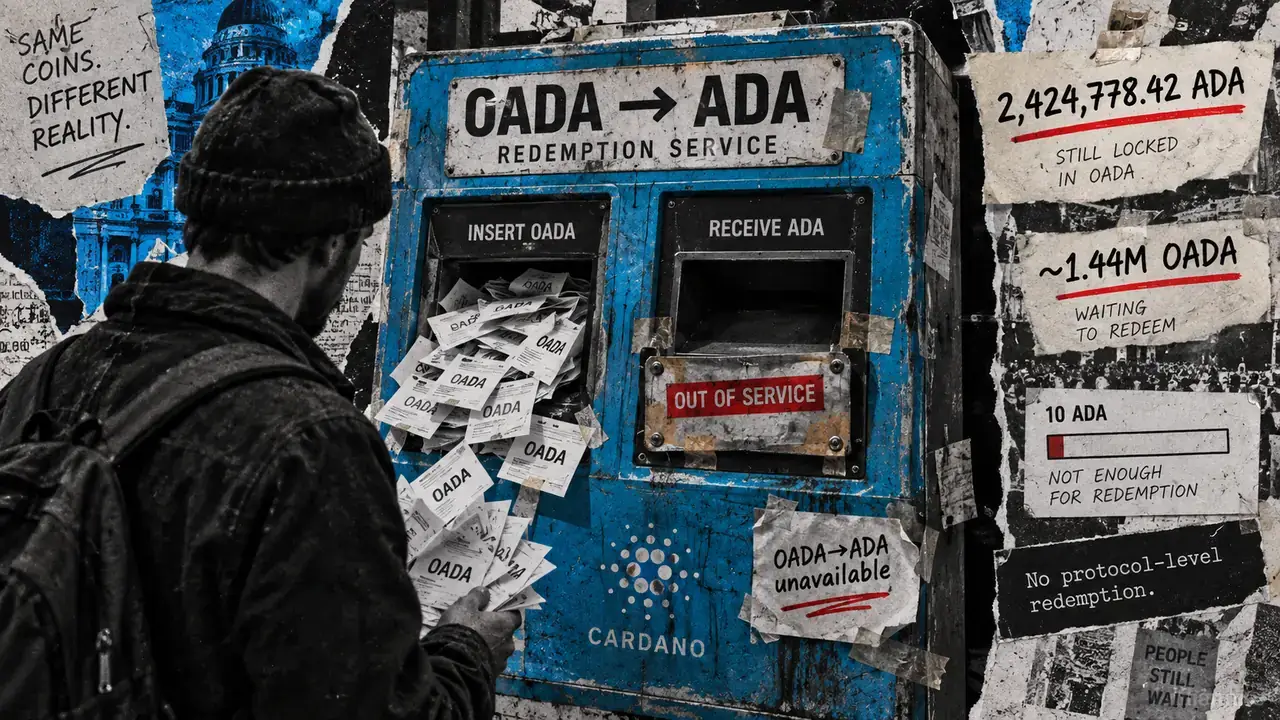
Cardano’s Splash fix patches the exploit, but leaves 2.4M ADA missing and holders trapped
Three days after Splash’s Cardano-based ADA/OADA StableSwap pool was drained, OADA holders still faced a problem that corrected co...

Zama Opens Confidential Access to DeFi’s Existing Yield Venues
Paris, France, September 17th, 2026, Chainwire Following June’s launch with Morpho and Steakhouse, Zama extends confidential acces...