Crypto Market Bill Draft Criticized For Allowing Continued Developer Prosecution
The recently released draft of the CLARITY Act, a significant piece of legislation aimed at regulating the crypto market, has ignited a wave of criticism from supporters within the community. Initially, the bill was mean...
Archive context
Older archive item. Useful for background and entity history, but not a fresh market-moving signal.

The recently released draft of the CLARITY Act, a significant piece of legislation aimed at regulating the crypto market, has ignited a wave of criticism from supporters within the community.
Initially, the bill was meant to include protections for developers. However, expert commentary suggests that it opens the door to continued prosecution of developers and enhances surveillance measures for users of non-custodial software.
Crypto Market Structure Bill Draft Lacks Essential ProtectionsMarket expert Ryan Adams highlighted another key issue in the crypto bill, stating that if banks succeed in eliminating stablecoin yield provisions within the CLARITY Act, it would indicate that the Senate is prioritizing bank interests over those of the general public.
Adams’s concerns were echoed by various users, who opined that the strategy appears orchestrated to allow banks to benefit by controlling how yields are managed and distributed.
An independent report by The Rage reinforces these worries, detailing how the proposed draft includes so-called developer protections that may fall short. Notably absent are safeguards against the rigorous implications of the Bank Secrecy Act (BSA) for self-custodial wallets.
Additionally, the draft hints at possible applications to decentralized finance (DeFi) that could empower agencies to implement Travel Rule-like regulations, along with anti-money laundering (AML) measures targeting web-based interfaces and blockchain analysis firms.
Per the report, the Senate has already received 137 amendments to the draft ahead of its markup, scheduled for January 15. A revised version of the Blockchain Regulatory Certainty Act (BRCA) is also included, which has been seen as vital for protecting developers.
BRCA LoopholesWhile the BRCA offers exemptions under AML and counter-terrorist financing regulations, it continues to leave developers vulnerable to accountability for the actions of users utilizing their software.
The BRCA states that “non-controlling” developers—defined as those without unilateral control over digital asset transactions—will not be categorized as money transmitters under the relevant laws. However, this only alleviates certain charges and doesn’t prevent criminal liability for those whose software is misused.
Pro-crypto Senator Cynthia Lummis remarked on this aspect of the BRCA, indicating that it retains all necessary AML protections, which implies that despite any positives, accountability remains a looming threat for developers.
Simultaneously, the “Keep Your Coins Act” within the draft includes provisions claiming that federal agencies cannot prohibit self-custody of digital assets. However, further stipulations assert that this right does not prevent the application of laws concerning illicit finance, leaving loopholes for government intervention.
The Securities and Exchange Commission’s (SEC) past attempts to impose a broker rule that would classify decentralized finance services as intermediaries requiring reporting obligations have been echoed in the current draft.
This time, the Senate Banking Committee appears to be leaning towards a similar regulatory approach, aiming to provide guidance on BSA and AML compliance for “non-decentralized finance protocols,” thereby raising concerns about the implications for crypto developers who maintain and update protocols.
Privacy Concerns MountUnder the new sections, the Senate Banking Committee introduces a concept termed “Distributed Ledger Application Layers,” which the report claims invites scrutiny and creates compliance obligations for software applications that allow users to interact with decentralized finance protocols.
The provisions also compel the Treasury to develop additional oversight mechanisms to mitigate exposure to illicit financing risks identified through distributed ledger analysis tools, effectively ensuring that crypto transactions remain under close scrutiny.
As it currently stands, the lack of robust protections for developers and users involved in privacy-enhancing technologies in this current draft suggests that the Senate’s proposal for market structure will do little to safeguard non-custodial developers.
Instead, it further entrenches their vulnerability to government oversight and user surveillance. Ultimately, these developments present a significant challenge for privacy software users and developers.
Featured image from DALL-E, chart from TradingView.com
Why this matters
SEC is showing up inside the Regulation theme, so this story is worth tracking for follow-through rather than treating it as a one-off headline.
Original source
Read on NewsBTCRelated market context
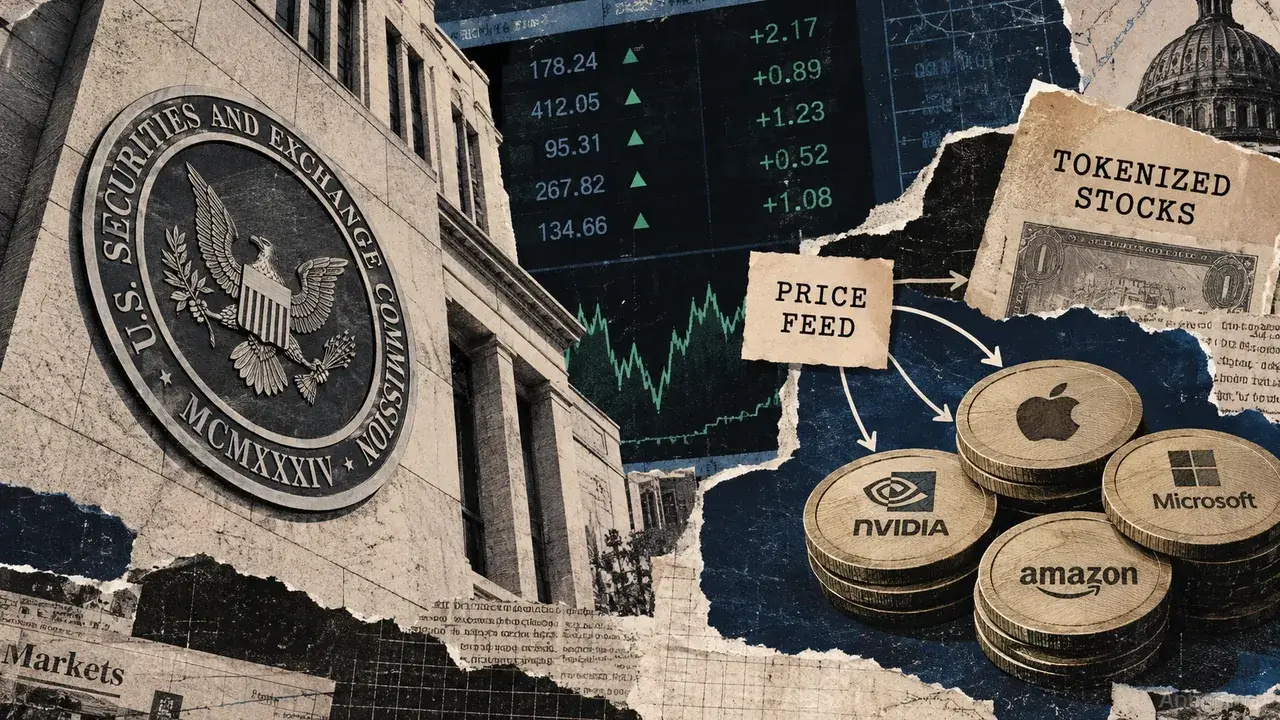
Tokenized stocks can carry the same rights without the same trading protections
Tokenized stocks eligible for the SEC’s September exemption must carry equivalent shareholder rights, yet their trading venues can...

Samsung Wallet Brings USDC to 82M Galaxy Devices With Coinbase, Solana and Sui Support
Key Takeaways: Samsung Wallet will support 82 million U.S. Galaxy to add transfers on USDC. Coinbase will keep USDC in their Coinb...
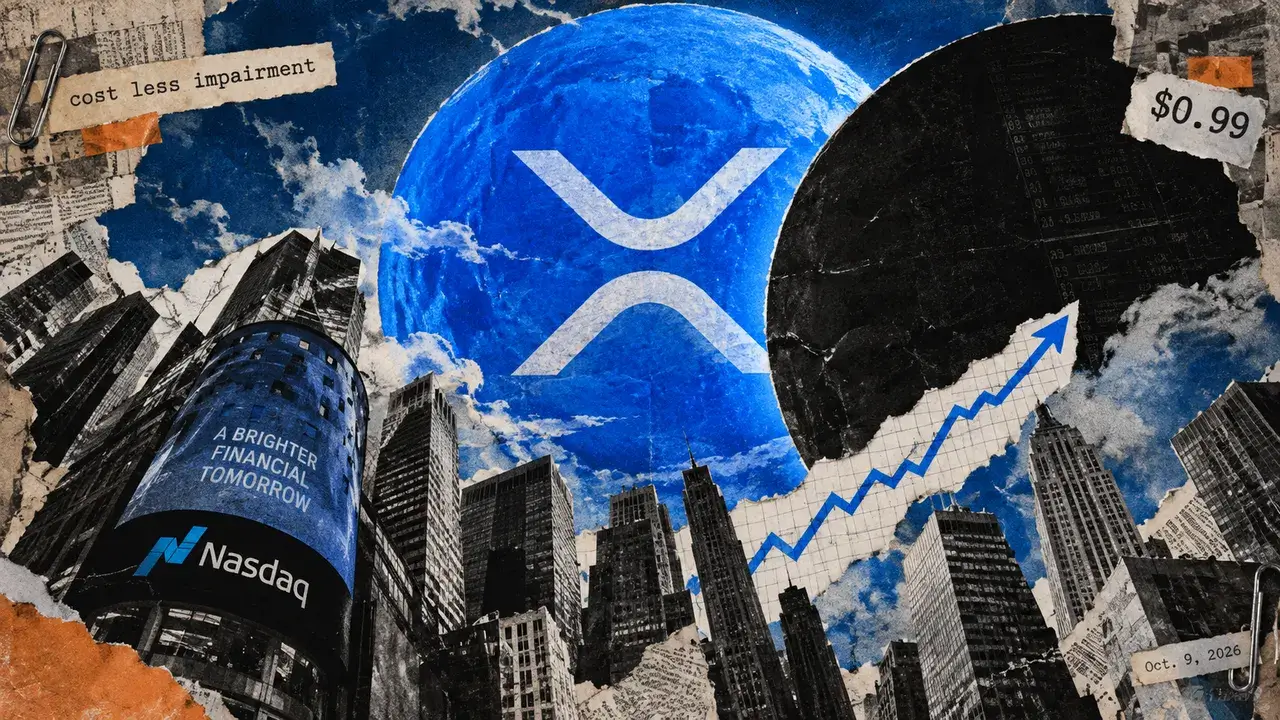
XRP’s next Wall Street expansion comes with an unexpected complication from Ripple
Evernorth is preparing to begin trading on Nasdaq on Monday, bringing approximately 473 million XRP into a publicly traded treasur...

Evernorth XRP Treasury Merger Brings 473 Million XRP to Nasdaq as XRPN Debuts October 12
The transaction gives public-market investors another route to gain exposure to XRP through a company that actively manages its di...

OKX founder Star Xu sees crypto and traditional finance convergence
The convergence of crypto and traditional finance could drive institutional demand, impacting market dynamics and Ethereum's futur...

AI Could Weaken Ethereum Security as Cryptographic Risks Grow, Vitalik Buterin Warns
Buterin urged developers to prepare for potential AI vulnerabilities in both conventional and quantum-resistant cryptography, whil...