Crypto Quantum Scare Is Real Says Top Trading Firm, But Here’s Where The Real Risk Is
QCP Group released an article today weighining in the quantum risk for crypto, following the Google whitepaper from March 30 showing Bitcoin‑style elliptic‑curve cryptography can be broken with far fewer quantum resource...
Archive context
Older archive item. Useful for background and entity history, but not a fresh market-moving signal.

QCP Group released an article today weighining in the quantum risk for crypto, following the Google whitepaper from March 30 showing Bitcoin‑style elliptic‑curve cryptography can be broken with far fewer quantum resources than previously assumed.
A Bigger Threat Beyond CryptoThe crypto-quantum panic continues raging on, with multiple important voices from crypto and technology, such as former Binance CEO Changpeng Zhao (CZ), responding to the report in different ways.
QCP’s article, written by Rachel Lee, establishes the firm’s opinion in a simple sentence: the quantum threat is more of a persistent structural challenge than a short‑term market threat.
At QCP, we view this as a long-term structural issue, not an immediate market risk. The distinction matters.
What Lee means is the target of the threat is not crypto in isolation: it’s the entire public‑key infrastructure stack that also secures banking rails such as SWIFT, TLS/HTTPS, VPNs and wider financial plumbing.
A breakthrough in quantum computing that compromises ECC would therefore have system-wide implications, not just for digital assets.
This quantum-vulnerability happens because what quantum computers could actually break are public‑key signatures (ECDSA, Ed25519, RSA), not the proof‑of‑work consensus mechanism that make blockchain technology to be considered highly secure.
“A Transition, Not a Trigger”, QCP SaysLee reminds us that “we remain a considerable distance” from the technological power that would be needed to break the cited ECDLP standard. As of today, the most advanced quantum systems we have are operating roughly 1,000x below the necessary threshold to even conduct such an attack.
More importantly, QCP argues that even in the scenario where we have the computational power that would make any of this possible, digital assets would not be, by ay means, the primary target. TradFi and networks carrying confidential or mission‑critical information are way more tempting targets.
The global banking system and sensitive communications infrastructure would present far more immediate and valuable attack surfaces.
Paradoxically, this means crypto is better positioned to coordinate contentious upgrades than many siloed banking and government systems that depend on slow hardware refresh cycles and legacy HSMs.
The system is already repricing this structurally. Both the crypto sector and traditional finance are already pouring resources into post‑quantum defenses and migration plans. Protocol communities are testing mitigation approaches, even as global security standards are still being refined.
Efforts such as the Italian NIST’s post‑quantum standards and Google’s own 2029 internal quantum deadline are grounding the quantum-risk from a sci‑fi edge case into a realistic technological transition.
Immediate Market ImplicationsAccording to QCP, quantum is now a background macro risk factor for crypto, not a near‑term catalyst. It’s more relevant to long‑duration value, L1 roadmaps, and wallet design than to next‑month price action.
Quantum computing is a long-term issue the industry should monitor and prepare for, not a near-term reason to reassess digital assets.
Protocols and projects that can credibly ship post‑quantum signatures, hardened key‑management and private mempools may attract a “quantum‑ready” premium over time, while assets with ossified governance or huge pools of exposed coins will trade with a structural discount.
Cover image from Perplexity, BTCUSD chart from Tradingview
Why this matters
Binance is a tracked market entity in the DigitalMoneyBox archive, making this useful context for readers monitoring repeated mentions and follow-up coverage.
Original source
Read on NewsBTCRelated market context

US Midterms Polymarket Odds: What a 66.5% Democratic Sweep Price Means for Crypto Policy
US Midterms Polymarket odds currently price a Democratic sweep of Congress at 66.5% on October 5, with $17.81M in event volume and...

XRP News: Seoul Event Shows Ripple Reach
Four Korean financial institutions appeared alongside Ripple at XRP Seoul 2026, igniting news and speculation on Ripple’s reach. A...
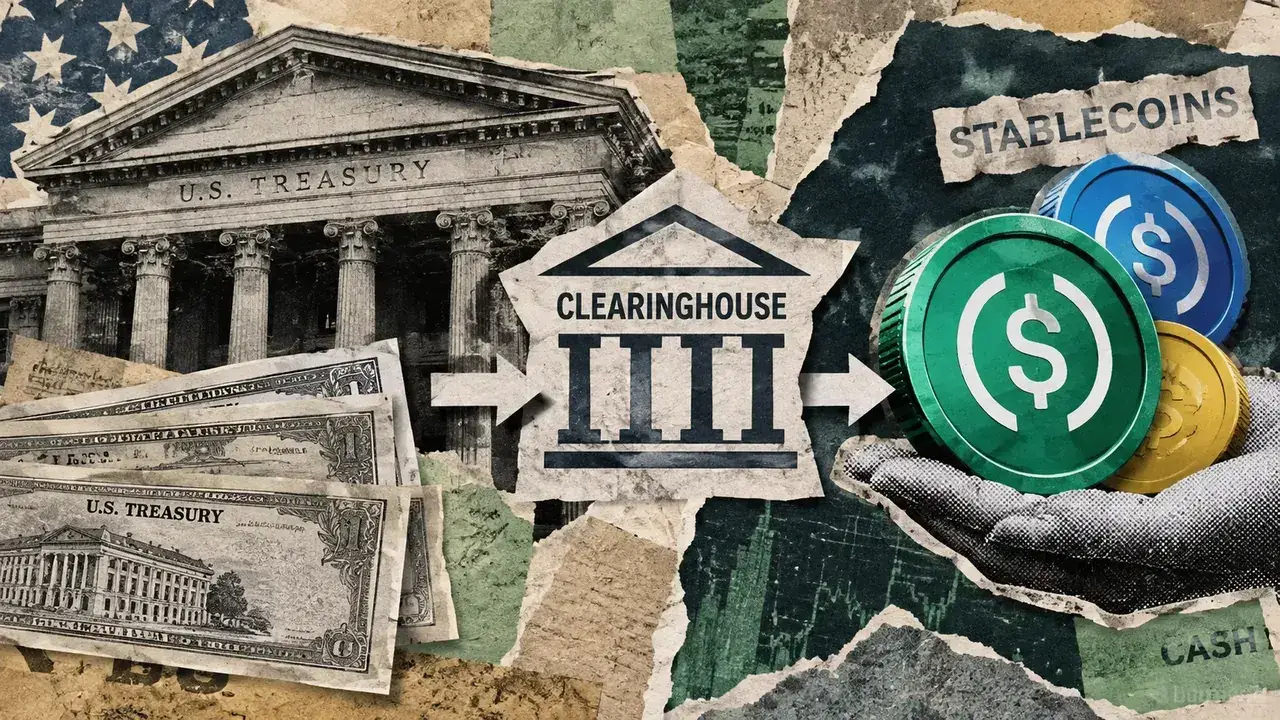
New Treasury rules could change how stablecoin issuers get your dollars back
US government debt is one of the easiest assets in the world to borrow against, which lets financial companies get cash without gi...

Who Is Jay Clayton? From XRP Lawsuit to Trump’s New AI Czar
Clayton will lead the newly created “Super Intelligence Force,” a White House task force tasked with examining the risks and oppor...
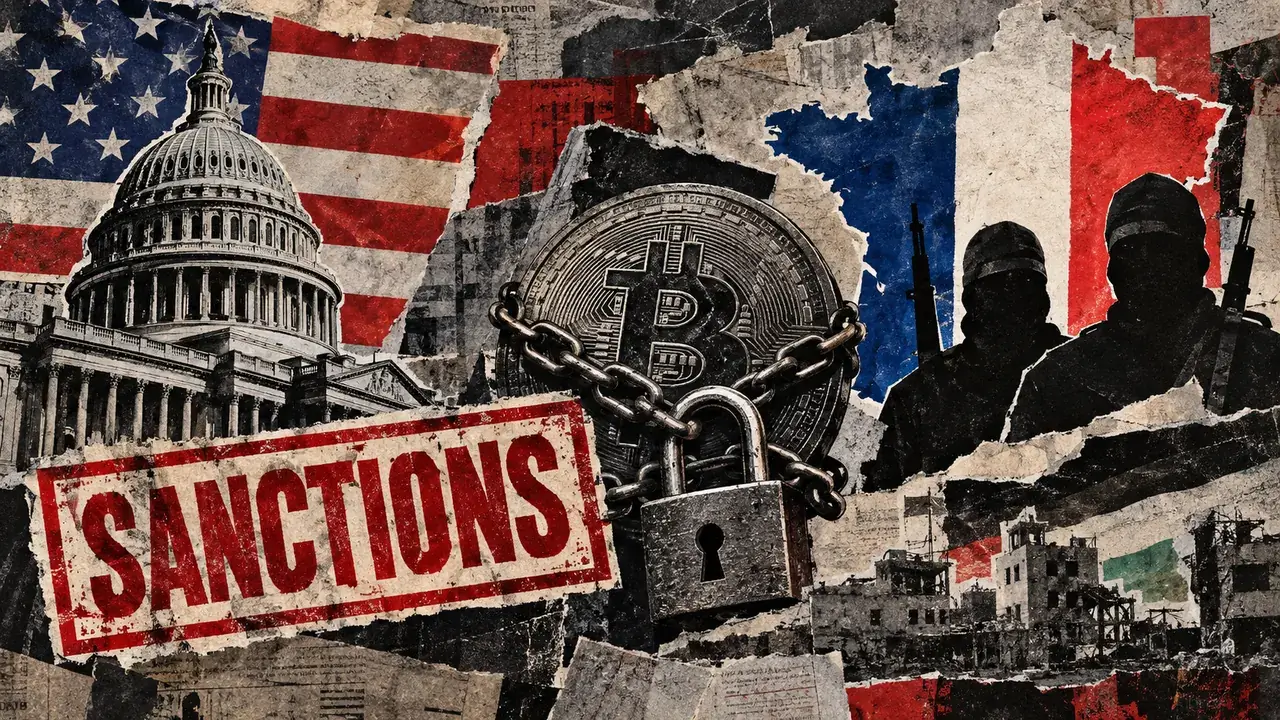
US expands Hamas sanctions after tracing crypto transfers from France
The US sanctioned two French charities and three individuals after alleging they helped channel cryptocurrency and other funds to...

S&P Global Targets $10B Blockchain Lending Market With New Risk Tool
S&P Global Ratings launched its Vault Risk Assessment (VRA), offering a forward-looking assessment of six risks that could impair...