Crypto Trading, Investing Illegal in Iran, Central Bank Governor Reiterates
It is illegal to buy or sell cryptocurrency in Iran, the head of the country’s monetary authority has recently reminded citizens and businesses. The governor noted, however, that mining cryptocurrencies and using them in...
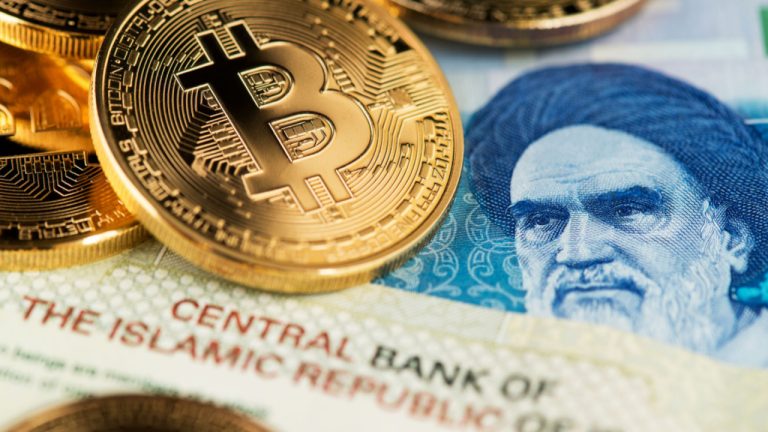
It is illegal to buy or sell cryptocurrency in Iran, the head of the country’s monetary authority has recently reminded citizens and businesses. The governor noted, however, that mining cryptocurrencies and using them in payments for imports is not against the law in the Islamic Republic.
Top Banker Confirms Crypto Trading Still Illegal in Iran
The purchase and sale of cryptocurrencies or using the digital assets for investment purposes is prohibited, the governor of the Central Bank of Iran (CBI), Ali Salehabadi, has recently told local media. At the same time, authorized persons and entities can legally mine crypto that can be employed for international settlements, the official pointed out.
Referring to regulations adopted by the bank and other government institutions such as the Ministry of Industry, Mine and Trade two years ago, the CBI chief elaborated that it is legal for Iranian companies to pay for imports with cryptocurrency. He was quoted in a report by the English-language edition of the Iranian Labour News Agency (ILNA) on Friday.
Salehabadi’s comments came after on Tuesday, Deputy Minister of Trade Alireza Peymanpak announced Iran’s first import order using cryptocurrency as a payment method. The government representative, who also leads the nation’s Trade Promotion Organization, revealed that the Islamic Republic bought $10 million worth of goods using digital coins.
However, Iranian authorities are not willing to allow crypto payments inside Iran and earlier this year, Deputy Minister of Communications Reza Bagheri Asl dashed any hopes for that. Crypto trading and investing are not tolerated either, and the government cracked down on local exchanges, allowing only banks and licensed moneychangers to use digital currency mined in Iran to pay for imports.
Since 2019, when the authorities in Tehran recognized mining as a legitimate industrial activity, a number of enterprises have been licensed to mint digital currencies like bitcoin. But the energy-intensive production has been blamed as one of the causes for the growing electricity shortages and blackouts across the country, especially during the hot summers, when consumption spikes due to rising demand for cooling, and the cold winter months, when heating needs increase.
As a result, registered crypto farms were told to shut down their power-hungry equipment on more than one occasion in the past two years, while the Iran Power Generation, Transmission and Distribution Company, Tavanir, went after illegal miners busting thousands of underground crypto farms.
The illegal facilities are often running on subsidized electricity in residential areas. Last month, the utility vowed severe measures against this kind of unauthorized mining. ILNA quotes an estimate by Iranian officials who claim that a single bitcoin mining machine consumes as much energy as 24 households.
In his interview, Governor Salehabadi also turned viewers’ attention to the CBI’s plan to introduce a ‘crypto rial,’ or a central bank digital currency issued by the Iranian monetary authority which is expected to partially replace paper cash. In April, the central bank informed financial institutions about upcoming regulations pertaining to the issuance of a digital rial, indicating it’s preparing to pilot the CBDC.
Do you think Iran may change its stance on crypto trading, investing, and payments in the future? Share your expectations in the comments section below.
Original source
Read on Bitcoin NewsRelated market context

The future of vaults: neobanks and invisible DeFi
The following is a guest post and opinion from Vincent Maliepaard, VP of Marketing at Sentora. On January 26, 2026, Kraken launche...

Iran to open Strait of Hormuz under new agreement, with crypto toll payments in the mix
Iran's crypto tolls for the Strait of Hormuz could escalate regulatory scrutiny on stablecoins, impacting global energy prices and...
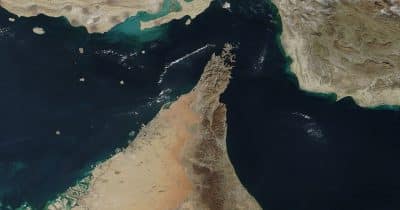
US forces shoot down Iranian attack drones near Strait of Hormuz, Bitcoin drops below $73K
Geopolitical tensions near vital oil routes can destabilize financial markets, highlighting the interconnectedness of global secur...

US forces shoot down multiple Iranian drones heading to Strait of Hormuz, rattling oil and crypto markets
Escalating US-Iran tensions could destabilize global markets, impacting oil prices and crypto investments, while potentially incre...

SEC targets 20-year-old rule standing between Wall Street and blockchain trading
The Securities and Exchange Commission (SEC) is moving to dismantle a stock-trading rule that has governed Wall Street for two dec...
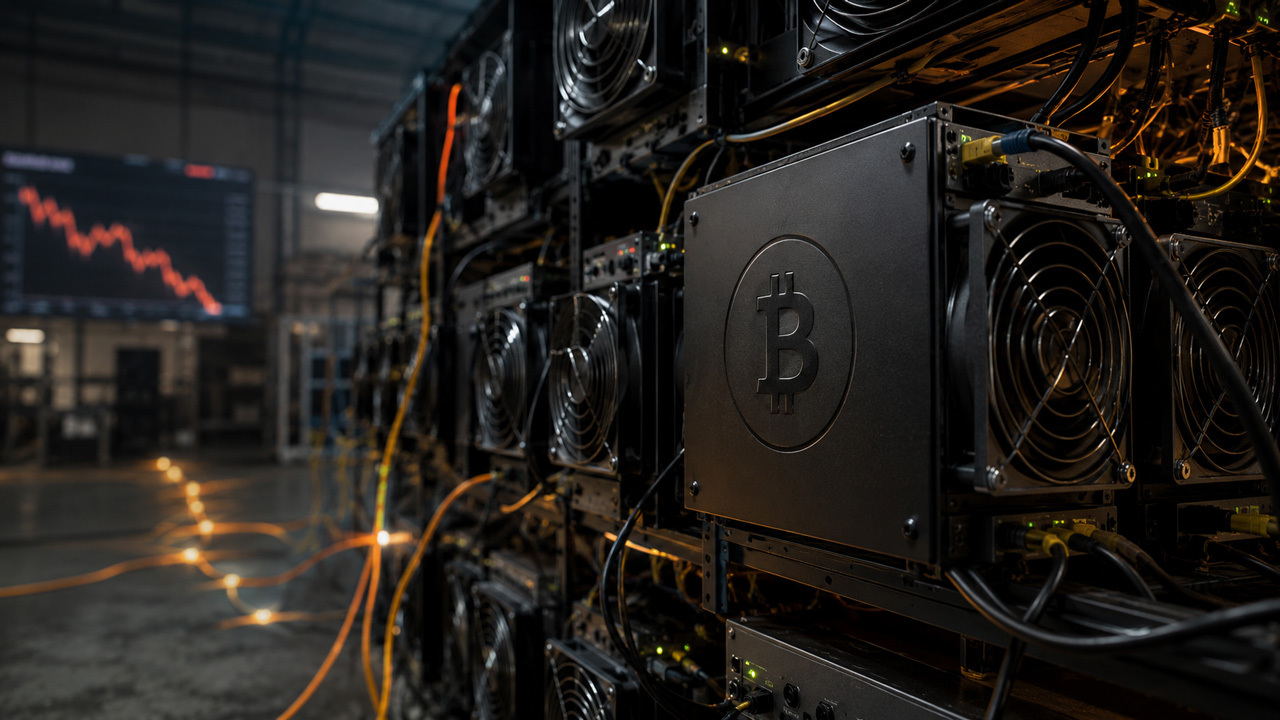
Bitcoin faces one of its biggest mining difficulty drops as miner margins collapse
The Bitcoin network is poised to execute one of the largest downward adjustments to its mining difficulty in its 17-year history t...