Cryptocurrencies Affect Central Bank Tasks, Dutch Monetary Authority Says, Urges Global Regulation
Convinced that cryptocurrencies are affecting the tasks performed by monetary authorities around the world, the Dutch central bank has urged for comprehensive international regulations. The call comes after research into...
Archive context
Older archive item. Useful for background and entity history, but not a fresh market-moving signal.
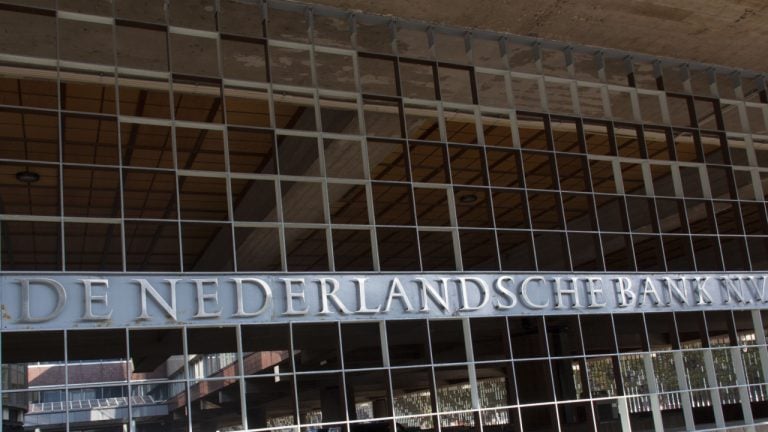
Convinced that cryptocurrencies are affecting the tasks performed by monetary authorities around the world, the Dutch central bank has urged for comprehensive international regulations. The call comes after research into the development of crypto assets and policy responses.
‘Proper Regulation Indispensable for Risky Cryptos,’ Dutch Central Bank InsistsBitcoin, tether, and other digital coins are affecting many of the tasks and objectives of central banks and supervisory authorities, according to Steven Maijoor and Olaf Sleijpen, members of the Executive Board of De Nederlandsche Bank (DNB). The two presented a new study, “Crypto-assets: evolution and policy response,” into the rapid development of cryptocurrencies.
“While the crypto markets have become somewhat less hyped over the past six months due to global interest rate hikes, investment fraud and cybercrime, cryptos are here to stay, and international financial authorities simply cannot afford to look the other way,” the Dutch central bank said in a post titled “Proper regulation indispensable for risky cryptos.”
The DNB is emphasizing the importance of swiftly agreeing on international rules for cryptocurrencies. The bank believes that effective regulation would help to leverage their innovative added value, in terms of potential for storing and transferring value without a central party, while avoiding stifling innovation due to the risks associated with their speculative nature.
Unbacked Coins Not Suitable as Money, DNB Thinks Stablecoins Are BetterThe authors of the research conclude that “clearly, unbacked cryptos like bitcoin are not suitable for use as money” as their prices are too volatile to allow them to function as a means of payment, store of value and unit of account. Besides the lack of underlying assets, they also highlight the great number of digital coins which, as they say, can be confusing when it comes to pricing.
Stablecoins, on the other hand, should prevent such volatility as they are backed by euros, U.S. dollars, or other assets, adding to the benefits of decentralized transaction settlement, the DNB elaborates. These crypto assets can contribute to cheaper cross-border payments, for example, but without appropriate regulation their widespread use could also pose risks to financial stability.
New EU regulations, such as the Markets in Crypto-Assets Regulation (MiCA) package, differentiate between backed and unbacked cryptocurrencies and introduce requirements for issuers and market participants, the Dutch central bank points out. However, “laws, regulations and supervision will never mitigate all risks, if only because of the international nature of cryptos,” De Nederlandsche Bank notes and vows to contribute to international standards in that area.
What do you think about the De Nederlandsche Bank’s conclusions regarding cryptocurrencies and stablecoins? Let us know in the comments section below.
Why this matters
This cryptocurrency story adds another data point to the current market tape and is useful when read alongside nearby source coverage.
Original source
Read on Bitcoin NewsRelated market context

China Sets 2030 Deadline for National Blockchain Network Despite Sweeping Crypto Ban
Key Takeaways: Under the new 5-year digital strategy, China aims to achieve a national blockchain network which will be largely co...

Kraken wants to be your bank, but who will protect your money?
Kraken's parent company wants a place in your finances long before you buy Bitcoin and long after you sell it. On Oct. 14, Payward...

Ripple Study Finds Banks Could Unlock $100M Beyond Crypto Custody
Digital asset services and custody choices could improve a regional bank’s financial results by up to $100 million, according to r...
Bloomberg Adds Basel Crypto Exposure Classification For Banks And Asset Managers
TL;DR: Bloomberg has expanded its crypto analytics to classify bank exposure under Basel standards, including indirect holdings hi...

Ripple Partners With CryptEscrow to Simplify Crypto-Funded U.S. Real Estate Deals
Key Takeaways: Ripple and CryptEscrow to launch regulated foundations for crypto real estate transactions. Sellers and title compa...

UK banks face 10,000 complaints in 3 months over crypto restrictions
The U.K. claims to aspire to become a global cryptocurrency hub, an ambition that would appear to be at odds with the attitude to...