Dutch Court Orders Binance to Disclose User Identity in €186,000 Fraud Case
A Dutch court ordered Binance to disclose the identity of an account holder linked to a €186,000 scam. The ruling comes after a woman fell victim to a sophisticated dating app scheme, losing a significant amount of money...
Archive context
Older archive item. Useful for background and entity history, but not a fresh market-moving signal.

A Dutch court ordered Binance to disclose the identity of an account holder linked to a €186,000 scam. The ruling comes after a woman fell victim to a sophisticated dating app scheme, losing a significant amount of money through fraudulent cryptocurrency investments, local media outlet CuracaoChronicle reported.
The victim, reportedly enticed by a person she met through a dating app, was persuaded to invest in cryptocurrencies. Over the summer, she transferred a total of €186,000 across six transactions, believing she was dealing with a legitimate platform.
Dating Scam Unfolded
By the time she realized she had been duped, the damage was already done. The scam, known as "pig butchering," involves building trust with victims before abruptly stealing their funds. After realizing the scam, the woman filed a police report in August, citing investment fraud. She enlisted Dutch digital forensics firm DataExpert, which traced part of the stolen funds to an account on Binance.
Acting on this information, the victim requested Binance to freeze the account and disclose the user’s identity. Binance complied with the account suspension but declined to share personal details without a court order.
The court in The Hague has now ruled in the woman's favor, recognizing the severity of her financial loss. It ordered Binance to provide the account holder's full name and address within 14 days and to offer a complete asset statement.
Legal Obligations
The court acknowledged that the victim had no other way to identify the person behind the scam, and her need to seek justice outweighed the account holder's privacy concerns. Binance argued it could not share personal data without judicial oversight, stating its role as a neutral party.
Recently, the US Securities and Exchange Commission targeted financial fraud and social media scams. In September, the commission charged five entities and three individuals linked to investment scams involving fake crypto asset trading platforms.
Similarly, the Commodity Futures Trading Commission collaborated with various organizations to raise awareness of "pig butchering." The practice involves building trust with victims before abruptly stealing their funds. The CFTC partnered with various organizations, including the American Bankers Association Foundation, federal agencies, and private regulators in the initiative.
This article was written by Jared Kirui at www.financemagnates.com.Why this matters
This cryptocurrency story adds another data point to the current market tape and is useful when read alongside nearby source coverage.
Original source
Read on Finance MagnatesRelated market context
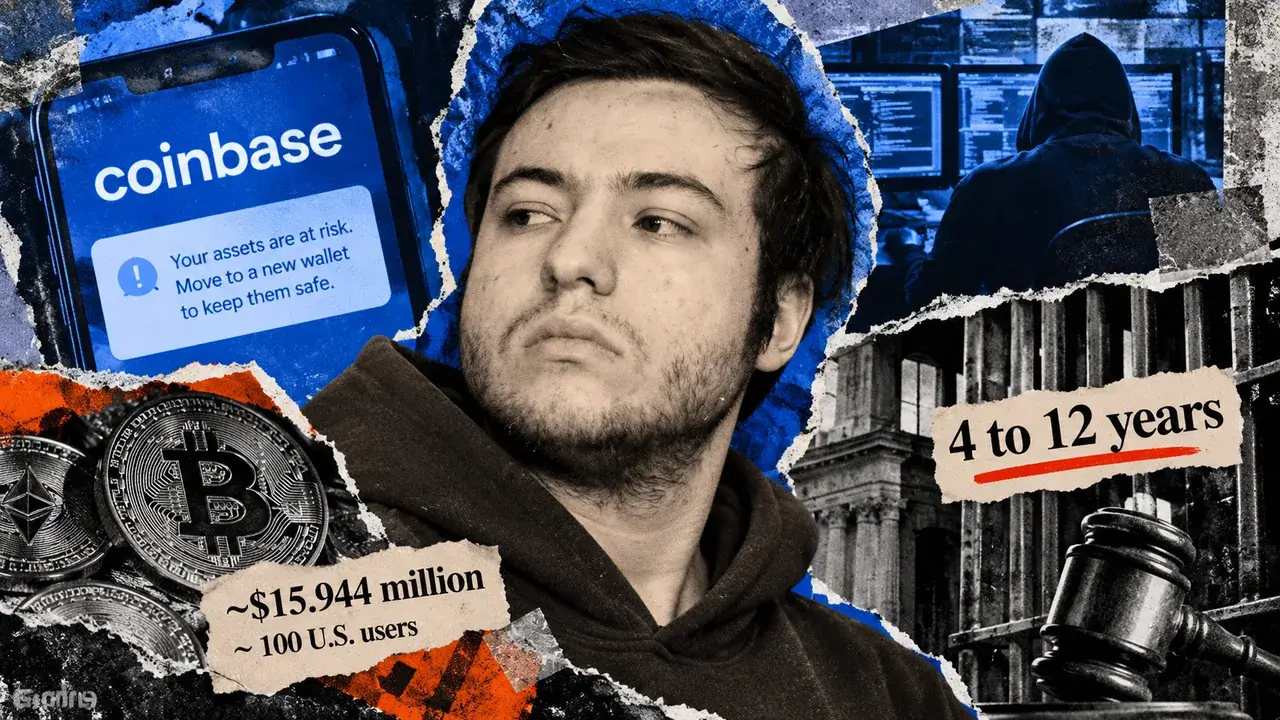
Man sentenced to 12 years for $16M Coinbase customer support scam
A Brooklyn man was sentenced to as much as 12 years in prison for stealing nearly $16 million from Coinbase users. On Sept. 23, Ro...

Brooklyn Man Sentenced to 12 Years for $16M Coinbase Phishing Scam
Bitcoin Magazine Brooklyn Man Sentenced to 12 Years for $16M Coinbase Phishing Scam A scammer who went by the online name “lolimfe...
Bitcoin ATM Scam Takes $4,900 After Fake Jury Duty Threat
A Georgia woman deposited $4,900 into a Bitcoin ATM after being told she had missed jury duty and needed to pay to avoid arrest. H...

Binance Bitcoin Outflows Hit 13,800 BTC in 3-Year Record as FOMO Returns
Key Takeaways: More than 13,800 BTC was out, a record amount of money in a single day for Binance since 2023. Binance’s Bitcoin re...

Ethena Starts Backing USDe With Tokenized Stocks on Binance, Its First Equity Basis Venue
Ethena Labs will start backing its USDe synthetic dollar with tokenized U.S. stocks, naming Binance as the first venue for extendi...

Binance-Owned Coinmarketcap Buys Coinglass as Data Debate Grows
Coinmarketcap has acquired crypto derivatives analytics platform Coinglass for an undisclosed sum, adding open interest, funding r...