Economist Peter Schiff Expects Worse Financial Crisis Than 2008 — Says ‘Future Rate Hikes Are Now Pointless’
Economist Peter Schiff has warned that the current financial crisis will be worse than in 2008. “Future rate hikes are now pointless,” he stressed, adding that any effect will be more than offset by the Fed’s quantitativ...
Archive context
Older archive item. Useful for background and entity history, but not a fresh market-moving signal.
Economist Peter Schiff has warned that the current financial crisis will be worse than in 2008. “Future rate hikes are now pointless,” he stressed, adding that any effect will be more than offset by the Fed’s quantitative easing.
Peter Schiff’s Financial Crisis WarningEconomist and gold bug Peter Schiff shared his outlook for the U.S. economy in a series of tweets this week. He explained that when the government “imposed lots of new banking regulations after the 2008 financial crisis, we were assured that what is happening right now would never happen again.” However, he argued:
One reason we had the 2008 financial crisis was too much government regulation. That’s why this crisis will be worse.
“This time it’s different. When the 2008 financial crisis started, the dollar rose and gold fell. This time it’s the reverse … That’s because investors are realizing the high inflation that should’ve hit ten years ago will hit even harder now!” the economist opined.
“The Fed caused the financial crisis of 2008 and 2023,” Schiff asserted, claiming that he forecasted both because he “understood the consequences of the Fed’s policy mistakes.” He added that he “started predicting the current financial crisis back in 2009,” but at the time, he did not know “how long it would take for it to hit.”
Schiff further explained that the Fed’s quantitative easing (QE) is back. “Last week, the Fed’s balance sheet swelled by $300 billion, wiping out 4 months of QT [quantitative tightening] in one week. By the end of the month, the balance sheet could reach a new high. Rate hikes don’t matter. Inflation is headed much higher, thanks to bank bailouts,” he detailed. His comment followed the Federal Reserve and the U.S. government unveiling measures to bail out failed Silicon Valley Bank and Signature Bank last Sunday.
The economist continued:
The Fed was fighting a two-pronged war against inflation, rate hikes and QT. The Fed has now reversed fire, and is doing aggressive QE. If QT was designed to lower inflation, QE will raise it. Future rate hikes are now pointless, as any effect will be more than offset by QE.
“As I warned for years the only way the Fed can come close to achieving its 2% inflation target is to allow a worse financial crisis than 2008 to run its natural course, with no bailouts for banks or their customers,” he conveyed. Referencing recent bailouts of major banks, he concluded: “The Fed chose bailouts and surrendered the inflation fight.”
Do you agree with Peter Schiff? Let us know in the comments section below.
Why this matters
This cryptocurrency story adds another data point to the current market tape and is useful when read alongside nearby source coverage.
Original source
Read on Bitcoin NewsRelated market context
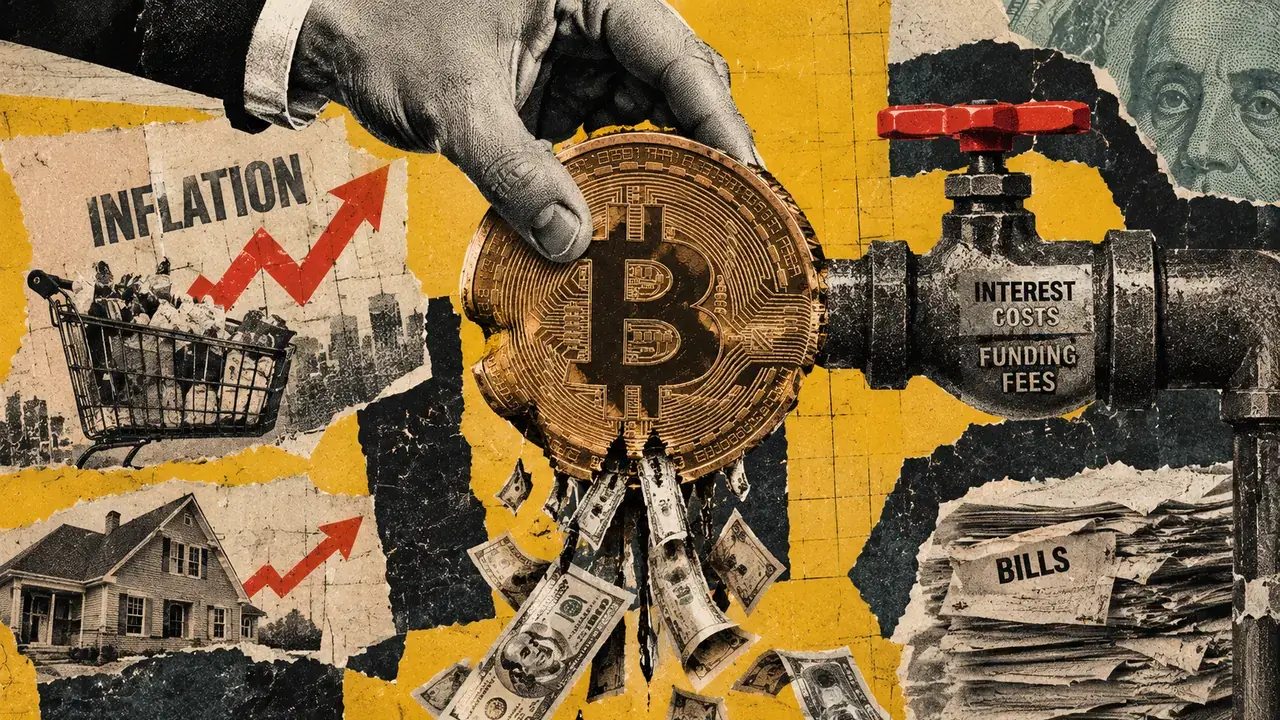
Bitcoin’s inflation hedge has a hidden cost, and leverage makes it worse
Borrowing costs, missed interest income, and futures fees can all eat into returns even when Bitcoin holds its value. That's a big...
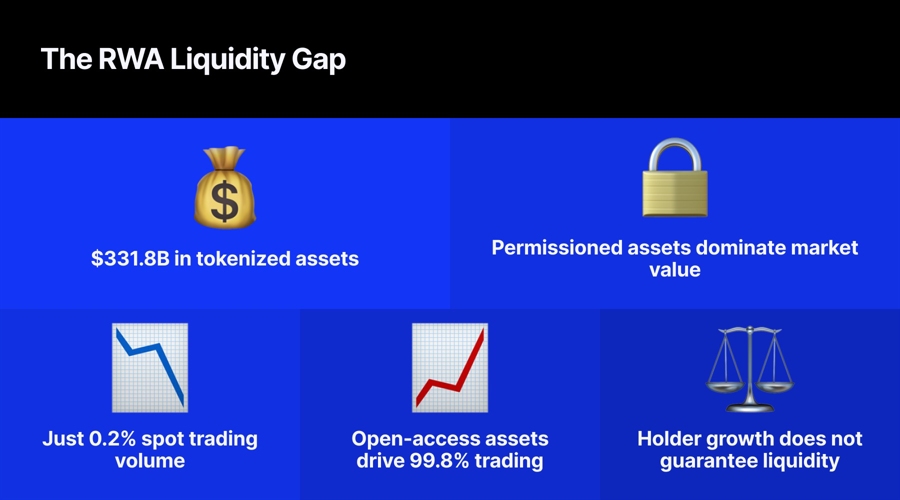
More Holders, Little Trading: The RWA Liquidity Problem Is Worse Than You Think
Let me ask you something straight. Does real-world asset trading on crypto exchanges feel like a genuine revolution, or does it fe...

BitTorrent Ushers in Next-Gen Web3 Infrastructure with Strategic Rebrand and Inaugural BTT Burn
The first round of BTT repurchased with decentralized service revenue has been completely burned, as BitTorrent leverages its reim...

Bitcoin Futures Open Interest Slips To $7.68 Billion As Traders Keep Funding Positive
TL;DR: A Saturday derivatives snapshot showed Bitcoin open interest at $7.68 billion, down 0.69% in 24 hours. Funding remained pos...

Binance bStocks Hits $1 Billion As Tokenized Stock Trading Accelerates
TL;DR: Binance says its bStocks tokenized-equity offering has surpassed $1 billion in assets under management, four months after l...

Strategy Declares Daily STRC Dividends As Saylor Targets $100 Share Price
TL;DR: Strategy has conditionally declared daily STRC preferred-stock dividends for November 2026. The new cadence remains subject...