Ethiopian Central Bank Restricts Amount of Cash Travelers Can Hold, Sets Foreign Currency Conditions
According to the National Bank of Ethiopia’s directive, which became effective on September 5, persons entering and departing the country in possession of local currency are now subject to new restrictions. Individuals m...
Archive context
Older archive item. Useful for background and entity history, but not a fresh market-moving signal.

According to the National Bank of Ethiopia’s directive, which became effective on September 5, persons entering and departing the country in possession of local currency are now subject to new restrictions. Individuals may not hold local currency whose value exceeds $57.00 or 3,000 birr. The directive also sets conditions and circumstances under which Ethiopian residents and non-residents may possess and use foreign currency.
Converting All Foreign Currency at Authorized Forex BureausThe Ethiopian central bank recently issued a directive which sets a limit on the amount of the birr that “a person entering into and departing from Ethiopia” may have in their possession. In addition, the directive, which became effective on September 5, sets conditions and circumstances under which Ethiopian residents and non-residents may possess and use foreign currency.
In a statement, the National Bank of Ethiopia (NBE) outlines the exact value of both the birr and foreign currency that residents may hold.
“According to the directive, a person entering into and departing from Ethiopia may hold up to [a] maximum of [$57.00] or birr 3,000.00 (birr three thousand) per travel to and from Ethiopia. However, a person travelling to Djibouti may hold up to a maximum amount of [$190.00] birr 10,000 (birr ten thousand) per travel,” the NBE said.
For Ethiopians re-entering the territory of the landlocked African country, the central bank said they are required to “convert all foreign currency he/she is carrying at an authorized forex bureau for the equivalent sum in birr.” Alternatively, they can deposit the forex into a foreign currency account within 30 days of returning to the country, the central bank added. For residents holding $4,000 or more, the NBE directed that such individuals should make a customs declaration.
Declaring Foreign Currency HoldingsConcerning the use of foreign currency when traveling abroad, the central bank explained:
The directive states that a person residing in Ethiopia is allowed to travel abroad by carrying a foreign currency if he/she presents a bank advice issued for the purchase of the foreign currency within thirty (30) days from the bank advice.
On the other hand, when a non-resident foreign national of Ethiopian origin or a non-resident Ethiopian who owns foreign currency gets into the country, the central bank’s directive requires them to “present custom declaration” if the value of foreign currency held exceeds $10,000.
However, for foreign currency-holding individuals that enter Ethiopia using land transport, the NBE requires them to make a declaration of such holdings if the value is more than or equivalent to $500.
Register your email here to get a weekly update on African news sent to your inbox:
What are your thoughts concerning the National Bank of Ethiopia’s currency holding restrictions? Let us know what you think in the comments section below.
Why this matters
This cryptocurrency story adds another data point to the current market tape and is useful when read alongside nearby source coverage.
Original source
Read on Bitcoin NewsRelated market context

Netanyahu Floats Blockchain as a Sanctions Workaround; Israel’s Central Bank Objects
Israeli Prime Minister Benjamin Netanyahu said in a Channel 10 interview on Friday, Oct. 23, that Israel has to get ready for poss...
SEC’s Crypto Custody Proposal Could Change How Funds Hold Digital Assets
TL;DR: The SEC has proposed a tailored crypto custody framework for advisers and regulated funds, but the changes are not yet fina...

Kraken wins Fintech Company of the Year – Established at the National Fintech Awards 2026
TL;DR Kraken was named Fintech Company of the Year – Established at the Business Post’s National Fintech Awards 2026 in Dublin. Th...
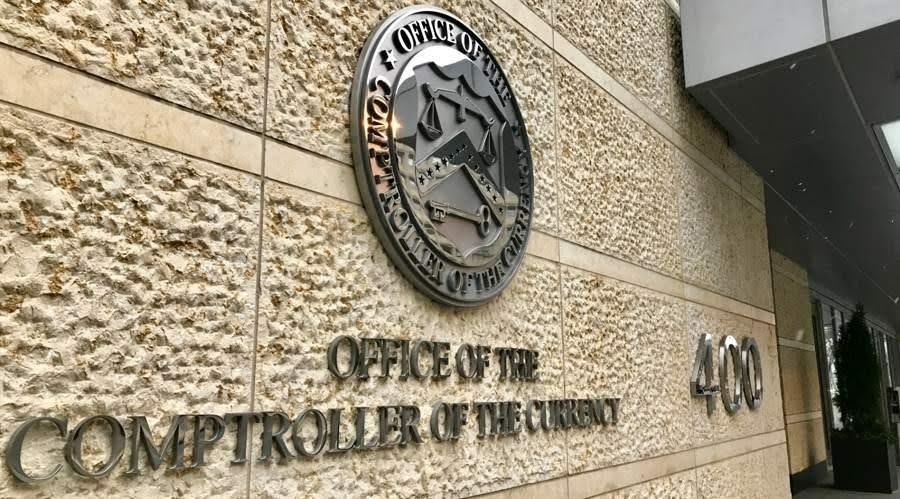
Ripple Wins Final OCC Trust Bank Approval, Putting $2.5B RLUSD Under Federal Oversight
Key Takeaways: Ripple received final OCC authorization for its national trust bank. The bank will back up both reserves (RLUSD) an...

Bitcoin short-term holder profit drops to 70%, which Glassnode says may favor buyers
The drop in short-term holder profits may signal a healthier market entry point, potentially stabilizing Bitcoin's trading environ...

Ripple National Trust Bank receives final OCC approval for crypto custody
Ripple's OCC approval enhances regulatory confidence in stablecoins, intensifying competition in crypto custody and fiduciary serv...